
Flat Roof Replacement: Signs Your System Is At End-Of-Life
Wondering if your “flat” roof is quietly failing—and whether you should keep repairing it or finally invest in a full flat roof replacement? This article explains how flat roofs really work, the specific warning signs your system is at end-of-life, how to decide between repair and replacement, and how a local specialist can help you protect your building, budget, and tenants for the long term.
What Is Flat Roof Replacement? (And Why It Matters More Than You Think)
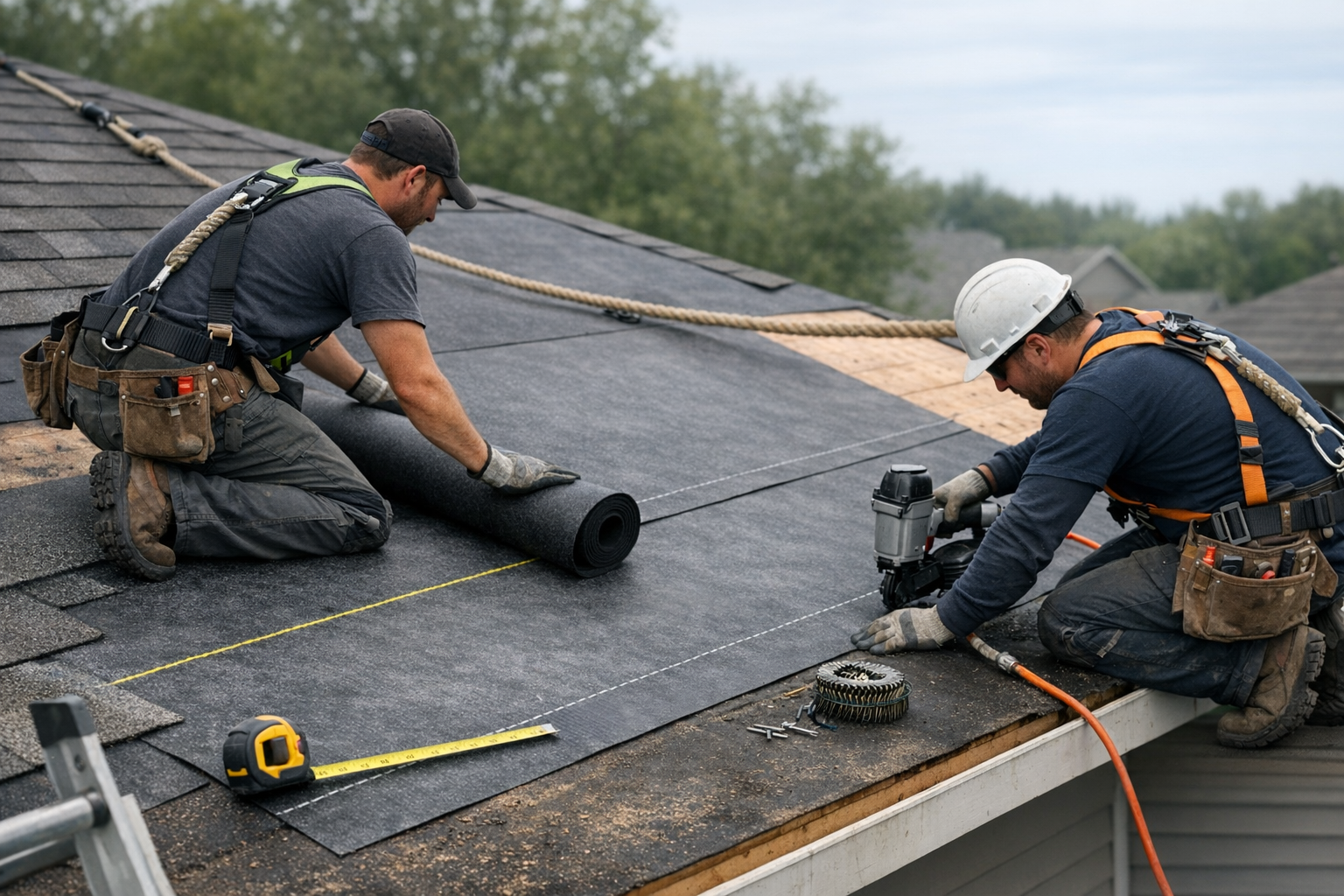
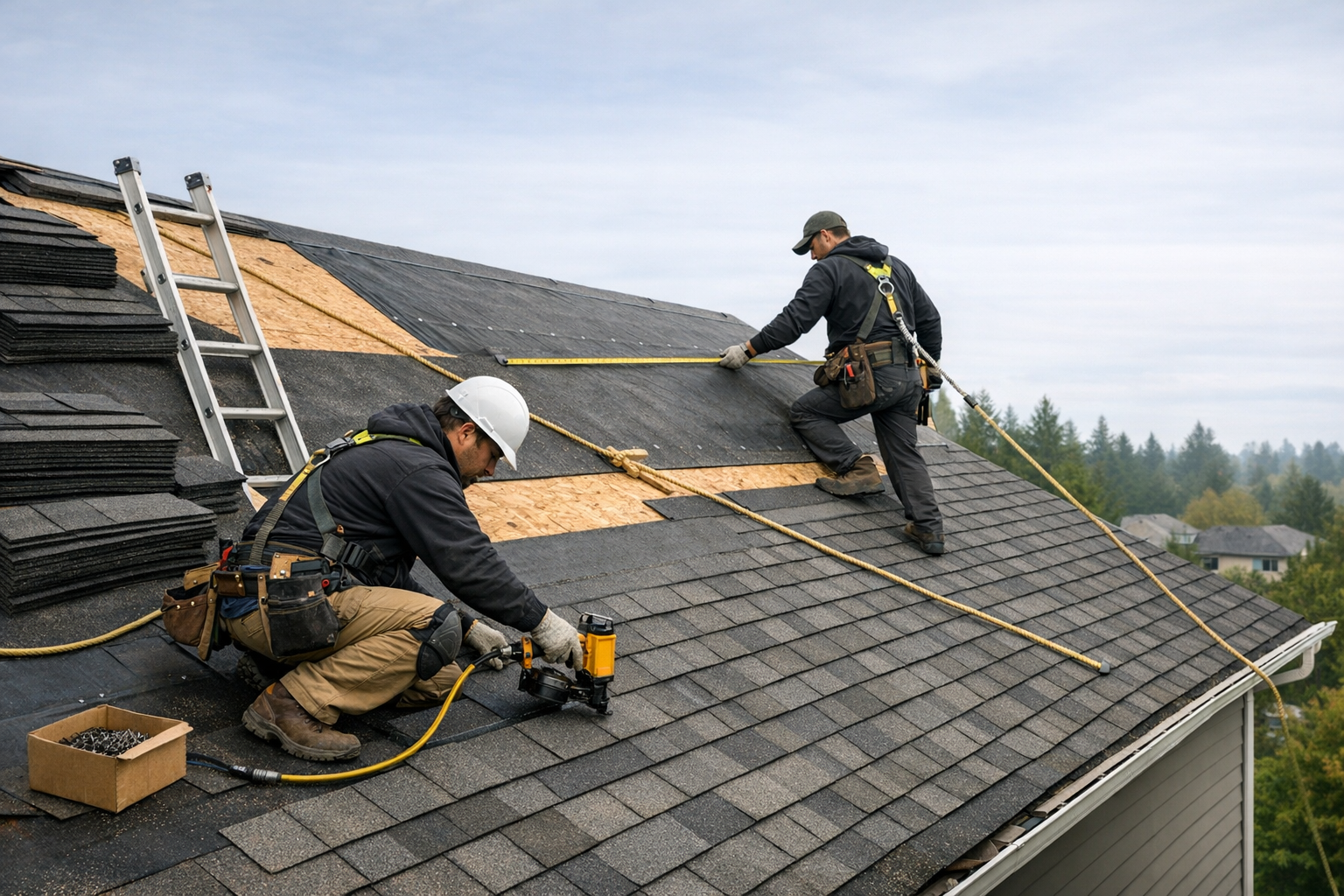
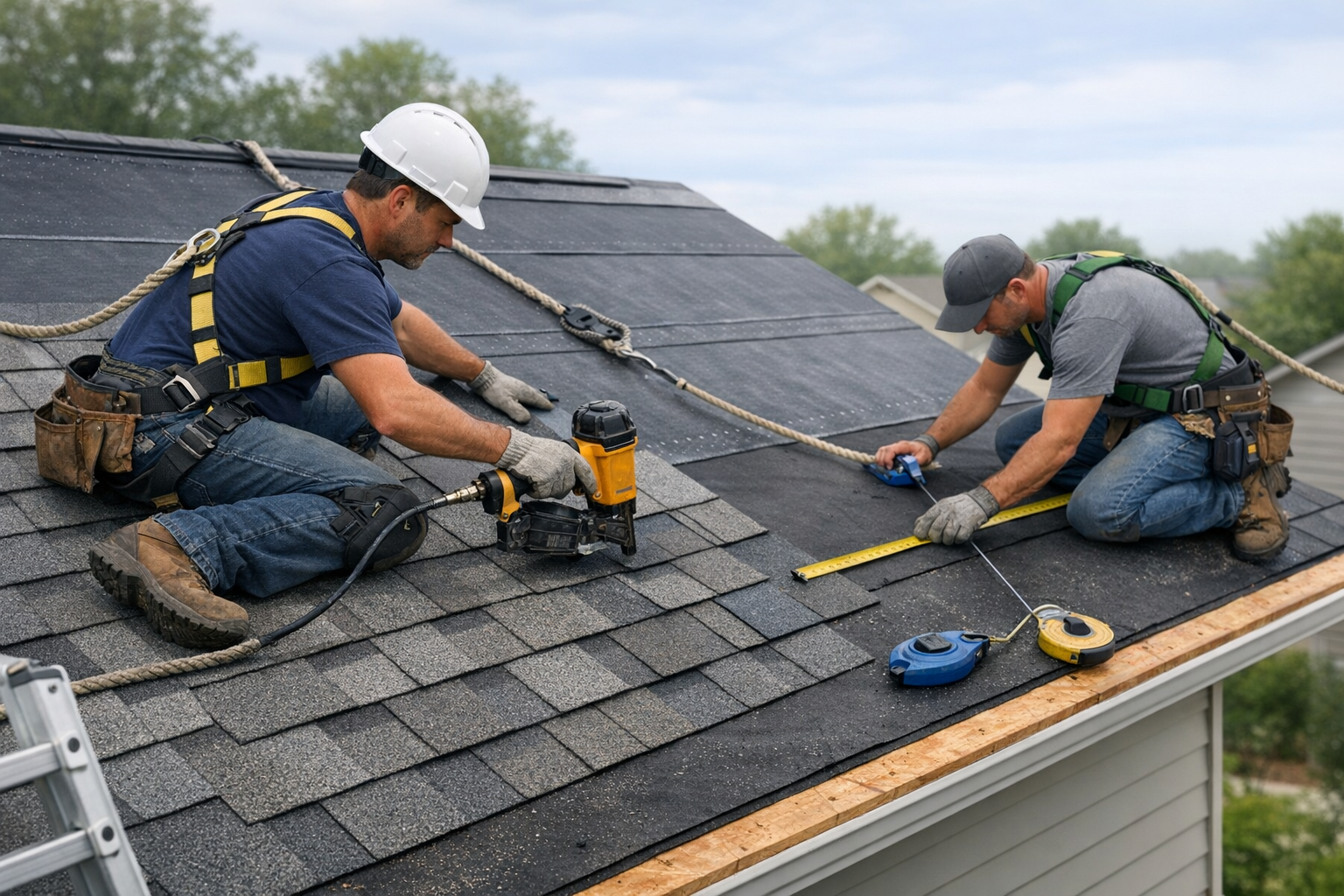
When I talk about flat roof replacement, I am referring to the complete removal and installation of a new roofing system on a low-slope or flat structure. It is not a patch, not a temporary fix, and not a quick coating. It is a full system reset designed to restore waterproofing, insulation performance, and structural protection.
In simple terms, flat roof replacement means removing failing materials down to a stable deck, correcting underlying issues, and installing a new membrane system built to current codes and performance standards. For commercial buildings, multifamily properties, and some residential structures, this decision directly impacts safety, operating costs, and property value.
What counts as a “flat roof” vs. low-slope roof?
Most people say “flat roof,” but technically, almost all of these systems have some slope. A true flat roof would not drain at all. In practice, a flat roof usually has a slope of less than 2 inches of rise per 12 inches of run. Anything under that 2:12 pitch is considered low-slope roofing.
This distinction matters because low-slope roofs rely on membranes, not shingles, for waterproofing. Materials like EPDM, TPO, PVC, modified bitumen, and built-up roofing are specifically designed to handle slow drainage and standing water better than steep-slope systems.
When I evaluate a property for flat roof replacement, I look closely at drainage design. Even a small slope error can lead to ponding water, which accelerates failure. Understanding whether your building has true flat or low-slope roofing helps determine which replacement system will perform best long term.
How long do common flat roofing systems typically last?
One of the most common questions I hear is, “How long should my flat roof last?” The honest answer depends on material, installation quality, climate, and maintenance.
Here is a general lifespan range under normal conditions:
- EPDM: 20 to 30 years
- TPO: 15 to 25 years
- PVC: 20 to 30 years
- Modified bitumen: 15 to 25 years
- Built-up roofing: 20 to 30 years
In hot, humid regions like Louisiana and the Gulf South, UV exposure, storms, and heavy rainfall can shorten these timelines. Poor drainage or neglected maintenance can cut lifespan even further.
If your roof is approaching the upper end of its expected life, flat roof replacement becomes less of a reactive decision and more of a strategic one.
Repair vs. flat roof replacement: what’s the real difference?
Repairs focus on isolated problems. Replacement addresses system-wide failure.
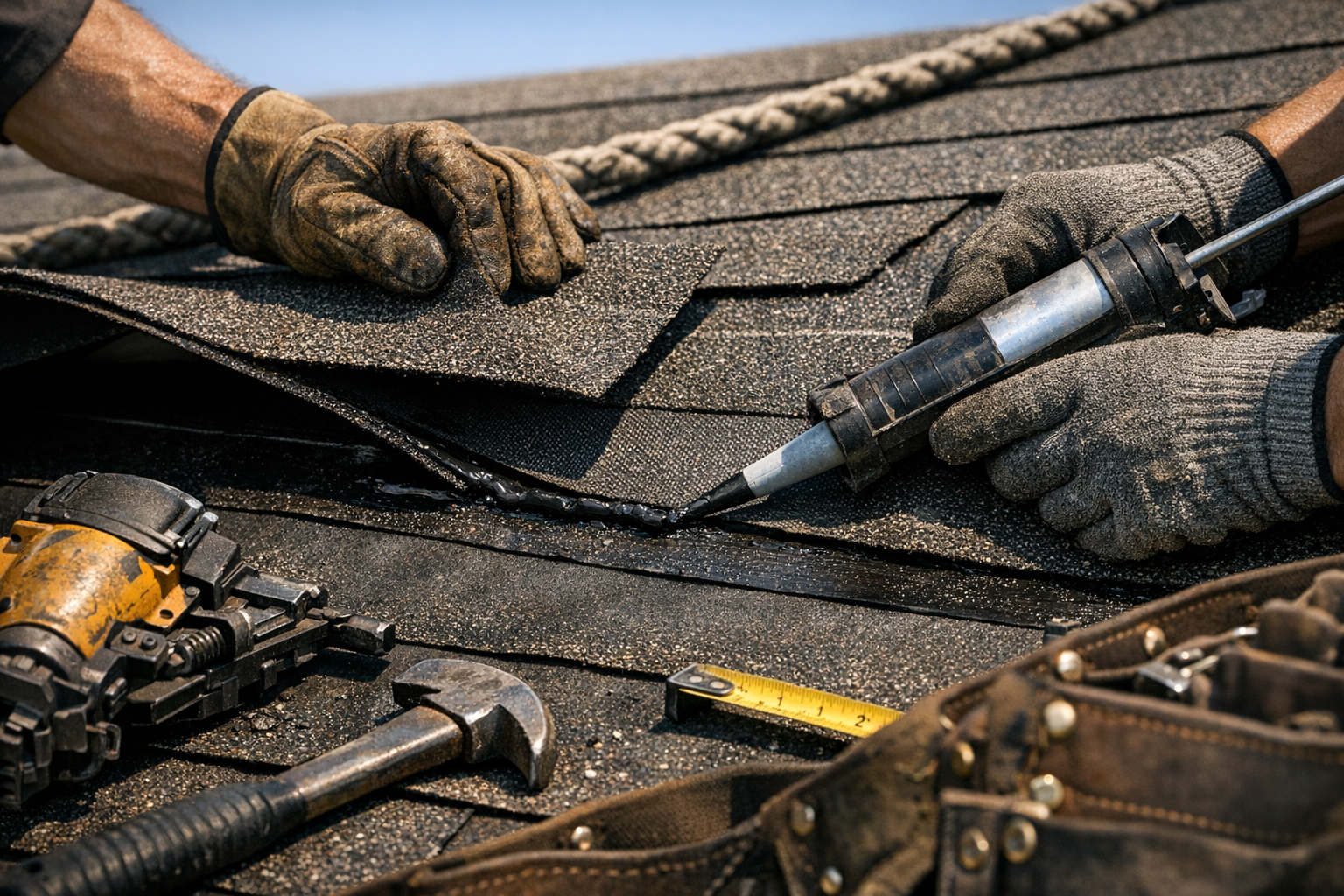
A repair might involve sealing a seam, patching a puncture, or reinforcing flashing around a vent. Flat roof replacement, on the other hand, involves removing aging membranes, inspecting insulation and decking, and installing a new system designed for current building demands.
If leaks are localized and the rest of the roof is in good shape, repair can make financial sense. But if you are chasing leaks across different areas every year, that usually signals systemic breakdown.
I often tell property owners this: if more than 25 to 30 percent of your roof has issues, you are likely past the point where patchwork makes sense.
Why timing your replacement correctly protects your building and budget
Waiting too long can turn a roofing issue into a structural problem. Water intrusion does not just damage membrane layers. It can rot wood decking, rust steel components, saturate insulation, and create mold inside wall cavities.
A proactive flat roof replacement often costs less than a delayed one because it limits secondary damage. It also allows you to plan around weather, tenant occupancy, and budgeting cycles instead of responding to an emergency leak.
In my experience, the right timing is when performance begins to decline consistently, not when failure becomes catastrophic.
How Flat Roofs Fail Over Time: The Hidden Enemies
Flat roofs rarely fail overnight. They deteriorate gradually under constant environmental and structural stress.
Understanding these hidden enemies helps you recognize why flat roof replacement becomes necessary even when the surface damage looks minor.
Sun, heat, and UV exposure in Louisiana and the Gulf South
In hot climates, UV radiation is relentless. Over time, it breaks down roofing membranes at the molecular level. Materials lose flexibility, become brittle, and start to crack.
Heat cycling also plays a role. Roof surfaces expand during the day and contract at night. This repeated movement stresses seams and flashing points.
On a building in southern Louisiana, I often see accelerated membrane aging compared to milder regions. Discoloration, surface crazing, and brittleness are early warning signs that UV damage is advancing.
Standing water and poor drainage: how ponding accelerates failure
Flat roofs are designed to drain within 24 to 48 hours. When water remains longer than that, we call it ponding.
Ponding adds weight stress and speeds up membrane degradation. Over time, it can cause seams to separate and insulation to compress. If water infiltrates, it spreads laterally, damaging areas far from the original entry point.
Poorly designed tapered insulation or clogged drains are common culprits. When I assess the need for flat roof replacement, chronic ponding is one of the strongest indicators that the system design itself may need correction.
Structural movement, settling, and how it affects flat roofing systems
Buildings move. Foundations settle. Steel expands and contracts. Wood framing shifts with humidity.
Flat roofing systems must accommodate this movement. If they cannot, stress builds at penetrations, edges, and seams. Small splits form, which eventually become leaks.
I often see this around HVAC curbs or parapet walls. The membrane pulls or wrinkles as the structure shifts beneath it.
If structural movement has repeatedly compromised repairs, full flat roof replacement with upgraded detailing may be the only durable solution.
Poor installation or bad repairs that shorten roof lifespan
Not all failures are age-related. Some stem from shortcuts during installation.
Common issues include:
- Inadequate seam welding
- Improper flashing installation
- Insufficient fastening
- Mixing incompatible materials
Bad repairs can also create new problems. For example, layering incompatible patch materials can trap moisture or weaken adhesion.
If a roof has a history of inconsistent workmanship, replacement often provides a cleaner, more reliable long-term outcome than continuing to build over flawed work.
Flat Roof Replacement: Signs Your System Is At End-Of-Life
Recognizing end-of-life warning signs early allows you to plan rather than react.
Recurrent leaks and interior water stains that keep coming back
If leaks return after multiple repairs, that signals widespread membrane fatigue. Interior ceiling stains that reappear in different spots often indicate moisture migration beneath the surface.
When leaks become seasonal or frequent, flat roof replacement is usually more cost-effective than continued patching.
Chronic ponding water that doesn’t drain within 24–48 hours
Water that lingers beyond 48 hours stresses materials and increases failure risk. If ponding is widespread, the slope design itself may be inadequate.
Correcting this often requires tapered insulation and re-engineering drainage during flat roof replacement.
Cracks, blisters, and alligatoring across large roof areas
Blisters form when moisture or air gets trapped beneath the membrane. Alligatoring refers to widespread cracking that resembles reptile skin.
When these defects appear across large sections, they signal systemic aging rather than isolated damage.
Membrane tears, punctures, and seams that won’t stay sealed
Frequent seam separation suggests loss of flexibility or adhesive failure. Repeated patching in high-traffic zones often means the membrane has reached its durability limit.
Sagging areas, soft spots, or spongy decking underfoot
Soft spots usually indicate saturated insulation or deteriorated decking. This is more than a surface problem. It points to structural compromise.
In these cases, flat roof replacement allows us to remove damaged substrate and restore integrity.
Mold, musty odors, and visible moisture in ceilings or walls
Persistent moisture intrusion can create mold growth within insulation and wall cavities. Musty odors are often an early clue.
Beyond roofing, this becomes an indoor air quality concern that demands prompt action.
Escalating energy bills tied to poor insulation and heat gain
Wet insulation loses R-value. Damaged reflective membranes lose heat resistance.
If energy costs climb without other clear causes, your aging flat roof system may be contributing to heat gain and inefficiency.
Visual Clues by Material Type: EPDM, TPO, PVC & Modified Bitumen
Different materials show aging differently. Knowing what to look for helps you anticipate flat roof replacement before failure escalates.
EPDM flat roofs: shrinkage, pulling at edges, and surface cracking
EPDM often shrinks as it ages. I look for membrane pulling away from parapet walls or tension at penetrations.
Surface cracks and brittleness are signs UV exposure has taken its toll.
TPO and PVC roofs: discolored, brittle, or chalky membranes
Single-ply thermoplastics may become chalky or fade significantly. Brittle areas that crack when flexed indicate advanced aging.
Seam integrity is critical. If welds repeatedly fail, replacement may be necessary.
Modified bitumen roofs: exposed felts, bare spots, and granule loss
Granule loss exposes asphalt layers to UV damage. Exposed felts signal membrane thinning.
Widespread exposure usually means the protective surface has reached end-of-life.
Built-up roofs (BUR): blistering, exposed ply sheets, and gravel displacement
BUR systems may show blistering or displaced gravel. If ply sheets become exposed, waterproofing layers are compromised.
At this stage, flat roof replacement is often more reliable than partial overlay solutions.
When Is Flat Roof Repair Enough—And When Is Replacement Non‑Negotiable?
This is where experience matters most.
Situations where targeted repairs still make financial sense
Repairs are reasonable when:
- Damage is isolated
- The roof is under 15 years old
- Insulation remains dry
- Drainage functions properly
In these cases, strategic repairs can extend service life responsibly.
Warning signs that repeated patching is wasting your money
If repair invoices are stacking up annually, that is a red flag. Multiple leak points and widespread membrane fatigue usually mean you are investing in short-term fixes.
How roof age, damage spread, and building use affect the decision
A 10-year-old roof on a warehouse differs from a 25-year-old roof on a medical facility. Building use affects risk tolerance.
Critical operations often justify earlier flat roof replacement to avoid disruption.
The long-term cost of waiting too long to replace a failing flat roof
Delays can lead to structural repairs, interior damage, mold remediation, and insurance disputes.
In many cases, proactive replacement is less expensive than reactive restoration.
Why Work With a Local Flat Roof Replacement Specialist
Choosing the right partner affects performance for decades.
The value of local code knowledge and hurricane-ready roofing designs
In storm-prone regions, uplift ratings, fastening patterns, and edge metal details must meet strict standards.
Local expertise ensures your flat roof replacement aligns with regional wind and building codes.
Why licensing, insurance, and safety training should be non-negotiable
Proper licensing and insurance protect you from liability. Safety training reduces on-site risk and project delays.
How experience with commercial, industrial, and multifamily roofs helps you
Different building types require different approaches. Experience across sectors improves planning, sequencing, and system selection.
What to ask during your contractor interview (and red flags to avoid)
Ask about:
- Installation certifications
- Warranty options
- Inspection processes
- Detailed written scopes
Avoid vague pricing or verbal-only commitments.
How Legends Roofing guides you from inspection to final sign-off
At Legends Roofing, we guide clients through inspection, documentation, system selection, and installation with full transparency. Our focus is long-term performance, not short-term fixes. From initial evaluation to warranty registration, we prioritize clarity, safety, and durability.
Next Steps: What to Do If You Think Your Flat Roof Is Failing
If you suspect trouble, take action early.
How to quickly assess if your roof needs urgent attention
Look for active leaks, sagging areas, or widespread ponding. Interior water stains after storms also warrant prompt inspection.
What information and photos to gather before contacting a roofer
Photograph visible damage, ceiling stains, ponding areas, and rooftop equipment. Document when leaks occur and how often.
Preparing for your free roof estimate and on-site evaluation
Clear rooftop access points. Share maintenance records if available. This helps streamline evaluation and recommendations.
Turning your inspection report into a clear, prioritized action plan
A detailed report should outline current condition, repair feasibility, and flat roof replacement options. Use it to compare timelines, budgets, and risk levels so you can make a confident, informed decision.
Key Takeaways
- Flat roof replacement is a full system overhaul—not just patching—addressing widespread aging, drainage issues, and energy inefficiency to restore safety and property value.
- Major warning signs of end-of-life include chronic leaks, persistent ponding water, extensive membrane damage, sagging areas, and escalating energy bills due to insulation failure.
- Delaying replacement can lead to costly structural damage, mold, and operational disruptions, making proactive planning and timely action critical for long-term savings.
- Material-specific aging clues—like EPDM shrinkage, TPO/PVC brittleness, or modified bitumen granule loss—help determine when flat roof replacement is more effective than repairs.
- Partnering with a local, licensed specialist ensures compliance with regional codes, expert system selection, and safer, hurricane-ready installation for lasting performance.
Frequently Asked Questions
1. What are the main signs that a flat roof needs replacement?
Common signs your flat roof may need replacement include recurring leaks, chronic ponding water, widespread cracks or blisters, sagging areas, and rising energy bills. If repairs no longer solve the problems, full replacement is usually the most cost-effective solution.
2. How long do flat roofing systems typically last?
Most flat roofing systems last between 15 and 30 years, depending on the material, installation quality, climate, and maintenance. Hot, humid regions and poor drainage can shorten lifespan, so regular inspections are important to catch issues early.
3. When is flat roof repair enough, and when is full replacement necessary?
Repairs are suitable for isolated damage on relatively young roofs with no underlying issues. If over 25–30% of your roof has problems, or you’re dealing with repeated leaks, replacement is usually necessary to restore long-term performance and prevent further damage.
4. What causes flat roofs to fail before their expected lifespan?
Flat roofs often fail early due to sun and UV exposure, standing water, poor drainage, structural movement, or subpar installation. These factors accelerate membrane aging, seam separation, and insulation damage, making timely replacement essential for property protection.
5. Why should I hire a local flat roof replacement specialist?
A local specialist understands regional building codes, weather challenges, and proper installation methods. They ensure your flat roof replacement meets hurricane standards, is properly insured, and delivers long-term reliability for your commercial or residential building.
If you are noticing signs of flat roof failure or want peace of mind about your building’s roofing system, do not wait for costly damage to escalate. Protect your investment and ensure lasting performance with expert roofing services tailored to your needs. Take the first step toward a safer, more efficient property— schedule a consultation with our team today for a thorough evaluation and personalized action plan.