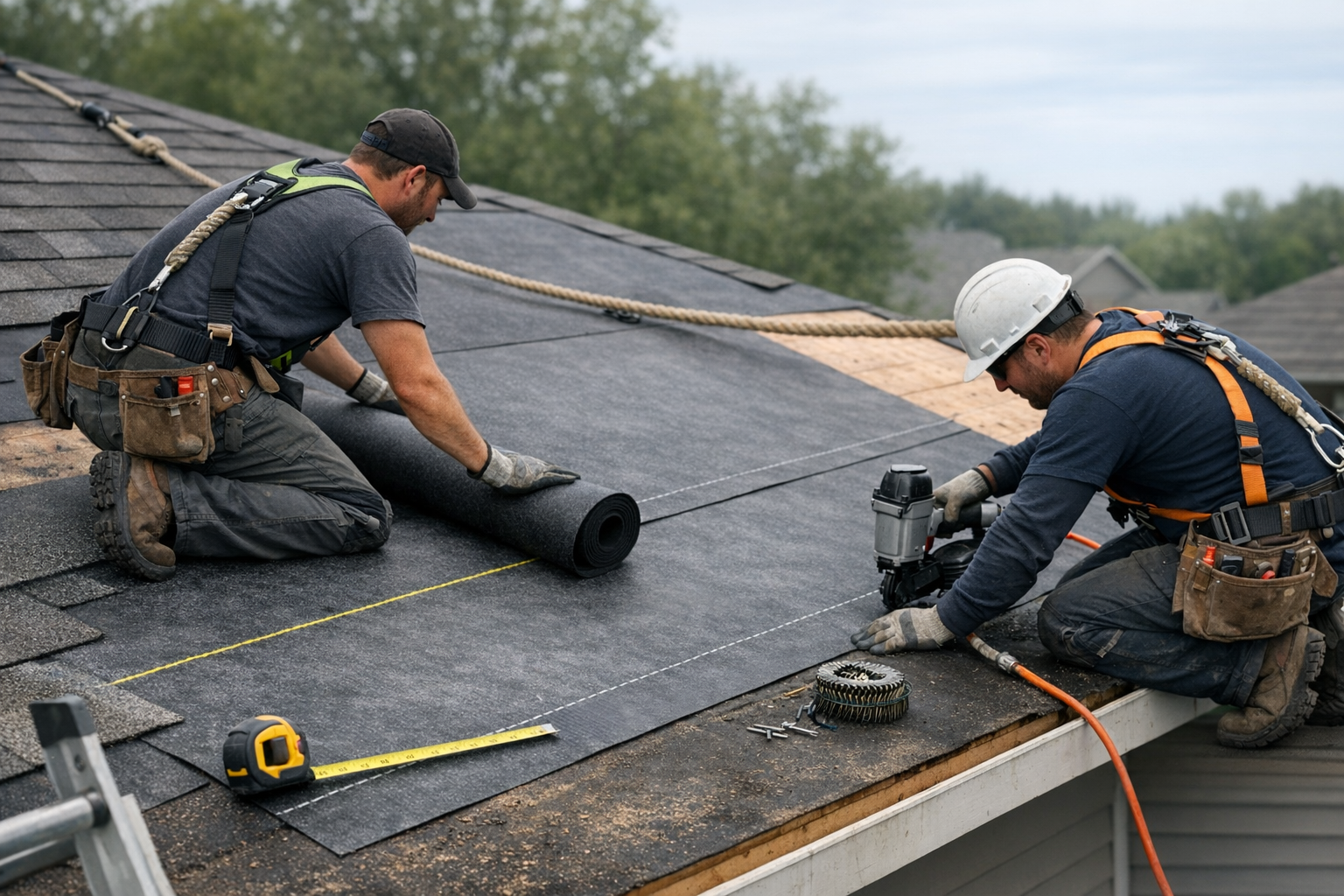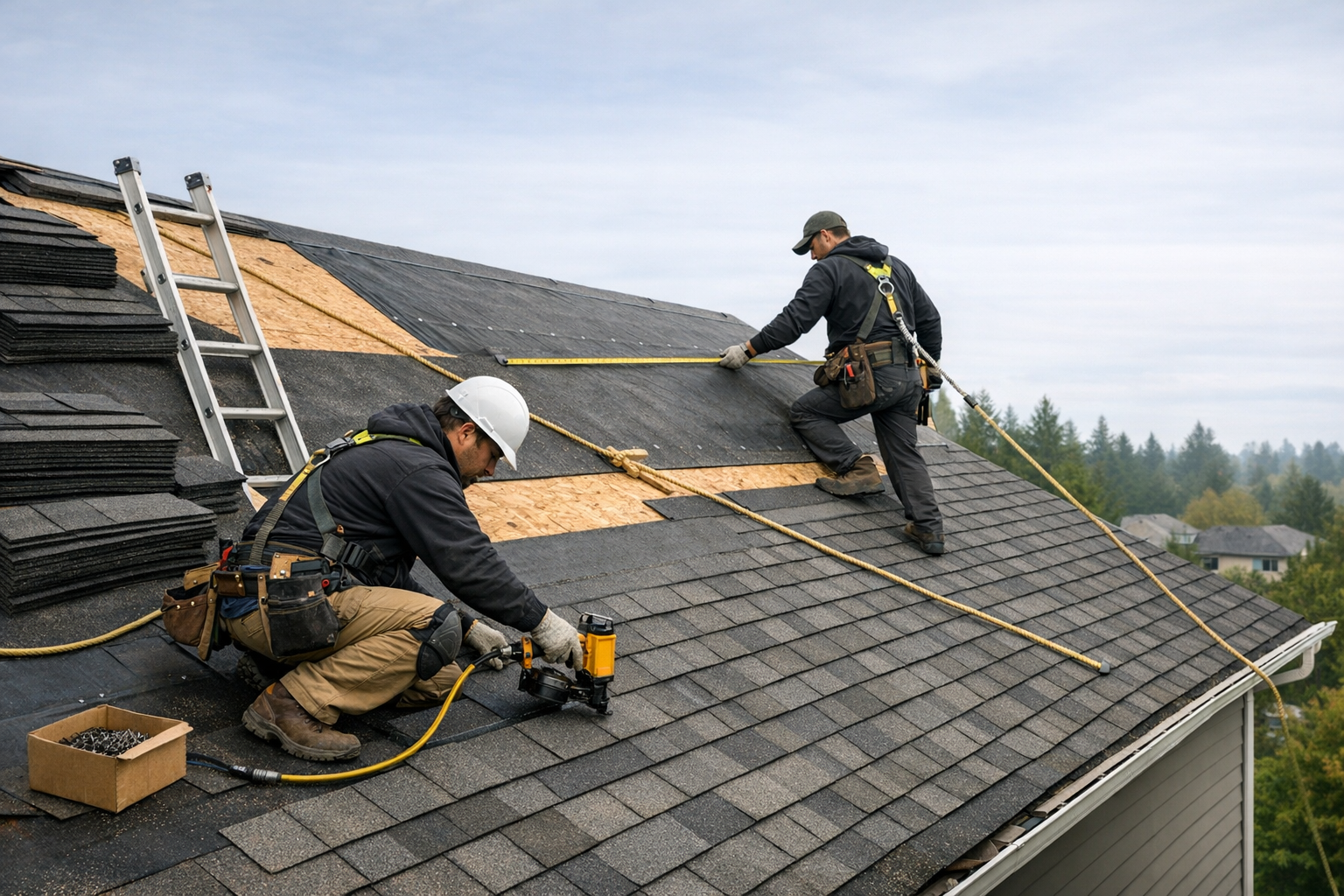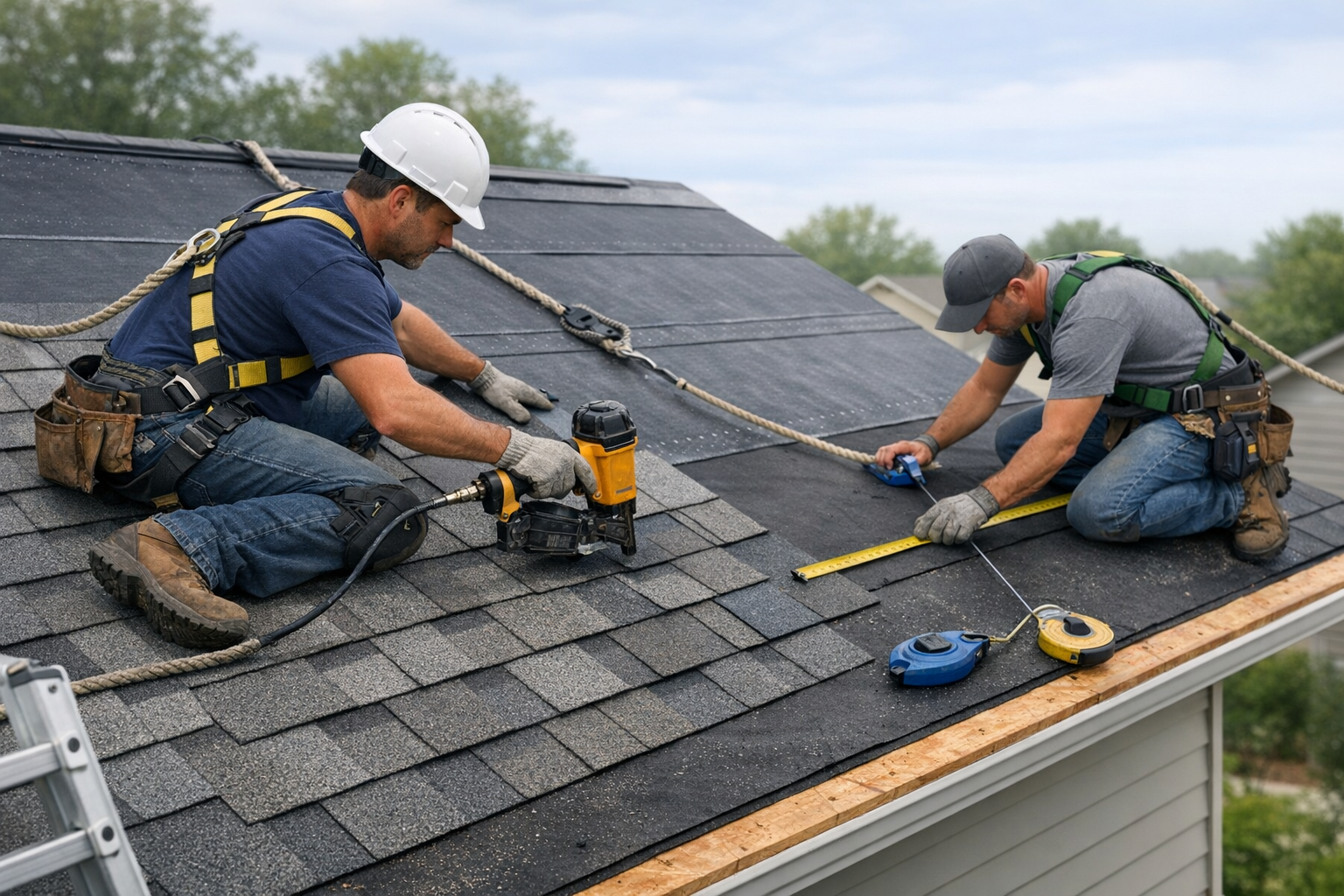

Flat Roofing Cost: Budgeting For Residential And Commercial Buildings
Wondering what a flat roof should really cost, whether you own a home, manage a commercial building, or are comparing options like EPDM, TPO, PVC, metal, or even green roofs? This guide breaks down flat roofing cost per square foot by roof type, size, and building use—showing you the key factors that drive prices up or down, typical residential and commercial budget ranges, and how to decide between repair, overlay, or full replacement for the best long-term value.
What Is Flat Roofing Cost? Understanding The Basics For Homeowners And Businesses
What counts as a “flat roof” on residential vs. commercial buildings?
When people ask me about flat roofing cost, the first thing I clarify is this: flat roofs are not perfectly flat. They are low-slope roofs, typically with a pitch of 1/4 inch per foot or slightly more, designed to move water toward drains or scuppers.
On residential properties, I usually see flat roofs on home additions, garages, porches, and modern-style homes. These sections are often smaller and may tie into a pitched asphalt shingle roof. On commercial buildings, flat roofs are the standard. Warehouses, retail centers, offices, and multifamily buildings rely on low-slope systems because they are practical and cost-effective for large surface areas.
The definition matters because flat roofing cost is calculated differently than steep-slope roofing. Materials, drainage design, insulation layers, and membrane systems all change the pricing structure. Understanding what type of “flat” roof you have is the first step toward building a realistic budget.
Key cost components that make up flat roofing cost
Flat roofing cost is not just about the membrane you see on top. It is a system. When I prepare an estimate, I break it into several core components:
- Tear-off and disposal of existing materials
- Roof deck repairs if needed
- Insulation and cover boards
- Waterproof membrane installation
- Flashings around penetrations and edges
- Drainage components
- Labor, equipment, and safety setup
For example, two buildings with identical square footage can have very different flat roofing cost totals if one has multiple HVAC units, skylights, and drains while the other is wide open.
If you want a simple definition: flat roofing cost is the total investment required to remove, install, and waterproof a low-slope roofing system, including materials, labor, insulation, drainage, and code compliance. That definition keeps expectations realistic from the beginning.
Average price ranges: per square vs. per square foot (and how pros really quote)
Roofers often talk in “squares.” One square equals 100 square feet. If someone tells you the cost is $600 per square, that means $6 per square foot.
Most residential flat roofing cost estimates range from $4 to $12 per square foot, depending on material and complexity. Commercial flat roofing cost can range from $5 to $14 per square foot or more for premium systems.
In real-world quoting, we look at:
- Total square footage
- Roof height and accessibility
- Number of penetrations
- Insulation thickness
- Code requirements
Per-square-foot numbers are helpful for budgeting, but a detailed site inspection is what turns a rough range into a reliable number.
Factors that impact cost differently for homes vs. commercial properties
Residential and commercial flat roofing cost structures differ in scale and logistics. Homes usually involve tighter spaces, driveway access limits, and architectural tie-ins. Commercial projects involve staging areas, safety plans, and sometimes night work to avoid business disruption.
For example, a 1,200 square foot residential flat roof might be influenced most by design details and aesthetics. A 40,000 square foot commercial roof is more affected by mobilization, equipment, and insulation thickness.
Commercial roofs also commonly include large HVAC units or solar arrays, which increase labor time and flashing work. That is why flat roofing cost must always be evaluated in context. The building type shapes the budget.
Flat Roofing Cost By Roof Type (Residential & Commercial)
Built-up roofing (BUR): traditional “tar and gravel” cost breakdown
Built-up roofing, often called tar and gravel, is one of the oldest flat roof systems. It uses multiple layers of asphalt and reinforcing fabrics topped with gravel.
Flat roofing cost for BUR typically ranges from $6 to $10 per square foot. The price reflects multiple layers of material and labor-intensive installation.
I often recommend BUR for buildings that need durability and impact resistance. The gravel surface protects against UV rays and foot traffic. However, it is heavier than single-ply systems and may require structural evaluation.
For large commercial roofs, BUR can be cost-effective over time. For smaller homes, the weight and labor can make newer membranes more appealing.
Modified bitumen: cost, lifespan, and when it makes financial sense
Modified bitumen is an asphalt-based membrane enhanced with rubber or plastic modifiers. It is usually installed in rolled sheets.
Flat roofing cost for modified bitumen ranges from $5 to $9 per square foot. It offers a lifespan of 15 to 25 years, depending on installation quality and maintenance.
I find it makes financial sense for residential flat roofs and small commercial buildings where budget control matters. It provides solid waterproofing without the premium price of PVC.
When installed with proper flashing and regular inspections, modified bitumen balances affordability and reliability.
EPDM rubber roofing: typical cost per sq. ft. and best use cases
EPDM is a synthetic rubber membrane widely used in low-slope roofing systems. It is known for flexibility and weather resistance.
Flat roofing cost for EPDM typically falls between $4 and $8 per square foot. It is one of the more budget-friendly single-ply options.
I often recommend EPDM for large commercial roofs where energy efficiency is less of a priority than durability. It performs well in cold climates and can handle temperature swings.
For homeowners with a simple flat roof over a garage or addition, EPDM is often a practical choice.
TPO roofing: cost vs. energy savings for commercial and multifamily buildings
TPO is a reflective single-ply membrane popular in commercial roofing. It is heat-welded at the seams for strong waterproofing.
Flat roofing cost for TPO averages $5 to $10 per square foot. While slightly higher than EPDM in some cases, its reflective surface can reduce cooling costs.
On multifamily or retail properties, energy savings can offset the higher installation price. Over time, lower utility bills can improve return on investment.
For buildings in warm climates, TPO often becomes a strategic long-term decision rather than just an upfront cost calculation.
PVC roofing: premium cost, performance, and when the upgrade pays off
PVC is considered a premium flat roofing material. It offers chemical resistance and strong seam integrity.
Flat roofing cost for PVC ranges from $7 to $12 per square foot or more. It is commonly used on restaurants or facilities where grease or chemicals are present.
The higher upfront investment can pay off through longer lifespan and reduced maintenance. If a building houses operations that expose the roof to contaminants, PVC often justifies its price.
Metal flat roofing systems: upfront investment vs. long-term value
Standing seam metal can be adapted for low-slope applications. It carries a higher flat roofing cost, often $10 to $18 per square foot.
However, metal systems can last 40 years or more with proper maintenance. I view metal as a long-term asset rather than a short-term expense.
For property owners planning to hold a building for decades, metal may reduce life-cycle cost despite higher installation pricing.
Green roofs and rooftop decks: specialty flat roof systems and added costs
Green roofs and rooftop decks transform flat roofs into usable space. They require structural support, drainage layers, waterproof membranes, and protection boards.
Flat roofing cost for these systems can exceed $15 to $30 per square foot depending on complexity.
While expensive upfront, they add functional space and can improve energy performance. These systems demand careful planning and expert installation to avoid costly waterproofing failures.
Key Factors That Drive Flat Roofing Cost Up Or Down
Roof size, shape, and complexity (penetrations, skylights, HVAC units)
The larger the roof, the more material required. However, complexity often impacts flat roofing cost more than size alone.
Every vent pipe, skylight, drain, or HVAC curb requires detailed flashing. A simple 10,000 square foot warehouse may cost less per square foot than a 5,000 square foot roof filled with penetrations.
Complexity increases labor hours and leak risk points. Clean, open layouts are always more budget-friendly.
Existing roof condition: repair, overlay, or full tear-off?
A roof in good structural condition may qualify for an overlay. That can lower flat roofing cost by avoiding tear-off and disposal fees.
However, saturated insulation or damaged decking requires full removal. Skipping tear-off when it is needed can create long-term moisture problems.
I always evaluate core samples and moisture scans before recommending overlays.
Insulation type and R-value requirements for your climate
Energy codes often dictate minimum R-values. Thicker insulation increases material cost but reduces heating and cooling expenses.
In colder climates, higher R-values significantly affect flat roofing cost. Tapered insulation systems that improve drainage also raise upfront pricing.
Balancing code compliance with energy savings is key to smart budgeting.
Accessibility and building height: labor, safety, and equipment costs
A single-story home with driveway access is far easier to service than a five-story downtown building.
Cranes, lifts, and safety rail systems all add to flat roofing cost. Restricted access also slows production time.
When budgeting, always consider how easy it is to move materials on and off the roof.
Drainage design: interior drains, scuppers, and tapered insulation costs
Proper drainage protects your investment. Interior drains require plumbing coordination. Scuppers and edge details require precise flashing.
If ponding water exists, tapered insulation may be necessary. That increases flat roofing cost but prevents long-term damage.
Ignoring drainage issues almost always leads to higher repair expenses later.
Local codes, permits, and inspections that affect your budget
Permits, inspections, and updated code requirements can influence flat roofing cost. Fire ratings, wind uplift standards, and insulation minimums vary by region.
Failing inspection can delay projects and increase expenses. I always recommend confirming requirements before finalizing scope.
Regional labor and material pricing differences (and seasonal fluctuations)
Material availability and labor demand fluctuate throughout the year. Peak construction seasons can raise flat roofing cost due to demand.
Regional pricing also varies based on supply chains and local wage standards. Planning ahead and scheduling strategically can help manage costs.
Residential Flat Roofing Cost: What Homeowners Should Expect
Typical flat roof setups on homes (additions, porches, garages, modern homes)
On homes, flat roofs are usually smaller sections tied into the main structure. I commonly see them over rear additions, enclosed porches, attached garages, and contemporary-style homes with low-slope architecture.
These areas often include transitions where the flat roof meets a pitched asphalt shingle roof. Those tie-ins require careful flashing and waterproofing. That detail work directly impacts flat roofing cost because transitions are common leak points if not handled properly.
Homeowners are sometimes surprised that a small 400 square foot flat roof can have a higher per-square-foot cost than a large commercial roof. The reason is efficiency. Smaller projects still require setup time, safety measures, and material delivery. The fixed costs are spread over fewer square feet.
If your flat roof sits below a second-story wall with windows above it, we also need to factor in wall flashing and water runoff management. In residential projects, design details matter just as much as square footage when calculating flat roofing cost.
Cost comparison: flat roof vs. pitched asphalt shingle roof on a home
Many homeowners ask me whether a flat roof is cheaper than a traditional asphalt shingle roof. The answer depends on the situation.
Asphalt shingles on a simple pitched roof may range from $4 to $8 per square foot. Flat roofing cost for membranes like EPDM or TPO can fall within a similar range. However, flat roofs often require more insulation layers and specialized flashing systems.
Flat roofs do not shed water as quickly as steep-slope roofs. That means waterproofing quality is critical. The membrane system must act as a continuous barrier. With shingles, gravity does much of the work.
In short, flat roofs are not automatically cheaper. On small residential sections, they can cost the same or slightly more than shingles. The tradeoff is architectural flexibility and usable rooftop space.
Budget ranges for small, medium, and large residential flat roofs
To help homeowners set expectations, I usually break flat roofing cost into rough size categories:
- Small flat roof, 200 to 500 square feet:$2,000 to $6,000 depending on material and detail work
- Medium flat roof, 500 to 1,200 square feet:$4,000 to $12,000
- Large residential flat roof, 1,200 to 2,500 square feet:$8,000 to $25,000 or more
These ranges assume full replacement with tear-off. Repairs or overlays can reduce costs if conditions allow.
The biggest budgeting mistake I see is underestimating insulation upgrades and flashing complexity. A realistic inspection helps refine these numbers before you commit.
How roof design and aesthetics affect materials and cost for homeowners
Modern homes often showcase flat roofs as a design feature. That aesthetic decision can increase flat roofing cost because visible edges require clean termination details.
For example, a parapet wall with metal coping must be custom-fabricated and installed precisely. If you plan to add a rooftop deck, railing systems and reinforced waterproofing layers come into play.
Color choice can also matter. Reflective membranes may offer energy savings but may not align with every design vision. In those cases, upgraded membranes or coating systems may be necessary.
When budgeting, I encourage homeowners to think beyond waterproofing. Ask yourself how the roof will look from neighboring windows or upper stories. Design-driven choices should be factored into the flat roofing cost from the start.
When repair is enough vs. when full replacement is the smarter investment
Not every flat roof needs replacement. Minor seam separations or isolated leaks can often be repaired for a few hundred to a few thousand dollars.
However, if your roof has widespread ponding water, saturated insulation, or repeated leak patches, repair costs can add up quickly. I have seen property owners spend thousands over several years chasing leaks when a full replacement would have provided better long-term value.
A simple decision rule I share is this: if repair costs approach 30 to 40 percent of replacement cost and the roof is near the end of its lifespan, replacement usually makes more financial sense.
Understanding where your roof stands in its life cycle is key to managing flat roofing cost wisely.
Commercial Flat Roofing Cost: Planning For Large-Scale Projects
Why most commercial roofs are flat (and what that means for cost)
Most commercial buildings use flat or low-slope roofs for practical reasons. Large footprints are easier and safer to cover with membrane systems than steep-slope materials.
Flat roofs allow space for HVAC units, solar panels, and ventilation systems. That design efficiency reduces interior space loss and simplifies maintenance access.
From a flat roofing cost perspective, large surface areas benefit from economies of scale. Material installation becomes more efficient per square foot. However, complexity such as multiple roof levels or heavy equipment can offset those efficiencies.
Commercial flat roofs are built with function in mind. The budget should reflect durability, energy performance, and long-term maintenance planning.
Cost structure for commercial roofs: mobilization, staging, and safety
Commercial flat roofing cost includes items that residential owners rarely see. Mobilization alone can be significant. This includes equipment delivery, cranes if needed, safety rail systems, and staging areas for materials.
On multi-story buildings, we often install debris chutes and coordinate lift operations. Safety compliance is not optional. Guardrails, harness systems, and crew training all contribute to labor costs.
For example, a 50,000 square foot warehouse may have a lower per-square-foot installation rate than a 10,000 square foot urban office building simply because access is easier.
When reviewing commercial estimates, look closely at line items related to setup and safety. They are essential parts of flat roofing cost, not extras.
Pricing tiers for small, mid-size, and large commercial/industrial roofs
Commercial flat roofing cost typically falls into these broad tiers:
- Small commercial roof, 5,000 to 15,000 square feet:$30,000 to $150,000 depending on system
- Mid-size roof, 15,000 to 50,000 square feet:$75,000 to $600,000
- Large industrial roof, 50,000 square feet and up: project-specific pricing that can reach into the millions
Material choice plays a major role. EPDM will generally cost less upfront than PVC. Insulation thickness and wind uplift requirements also influence pricing.
The key for commercial property owners is to view these numbers in the context of asset protection. The roof protects inventory, tenants, and operations.
Multiple roof areas, expansions, and tie-ins: how they affect your estimate
Many commercial buildings have multiple roof sections built at different times. Tie-ins between old and new systems require careful planning.
Each transition area adds flashing labor and potential drainage adjustments. If expansions are planned, I often recommend designing the current flat roofing cost scope to accommodate future connections.
Ignoring these details can lead to leaks where systems meet. Coordinating phases strategically can save money and reduce disruption.
Impact of rooftop equipment (HVAC, vents, solar) on installation cost
Rooftop equipment is one of the biggest drivers of commercial flat roofing cost. Every unit must be flashed and sealed properly.
In some cases, equipment must be temporarily lifted to allow membrane replacement underneath. That involves coordination with mechanical contractors and sometimes crane rental.
Solar panel arrays add additional penetrations and ballast considerations. Planning around existing equipment is often more complex than installing a roof on an empty deck.
The more penetrations, the higher the labor component of your flat roofing cost.
Long-term cost of ownership for commercial flat roofs (not just install price)
Installation price is only part of the equation. Long-term flat roofing cost includes maintenance, inspections, energy use, and eventual replacement.
A slightly higher upfront investment in a reflective membrane may reduce cooling loads. A thicker membrane may extend lifespan by several years.
I always encourage commercial clients to calculate cost per year of service life rather than just total install price. That perspective often shifts decisions toward higher-performing systems.
A well-planned commercial flat roof should align with your broader capital improvement strategy, not just this year’s budget.
Key Takeaways
- Flat roofing cost varies significantly between residential and commercial buildings due to factors like roof size, complexity, material choice, and required insulation, with prices typically ranging from $4 to $14 per square foot depending on system and project scale.
- Key components that drive flat roofing cost include tear-off, insulation, membrane installation, drainage, flashing, labor, and compliance with local codes—each of which can affect your budget based on building type and project specifics.
- Material selection is crucial, with options like BUR, modified bitumen, EPDM, TPO, PVC, metal, and green roofs offering different price points, lifespans, and benefits, making it essential to align choice with building needs and long-term value.
- Residential flat roofs often have higher per-square-foot costs than larger commercial projects due to setup and detail work, while commercial roofs benefit from economies of scale but face unique challenges with staging, safety, and rooftop equipment.
- Accurate budgeting for flat roofing requires a thorough site inspection and understanding of all project variables, ensuring homeowners and property managers avoid underestimating insulation, flashing, and design-driven costs for optimal long-term performance.
Frequently Asked Questions
1. What is the average flat roofing cost for residential and commercial buildings?
Flat roofing cost typically ranges from $4 to $12 per square foot for homes and $5 to $14 per square foot for commercial buildings, depending on materials, roof size, and project complexity.
2. What factors most impact flat roofing cost?
Key factors include roof size, number of penetrations (like skylights or HVAC units), insulation requirements, drainage design, existing roof condition, local labor rates, and accessibility. Each of these can significantly raise or lower the total project cost.
3. How does flat roofing cost compare to pitched asphalt shingle roofs?
Flat roofs and pitched asphalt shingle roofs often have similar per-square-foot costs, but flat roofing may be slightly higher due to additional insulation and specialized waterproofing requirements. Design details and flashing complexity also affect pricing.
4. When should I repair versus replace my flat roof?
Repair makes sense for minor, isolated issues. If repairs approach 30–40% of replacement cost or the roof is near the end of its lifespan, full replacement is usually the smarter long-term investment to avoid recurring problems.
5. What are the most common flat roofing materials and their cost ranges?
Popular flat roofing materials include EPDM ($4–$8/sq. ft.), TPO ($5–$10/sq. ft.), modified bitumen ($5–$9/sq. ft.), BUR ($6–$10/sq. ft.), PVC ($7–$12/sq. ft.), and metal ($10–$18/sq. ft.), with green roofs costing even more due to added complexity.
If you are ready to take the next step toward a reliable and cost-effective roofing solution, our expert team is here to help you navigate every aspect of your flat roofing cost. Get tailored advice on roofing services, detailed estimates, and peace of mind knowing your property is protected for years to come. Schedule a consultation today and discover how easy it is to get started with trusted professionals by your side.