
The Truth About Metal Roof Lifespan In Western Washington
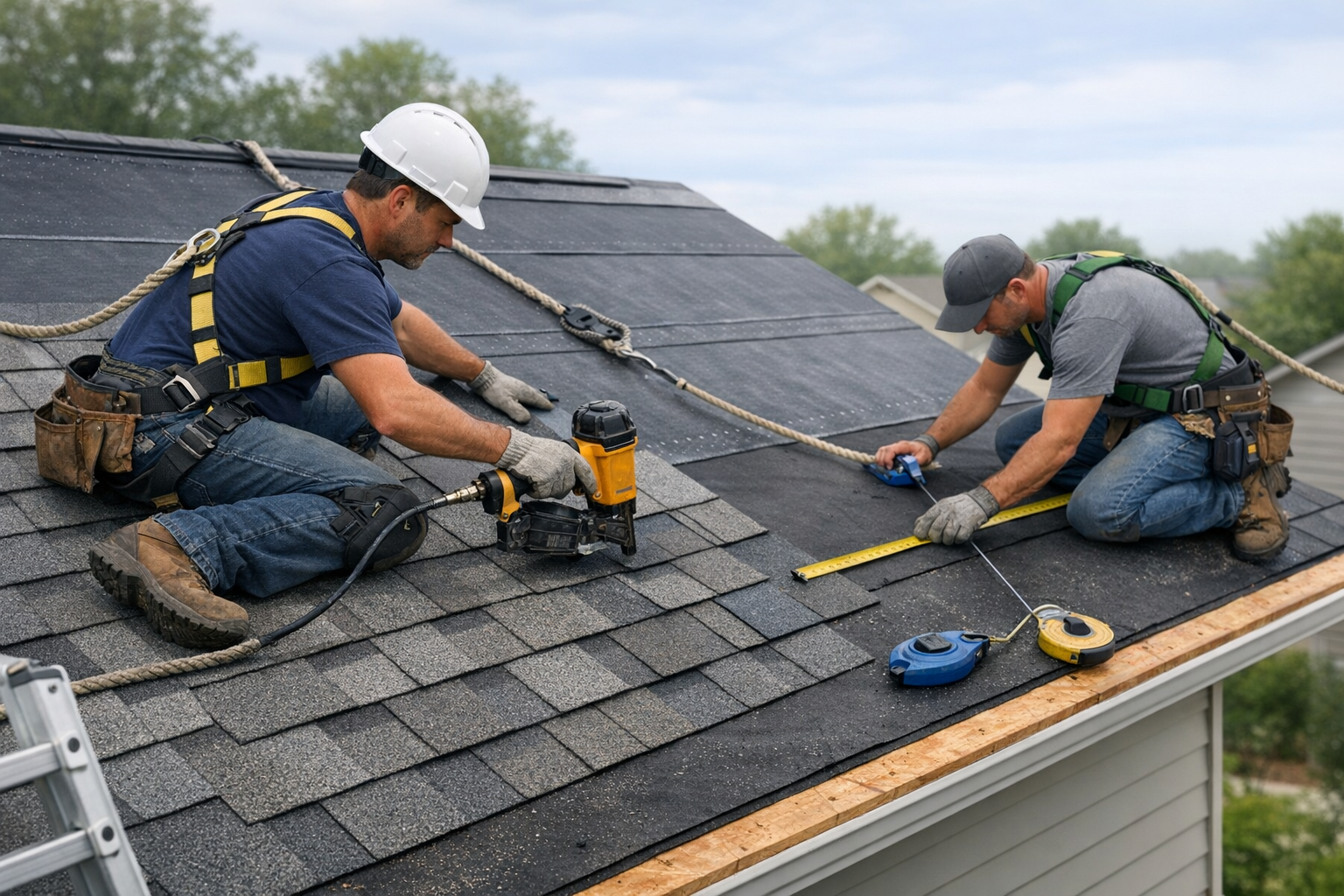
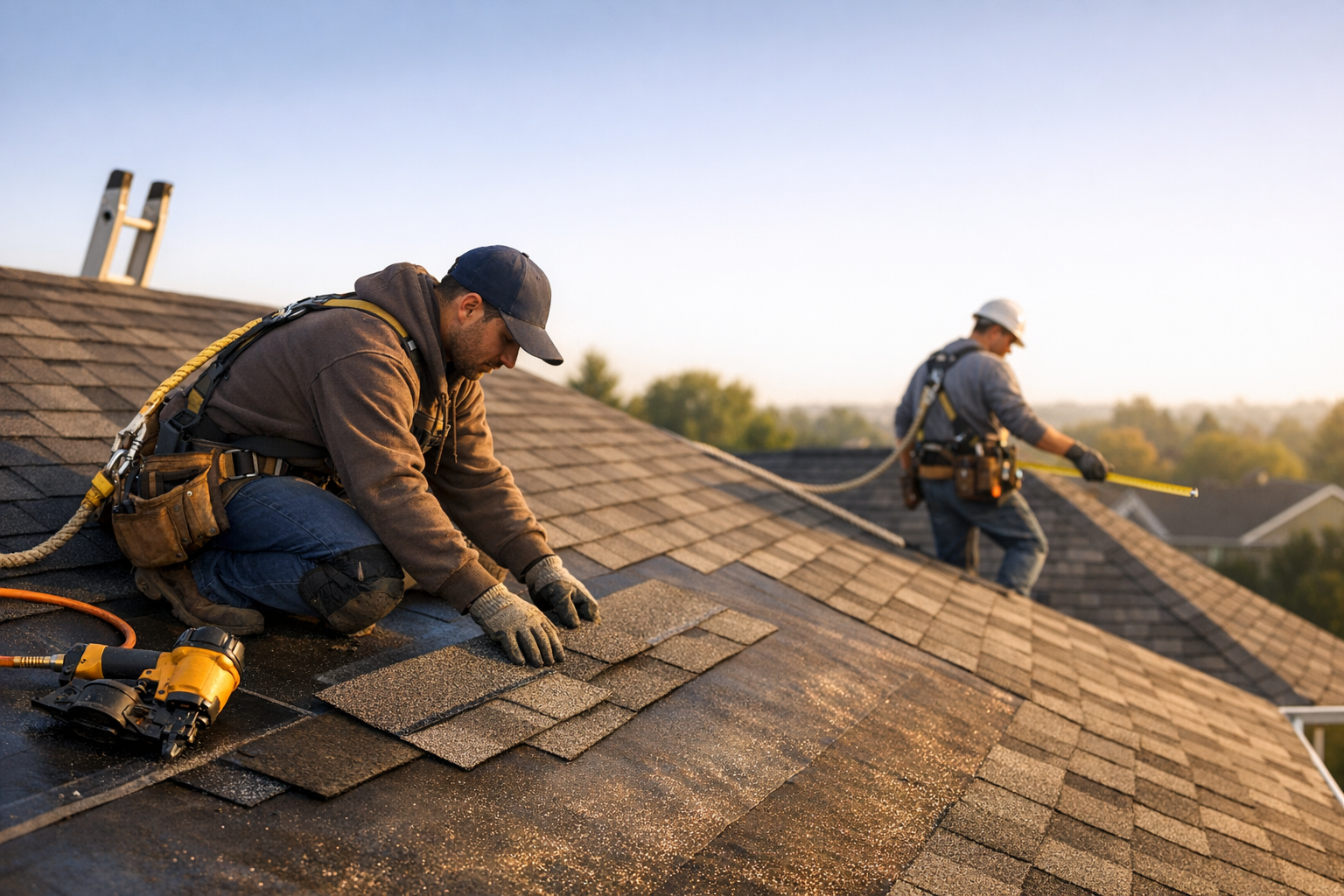
If you live in Western Washington, your metal roof is aging very differently than the brochures promised—and the constant rain, moss, and salt air may already be quietly cutting its lifespan in half. This guide explains the real metal roof lifespan in our region, how climate, materials, installation, and maintenance change the numbers, and the exact steps you can take to protect your home’s value, prevent costly failures, and confidently plan for 30–60+ years of dependable performance.
Why Metal Roof Lifespan Matters So Much In Western Washington
Unique Northwest climate: why our roofs age differently than the rest of the country
When I talk about metal roof lifespan with homeowners in Western Washington, I always start with one simple truth: our climate is not average. What works in Arizona or even Eastern Washington does not automatically perform the same way here.
We deal with consistent rainfall, long stretches of gray skies, high humidity, and moss growth that never really goes dormant. Metal roofing performs exceptionally well in wet climates, but constant moisture changes how and where aging happens. Instead of intense UV breakdown like in desert regions, we see slow corrosion at cut edges, fastener fatigue, and sealant wear from repeated wet-dry cycles.
In Western Washington, roofs rarely get a long break. Even during summer, marine air and morning dew keep surfaces damp. That ongoing moisture exposure plays a direct role in metal roof lifespan, especially if maintenance is neglected. Understanding that regional difference is the first step to setting realistic expectations.
How roof lifespan affects long-term home value and resale in Western Washington
A roof is one of the first things buyers and inspectors evaluate. In our market, where moisture damage is common, a well-maintained metal roof can be a strong selling point. Buyers know roofing failures here often lead to hidden structural damage.
Metal roof lifespan directly influences resale value because it impacts perceived risk. If a buyer sees documentation showing a 20-year-old metal roof that has been regularly inspected and maintained, that is very different from a 20-year-old roof with no history.
From my experience, homes with clearly documented roof care often move faster and with fewer negotiation issues. The roof is not just protection; it is a long-term asset that affects appraisal confidence and buyer peace of mind.
What most homeowners get wrong about “lifetime” metal roofs
One of the biggest misconceptions I hear is, “It’s a lifetime roof, so I’m done worrying about it.” That misunderstanding shortens metal roof lifespan more than anything else.
A “lifetime” label usually refers to a limited material warranty, not guaranteed performance without maintenance. Fasteners, sealants, flashings, and underlayment do not all age at the same rate as the metal panels themselves.
In Western Washington, even premium systems require periodic inspections. Ignoring small issues like backed-out screws or deteriorating sealant can turn a 50-year potential lifespan into a 25-year reality. Metal is durable, but it is not invincible.
What Is Metal Roof Lifespan in Western Washington, Really?
Clear definition: lifespan vs. warranty vs. maintenance cycle
Let me define metal roof lifespan clearly. Lifespan is the realistic number of years a roof performs effectively before full replacement is needed. That is different from a warranty and different from a maintenance cycle.
A warranty is a manufacturer’s promise about defects in materials, often with specific conditions. It does not cover poor installation or lack of maintenance. A maintenance cycle refers to routine service intervals, such as inspections every one to two years.
In practical terms, a roof may have a 40-year material warranty, a 20-year finish warranty, and require inspection every 12 to 24 months. True metal roof lifespan depends on how those pieces work together over time.
Average lifespan ranges for metal roofs in our region (with and without maintenance)
In Western Washington, here are realistic expectations:
- Standing seam metal roof with proper maintenance: 40 to 60 years
- Standing seam without consistent maintenance: 30 to 40 years
- Exposed fastener systems with maintenance: 25 to 35 years
- Exposed fastener systems without maintenance: 15 to 25 years
The difference often comes down to small issues caught early. For example, replacing worn fasteners at year 15 may extend life by another decade or more.
These ranges assume professional installation. Poor workmanship can significantly reduce metal roof lifespan regardless of material quality.
How Western Washington lifespan compares to national metal roof averages
Nationally, metal roofs are often marketed as lasting 40 to 70 years. In drier climates, that upper range is more achievable with minimal intervention.
Here in Western Washington, moisture is the primary limiting factor. Corrosion risk, sealant aging, and moss-related drainage problems all influence performance. While we can absolutely see 50-year metal roofs, they usually involve proactive maintenance.
I always advise homeowners to think regionally. A roof’s theoretical lifespan and its local lifespan are not always the same.
How Western Washington Weather Impacts Metal Roof Lifespan
Rain, moss, and constant moisture: slow, invisible metal roof killers
Rain alone is not the problem. It is trapped moisture that causes trouble. Moss and debris hold water against panels, especially at seams and fasteners.
Over time, this can lead to:
- Coating breakdown
- Micro-corrosion at scratches
- Fastener washer deterioration
Because damage progresses slowly, many homeowners do not notice until staining or leaks appear. Regular cleaning and inspection directly protect metal roof lifespan in our wet environment.
Wind, storms, and flying debris: mechanical wear and tear over time
Western Washington storms may not match hurricane-force systems, but wind-driven rain and airborne debris create cumulative stress.
Branches scraping across panels can remove protective coatings. Wind uplift can strain fasteners, especially in exposed fastener systems. Over decades, this mechanical wear reduces metal roof lifespan.
After major storms, I recommend visual inspections from the ground and professional follow-up if anything looks displaced or dented.
Coastal influence, salt air, and microclimates from Olympia to Bellingham
Salt air accelerates corrosion, even on coated metal. Homes closer to the Puget Sound or Pacific coast experience higher exposure levels.
Microclimates matter. A home in Olympia surrounded by trees will age differently than one in Bellingham near open water. Choosing the right metal type and coating for your exact location can significantly impact lifespan.
Urban vs. rural properties: air quality, tree cover, and roof aging
Urban pollutants can settle on roofs and interact with moisture. Rural properties often face heavier moss growth and falling debris.
For example, a heavily wooded property may require more frequent cleaning to protect metal roof lifespan. Urban homes may need attention to chemical residue buildup.
Environment always shapes aging patterns.
Key Factors That Determine Your Metal Roof’s Lifespan
Metal type and coating: galvanized steel, aluminum, zinc, copper
Material choice matters. Galvanized or galvalume steel is common and durable when properly coated. Aluminum resists corrosion better in coastal environments. Zinc and copper offer exceptional longevity but at higher cost.
In Western Washington, protective coatings are just as important as base metal. A high-quality finish slows corrosion and UV breakdown, extending metal roof lifespan significantly.
Panel style: standing seam vs. screw-down (exposed fastener) systems
Standing seam systems conceal fasteners and allow thermal movement. This design reduces water intrusion risk.
Exposed fastener systems are more affordable but rely on rubber washers that degrade over time. In wet climates, those washers often become the first failure point.
If maximizing metal roof lifespan is your priority, standing seam generally performs better long-term.
Underlayment and roof deck: the hidden layers that control longevity
Metal panels are only part of the system. Underlayment provides secondary moisture protection. High-quality synthetic underlayment performs better in damp conditions than basic felt.
If underlayment fails prematurely, the overall metal roof lifespan shortens, even if panels look fine.
Roof pitch, orientation, and design details that speed or slow wear
Low-slope sections drain slower, increasing moisture exposure. North-facing slopes stay damp longer, encouraging moss growth.
Complex rooflines with valleys and penetrations create more potential leak points. Smart design and proper flashing protect long-term performance.
Quality of installation: why the installer matters more than the metal brand
I cannot overstate this: installation quality often matters more than brand selection.
Improper fastener placement, poorly sealed penetrations, or misaligned panels compromise metal roof lifespan from day one. Even premium materials fail early when installed incorrectly.
Ventilation and insulation: managing moisture and temperature from below
Attic ventilation prevents condensation under metal panels. Without it, trapped moisture can rot decking and corrode fasteners from beneath.
Balanced intake and exhaust ventilation supports the full expected metal roof lifespan.
How Long Do Different Metal Roof Types Last In Western Washington?
Standing seam metal roofs: realistic lifespan expectations here
Standing seam roofs in Western Washington typically last 40 to 60 years with maintenance. Hidden fasteners and raised seams reduce direct water exposure.
Regular inspection of seams and flashings keeps them performing near the upper end of that range.
Exposed fastener metal roofs: where they fail first in our climate
These systems usually fail at fastener points. Washers crack, screws back out, and small gaps allow moisture intrusion.
With proactive fastener replacement cycles, lifespan can reach 30 years. Without it, problems often begin much sooner.
Stone-coated steel roofs in the Pacific Northwest
Stone-coated steel combines metal durability with textured finishes. In our damp climate, keeping surface clean is key.
When maintained, these systems commonly last 30 to 50 years.
Aluminum and copper roofs: when premium metals make financial sense
Aluminum performs well near saltwater. Copper can exceed 60 years with proper detailing.
For coastal properties, these materials can extend metal roof lifespan enough to justify higher upfront investment.
Reroof over shingles vs. full tear-off: impact on lifespan and performance
Installing metal over existing shingles can be cost-effective, but hidden moisture or uneven decking may reduce longevity.
A full tear-off allows inspection of decking and underlayment, often supporting a longer metal roof lifespan overall.
How To Extend Metal Roof Lifespan In Western Washington
Practical annual maintenance checklist for Western Washington homeowners
Each year, I recommend:
- Clear moss and debris
- Check fasteners and seams
- Inspect flashing around chimneys and vents
- Clean gutters and downspouts
These small steps significantly protect metal roof lifespan.
How often to inspect your metal roof (and what to look for after storms)
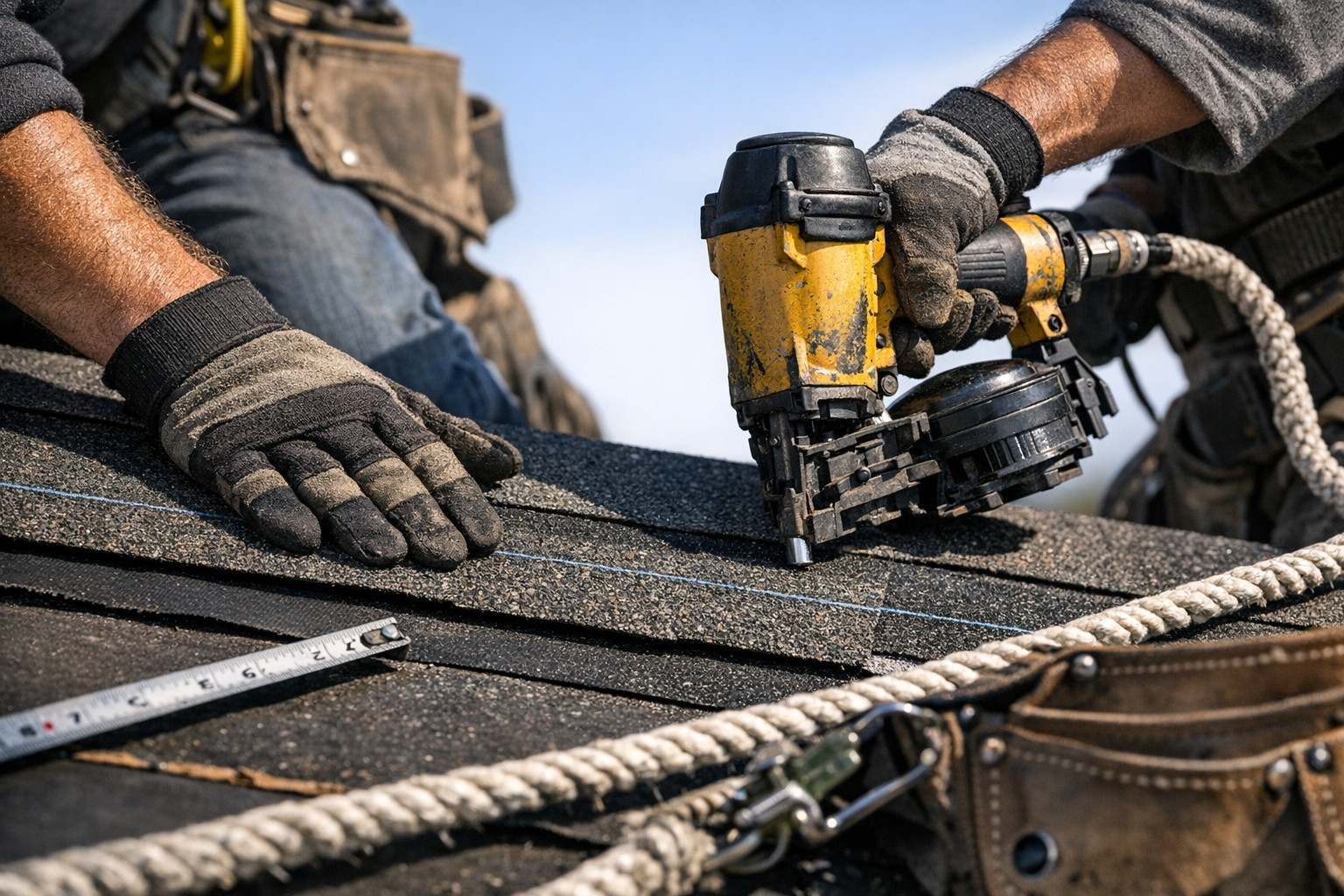
At minimum, inspect once per year and after major storms. Look for loose panels, lifted seams, or displaced flashing.
Catching early movement prevents water intrusion.
Smart gutter and downspout maintenance to protect roof edges and fascia
Clogged gutters cause water backup at roof edges. In constant rain, that accelerates corrosion.
Clean gutters at least twice yearly to protect both roof and fascia.
Controlling moss, algae, and debris without damaging the finish
Avoid aggressive pressure washing. Use gentle cleaning methods approved for metal surfaces.
Preserving protective coatings directly extends metal roof lifespan.
When and how to safely clean a metal roof in a wet climate
Choose dry periods. Use soft brushes and manufacturer-approved cleaners.
Safety matters. Wet metal is slippery, so professional service is often safer.
Small preventative repairs that dramatically extend service life
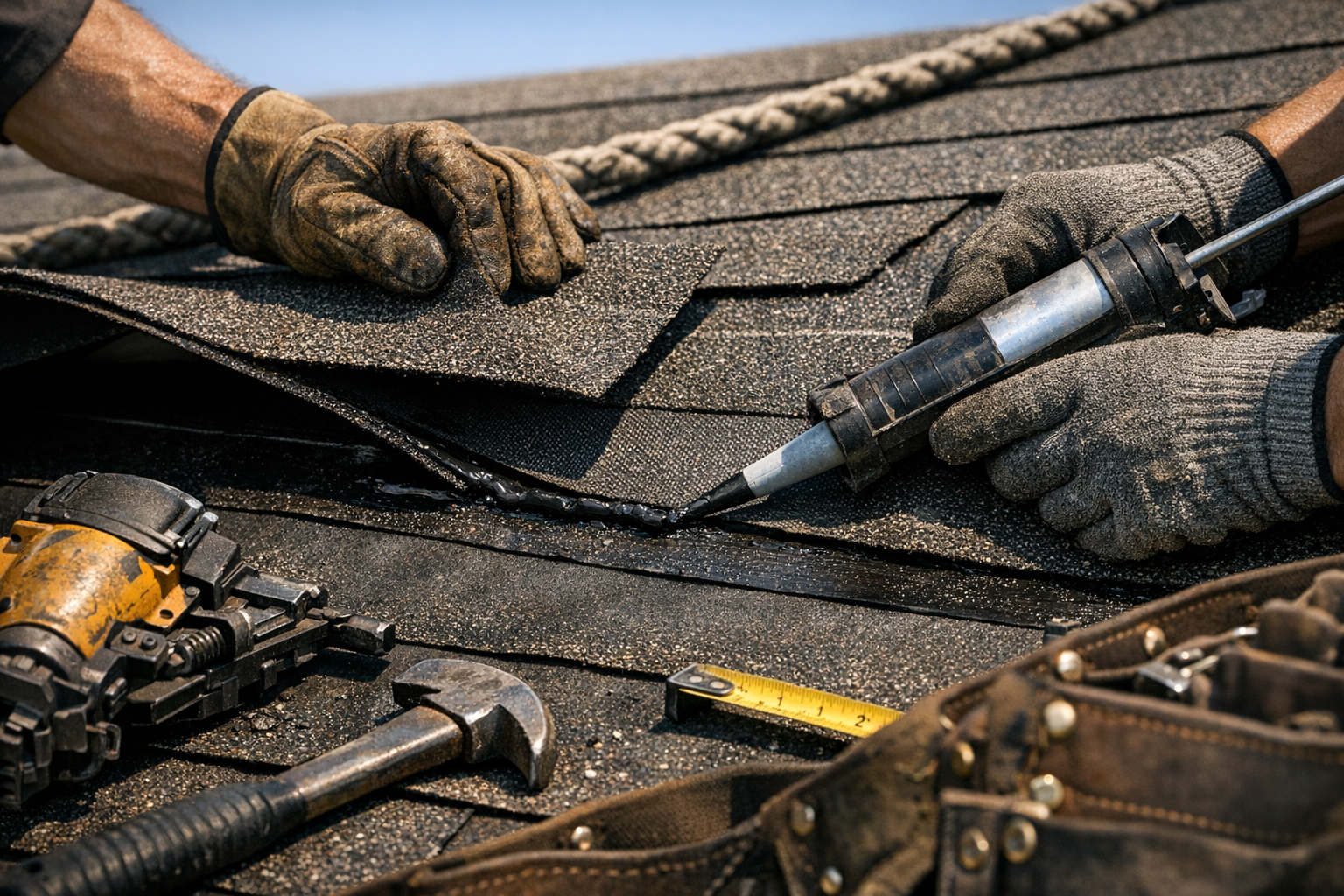
Replacing aging sealant, tightening fasteners, and correcting minor flashing gaps can add years to metal roof lifespan at minimal cost.
Common Metal Roof Lifespan Myths In Western Washington
“Metal roofs last forever, so I don’t need maintenance”
No roof lasts forever without care. Maintenance is what turns potential lifespan into reality.
“Our mild temperatures mean less roof wear and longer life”
Temperature swings may be moderate, but moisture exposure is intense. That trade-off still affects aging.
“Any metal panel sold locally is suitable for our climate”
Not all coatings and gauges perform equally. Climate-specific selection matters.
“If it’s not leaking, the roof is fine”
Leaks are late-stage symptoms. Corrosion and sealant failure begin long before interior signs appear.
“All metal roofs age the same, no matter who installs them”
Installation quality dramatically influences metal roof lifespan. Craftsmanship matters.
The Hidden Enemies That Shorten Metal Roof Lifespan Here
Fastener failures: backing out, rusting, and washer breakdown
Exposed fasteners expand and contract. Over time, screws loosen and washers crack, allowing moisture entry.
Routine fastener inspection prevents premature aging.
Micro-corrosion at cut edges, panel laps, and penetrations
Cut edges expose raw metal. Without proper sealing, corrosion can begin in these vulnerable spots.
Sealants and flashings aging faster than the metal panels
Sealants may fail long before panels. Replacing them proactively protects overall metal roof lifespan.
Tree limbs, needles, and pine cones: mechanical and moisture damage
Organic debris traps moisture and scratches coatings. Regular clearing reduces risk.
Poorly detailed chimneys, skylights, and vents in constant rain
Penetrations require expert flashing. Poor detailing often becomes the first leak point.
Warning Signs Your Metal Roof Is Near The End Of Its Lifespan
Visual red flags: rust, chalking, fading, and coating failure
Surface rust, excessive fading, or chalky residue indicate finish breakdown. Left untreated, corrosion spreads.
Functional clues: recurring leaks, loose panels, and noise changes
Repeated leak repairs may signal systemic aging rather than isolated issues.
Interior signs: moisture, staining, and energy bill shifts
Ceiling stains, attic condensation, or rising energy bills can reflect declining roof performance.
When repairs stop making sense and replacement becomes smarter
If repair costs accumulate and problems repeat, replacement may offer better long-term value and restore full metal roof lifespan potential.
Financial Side: Cost vs. Lifespan of Metal Roofs In Western Washington
Upfront cost vs. cost per year of service compared to asphalt shingles
Metal costs more upfront but often delivers lower cost per year of service over decades.
Asphalt shingles typically last 20 to 30 years here, often less in damp conditions.
How energy efficiency and reflectivity play out in our milder climate
Energy savings are modest compared to hotter regions, but reflective coatings still reduce summer heat gain.
Insurance considerations: fire resistance, wind performance, and savings
Metal roofs offer strong fire resistance and wind performance, which may influence insurance considerations.
Long-term budgeting: planning for replacement 30–50 years out
Planning early for eventual replacement protects financial stability and home value.
Metal Roof Lifespan vs. Other Roofing Materials In Our Region
Metal vs. architectural asphalt shingles in Western Washington weather
Metal generally outlasts shingles and resists moss better when maintained.
Metal vs. cedar shakes and shingles in a damp, moss-prone climate
Cedar offers natural beauty but requires significant maintenance in wet climates.
Metal vs. low-slope roofing on additions, porches, and flat sections
Metal performs well on properly designed slopes. Very low-slope areas may require alternative systems.
Environmental impact and recyclability at end of roof life
Metal roofing is often recyclable, reducing landfill impact at end of lifespan.
Choosing The Right Metal Roof System For Maximum Lifespan
Matching metal type and coating to your specific microclimate
Coastal, wooded, or urban settings each demand tailored material choices.
Why panel profile and fastening method matter for long-term durability
Hidden fastener systems typically extend metal roof lifespan in wet regions.
Evaluating manufacturer warranties realistically for Western Washington
Read warranty terms carefully. Climate exposure and maintenance requirements matter.
Questions to ask a roofing contractor about projected lifespan
Ask about local experience, maintenance recommendations, and inspection schedules.
Red flags when comparing quotes that hint at shorter roof life
Extremely low bids may indicate thinner metal, minimal underlayment, or shortcuts that reduce lifespan.
How A Professional Inspection Protects Your Metal Roof Lifespan
What a qualified Western Washington roofer looks for that homeowners miss
Professionals check fastener integrity, sealant condition, flashing details, and subtle corrosion patterns.
Baseline inspections for newly purchased homes with existing metal roofs
A baseline inspection establishes current condition and future maintenance planning.
Ideal inspection schedule for roofs under 10, 20, and 30+ years old
Younger roofs may need less frequent inspection, while aging systems benefit from annual reviews.
Documentation, photos, and reports that support insurance and resale
Detailed reports protect resale value and simplify insurance discussions.
Case Studies: Real Metal Roof Lifespan Stories From Western Washington
A 30-year-old standing seam roof that still performs like new (and why)
I have inspected standing seam roofs over 30 years old that remain in excellent condition due to regular maintenance and proper ventilation.
An exposed-fastener roof that failed early due to skipped maintenance
In contrast, I have seen exposed fastener roofs deteriorate in under 20 years when fasteners were never replaced.
Coastal vs. inland homes: side-by-side lifespan comparison
Coastal properties often show earlier corrosion unless upgraded materials were used.
Lessons learned from repairs that could have been avoided
Most premature failures trace back to small, ignored issues.
When It’s Time: Planning A Metal Roof Replacement In Western Washington
How to tell if repair, restoration, or full replacement is the right move
If structural components are sound and corrosion is limited, restoration may extend service life.
Coordinating timing with weather windows in our rainy seasons
Late spring through early fall often offers better installation conditions.
Upgrading from older metal systems to modern long-lifespan options
Modern coatings and concealed fastener systems improve long-term durability.
What to expect during a replacement project on an occupied home
Most projects allow homeowners to remain in place, with manageable noise and staging.
Working With A Local Expert To Maximize Your Metal Roof Lifespan
Why local Western Washington experience matters more than generic advice
Local knowledge of rain patterns, moss behavior, and microclimates directly affects recommendations.
How a reputable contractor helps you get full value from your roof’s lifespan
Clear maintenance plans and quality installation protect your investment.
What a “roof lifespan optimization plan” looks like for your home
It includes material selection, inspection schedules, maintenance guidance, and documentation.
Next steps: inspection, consultation, and quote to protect your investment
A professional evaluation provides clarity about your current metal roof lifespan and the smartest path forward for long-term protection.
Key Takeaways
- Metal roof lifespan in Western Washington is heavily influenced by constant moisture, moss, and regional microclimates—making proactive maintenance critical for achieving the maximum 40–60 year potential.
- Routine inspections, timely repairs, and climate-appropriate material choices are essential to prevent early failures, with neglected roofs often lasting only half as long as well-maintained systems.
- Quality installation and local expertise matter more than manufacturer warranties, as poor workmanship or the wrong materials for your specific location can dramatically shorten metal roof service life.
- Annual maintenance tasks—such as clearing debris, checking fasteners, and cleaning gutters—directly protect against corrosion and water intrusion, extending the metal roof’s lifespan and preserving home value.
- Common myths like “metal roofs are maintenance-free” or “all metal panels are equal” can lead to costly mistakes; understanding the unique challenges of Western Washington ensures smarter, longer-lasting roofing investments.
Frequently Asked Questions
1. How long does a metal roof last in Western Washington?
With proper maintenance, a standing seam metal roof in Western Washington typically lasts 40 to 60 years. Exposed fastener systems last about 25 to 35 years if maintained, but neglecting upkeep can significantly shorten these lifespans due to the region’s constant moisture and moss.
2. What factors impact metal roof lifespan in Western Washington?
Key factors include the type of metal and coating, roof design, installation quality, regular maintenance, and the local climate. Coastal salt air, tree debris, and frequent rain can all accelerate wear, so tailored materials and routine inspections are essential for maximizing longevity.
3. How does Western Washington’s climate affect metal roof performance?
Consistent rain, high humidity, and persistent moss growth increase the risk of corrosion and sealant failure. Unlike drier regions, trapped moisture and organic debris are the main challenges, making proactive cleaning and inspection vital for extending metal roof lifespan.
4. What maintenance steps help extend a metal roof’s life here?
Annual cleaning to remove moss and debris, checking fasteners and seams, inspecting flashings, and keeping gutters clear are crucial. After major storms, additional inspections help catch small issues early, preventing leaks and corrosion that can shorten a metal roof’s lifespan.
5. Is a metal roof worth the cost compared to asphalt shingles in Western Washington?
While metal roofs cost more upfront, they often last two to three times longer than asphalt shingles, especially in wet climates. This durability, combined with lower maintenance needs and better resistance to moss, typically results in a lower cost per year of service.
Protect your investment and maximize the lifespan of your metal roofing with expert guidance tailored to Western Washington’s unique climate. If you want peace of mind, increased home value, and roofing services that prevent costly repairs down the road, now is the time to act. Schedule a consultation today and let our local specialists provide the clear answers and proven solutions your home deserves.