
Is TPO Roofing Worth It For Washington Buildings?
Wondering why so many commercial buildings in Washington and Washington, DC are switching to bright white TPO roofs—and whether it’s actually the right choice for your flat or low-slope property? This article clearly explains what TPO roofing is, how it performs in Washington’s demanding climate, compares it to traditional flat-roof materials, and shows you when it’s truly worth the investment (and when it’s not) so you can make a confident, code-compliant roofing decision.
What Is TPO Roofing and Why Is It So Popular in Washington?
Simple Definition of TPO Roofing for Building Owners
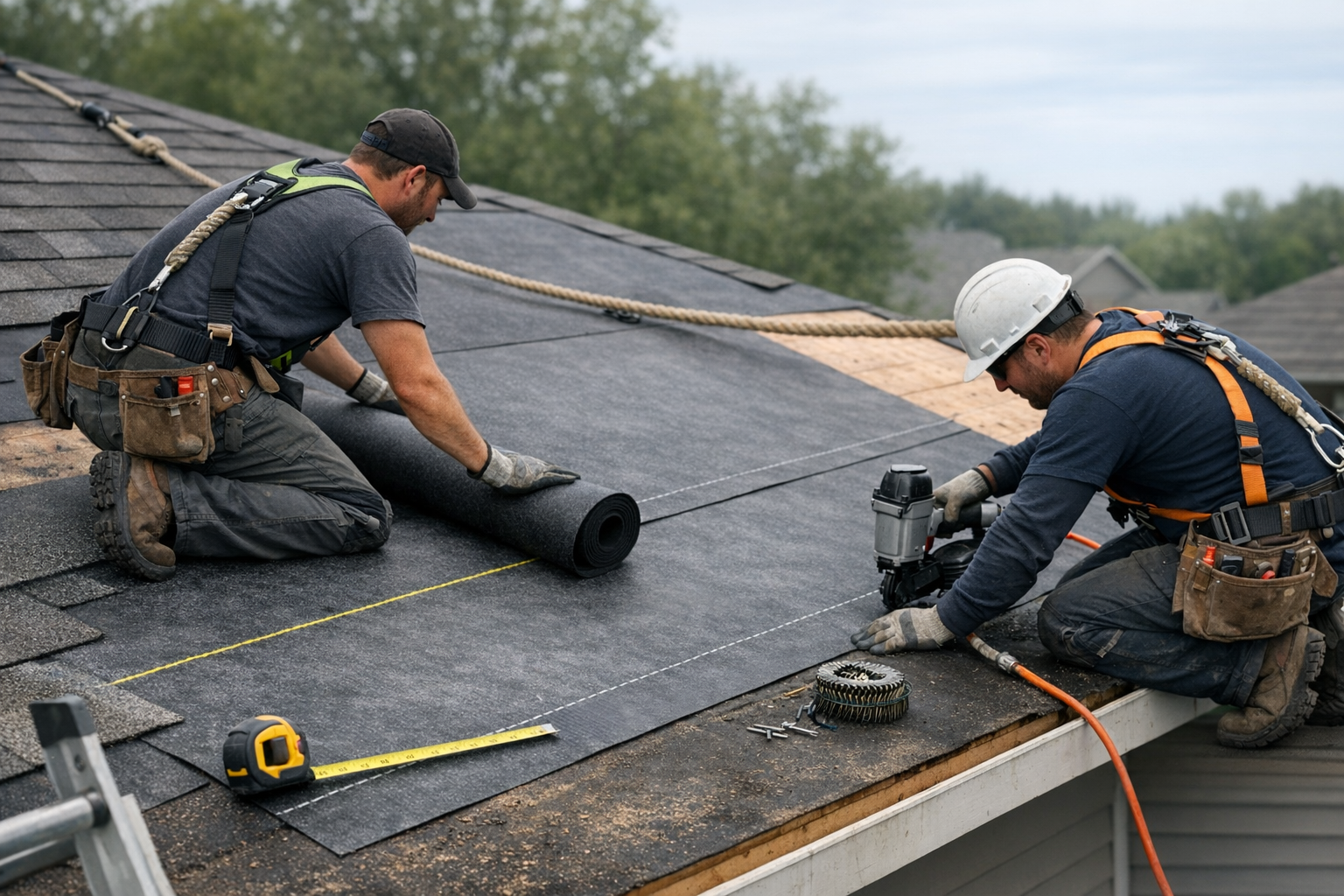
If you are new to commercial roofing, let me break this down clearly. TPO roofing stands for Thermoplastic Polyolefin roofing. It is a single-ply roofing membrane designed primarily for flat and low-slope roofs. The membrane comes in large sheets that are rolled out over insulation and either adhered, mechanically fastened, or ballasted in place.
In simple terms, TPO roofing is a flexible, waterproof layer that protects your building from rain, UV rays, and temperature changes. The seams are heat-welded together, which creates a continuous surface that resists leaks far better than many older flat roof systems.
I often explain it to building owners like this: imagine a heavy-duty, reinforced sheet that is custom-fitted to your roof, then fused together at the seams so water has nowhere to sneak in. That fusion process is one of the reasons TPO roofing has become so common in Washington.
For owners who just want a practical takeaway, here it is: TPO roofing is a modern flat roof solution known for energy efficiency, strong seams, and cost-effectiveness.
How a TPO Roof System Is Built (Membrane, Insulation, Attachment)
A complete TPO roofing system is more than just the white membrane you see from above. It typically consists of three primary components:
- Structural deck, often metal or concrete
- Insulation layer to meet energy code requirements
- TPO membrane, heat-welded at the seams
The membrane itself usually includes a reinforced scrim in the middle layer, which gives it tear strength and durability. Beneath it, rigid insulation boards create slope and improve thermal performance. In Washington, insulation thickness is often driven by energy code requirements, which I will cover later.
Attachment methods vary. Fully adhered systems use bonding adhesive. Mechanically attached systems use fasteners and plates. Ballasted systems use weight, such as pavers, to hold the membrane in place.
Understanding this layered assembly is critical. When someone says they have a TPO roof, they are really referring to a full roofing system, not just a surface sheet. Industry best practices for membrane roof systems, including insulation and attachment methods, are outlined in the NRCA Roofing Manual
TPO vs. Traditional “Flat Roof” Materials Washington Owners May Know (BUR, Modified Bitumen, EPDM)
Many Washington building owners are familiar with older systems like built-up roofing, modified bitumen, or EPDM. Each has strengths, but they behave differently in our climate.
Built-up roofing, often called tar and gravel, uses multiple asphalt layers. It is heavy and labor-intensive. Modified bitumen is asphalt-based with reinforcement, usually installed with heat or adhesive. EPDM is a black rubber membrane glued together at the seams.
Compared to those systems, TPO roofing offers:
- Heat-welded seams instead of glued seams
- A reflective white surface that reduces solar heat gain
- Lighter weight, which can reduce structural stress
- Cleaner installation with less odor and mess
For example, I often see older EPDM roofs in Western Washington with seam adhesive failures after years of moisture exposure. Heat-welded seams on TPO systems are generally more consistent when installed correctly.
Each material has a place, but TPO roofing has gained popularity because it balances cost, durability, and energy performance better than many legacy systems.
Quick Overview: Where TPO Roofing Is Most Common in Washington (DC, Seattle, Tacoma, Spokane, etc.)
TPO roofing is widely used across Washington, both in the Pacific Northwest and in Washington, DC.
In Western Washington cities like Seattle and Tacoma, flat and low-slope commercial roofs are common due to urban density and modern construction styles. TPO works well here because it handles heavy rainfall and moderate temperatures.
In Eastern Washington cities like Spokane, summers are hotter and winters can be colder. The reflective surface of TPO roofing helps reduce cooling loads in summer, while proper insulation beneath the membrane supports winter efficiency.
In Washington, DC, where humidity, summer heat, and winter storms all come into play, TPO roofing has become a go-to option for office buildings, retail properties, multifamily housing, and institutional buildings.
If you look across these regions, the pattern is clear: wherever flat roofs and mixed climates intersect, TPO roofing tends to follow.
How Washington’s Climate Affects Your Roof (and Where TPO Fits In)
Weather Realities: Rain, Snow, Wind, UV, and Temperature Swings in Washington
Washington weather is not gentle on roofs. In Western areas, heavy rainfall and persistent moisture are constant concerns. In Eastern areas, you see hotter summers, stronger UV exposure, and sharper temperature swings. In Washington, DC, humidity and summer heat combine with winter snow and ice.
Your roof must handle:
- Prolonged rain and standing water
- Snow loads and freeze-thaw cycles
- Wind uplift during storms
- UV radiation that breaks down materials over time
I have seen roofs fail not because of age, but because they were not designed for these combined stresses. Flat roofs are especially vulnerable since water drains more slowly than on steep-slope systems.
TPO roofing is engineered with flexibility in mind. It expands and contracts with temperature changes and resists UV degradation better than many asphalt-based materials.
Why Flat and Low-Slope Roofs Are Especially Vulnerable in This Climate
Flat and low-slope roofs do not shed water quickly. Even well-designed systems can experience temporary ponding after heavy rain. In Washington’s wetter regions, that is a serious design consideration.
When water sits on a roof for extended periods, it increases the risk of leaks, membrane breakdown, and seam failure. Over time, minor installation defects can turn into significant moisture intrusion.
Low-slope roofs also collect debris. Leaves, branches, and dirt can clog drains and scuppers. That is why maintenance is not optional in this climate.
TPO roofing, when properly sloped and drained, performs well under these conditions. The key phrase here is properly installed. No roofing system can overcome poor drainage design.
How TPO Roofing Is Engineered to Handle Moisture, UV, and Thermal Movement
Modern TPO roofing membranes are designed to resist UV radiation and remain flexible in both hot and cold conditions. The reflective surface reduces heat absorption, while the reinforced core adds dimensional stability.
Heat-welded seams are one of the biggest advantages. Instead of relying on adhesives that can degrade in wet environments, installers fuse the sheets together using hot air welding. This creates a monolithic surface that resists water intrusion.
For example, in areas with frequent rainfall, glued seams can slowly separate if exposed to standing water. Properly welded TPO seams, on the other hand, form a bond that is often stronger than the membrane itself.
When I evaluate roofs in Washington, I pay close attention to seam integrity and flashing details. That is where climate stress shows up first.
Local Code, Energy, and Stormwater Considerations Washington Owners Should Know
Energy codes in Washington often require higher insulation R-values than older buildings were designed for. When installing TPO roofing, insulation thickness must meet current standards.
Stormwater management is another major issue, especially in urban areas. Roof drains, overflow systems, and slope design must comply with local regulations. Failing to account for this can lead to costly redesigns. Building codes require roofing materials and systems to meet strict performance and safety standards for weather exposure and durability.
Reflective roofing can also help with compliance in jurisdictions that encourage cool roof performance. TPO roofing, particularly in white or light gray, often supports these goals.
If you own a commercial building, it is critical to ensure your roofing system aligns with both structural requirements and local building codes. The membrane is just one piece of that puzzle.
Is TPO Roofing Worth It? Core Pros and Cons for Washington Buildings
Key Advantages of TPO Roofing in Washington’s Mixed, Often Wet Climate
From my experience, the biggest advantages of TPO roofing in Washington include:
- Strong heat-welded seams
- Reflective surface for energy efficiency
- Competitive installation cost
- Lightweight system with design flexibility
In wet regions, seam strength is critical. In hotter regions, reflectivity becomes more important. TPO roofing offers both in one system.
It is also adaptable. Whether you are covering a retail plaza in Seattle or a warehouse in Spokane, TPO can be customized with different insulation levels and attachment methods.
Honest Limitations and Risks of TPO Systems If Installed or Maintained Poorly
No roofing system is perfect. TPO roofing can fail prematurely if seams are poorly welded, if insulation is improperly fastened, or if flashing details are sloppy.
I have seen cases where contractors rushed installation, leading to seam voids that only became visible years later. Foot traffic damage near rooftop equipment is another common issue.
Maintenance neglect is also a factor. Drains clogged with debris can cause ponding that stresses the membrane.
The takeaway is simple: TPO roofing is only as good as its design, installation, and upkeep.
When TPO Is Clearly Worth the Investment and When Another Material Might Be Better
TPO roofing is clearly worth it when:
- You have a flat or low-slope roof
- Energy efficiency is a priority
- Budget matters but durability cannot be compromised
- Chemical exposure is limited
However, if your building has heavy chemical exhaust, such as certain industrial operations, another membrane with higher chemical resistance may be more appropriate.
Metal roofing may also make more sense for steep-slope architectural designs where appearance is a primary driver.
Choosing the right system starts with understanding your building’s function, not just comparing price per square foot.
How Long a TPO Roof Realistically Lasts in Washington vs. Manufacturer “Brochure” Claims
Manufacturers often advertise lifespans of 20 to 30 years. In real-world Washington conditions, I consider 20 to 25 years a reasonable expectation with proper maintenance.
Poor installation can cut that nearly in half. On the other hand, well-installed and regularly inspected TPO roofing systems can exceed two decades of performance.
The difference comes down to seam quality, drainage design, insulation integrity, and proactive inspections.
If you want TPO roofing to reach its full lifespan, budget for annual inspections and minor repairs along the way. That is what protects your long-term investment.
Key Takeaways
- TPO roofing is a modern, single-ply membrane system popular for Washington's flat and low-slope roofs, offering strong heat-welded seams and energy-efficient, reflective surfaces.
- Washington’s varied climate—heavy rain, snow, UV exposure, and temperature swings—makes TPO roofing a resilient option, but proper installation and drainage design are crucial for long-term performance.
- TPO roofing balances cost, durability, and energy savings, with real-world lifespans of 20–25 years when well maintained, making it a strong investment for most commercial buildings but less ideal for those with high chemical exposure.
- Compliance with local energy codes and stormwater management requirements is essential; TPO systems can support these needs when paired with appropriate insulation and drainage solutions.
- The success and longevity of a TPO roof depend on quality installation, regular maintenance, and choosing the right system for your building’s specific needs and environment.
Frequently Asked Questions
1. What is TPO roofing and why is it popular for Washington buildings?
TPO roofing is a single-ply, thermoplastic membrane system designed for flat and low-slope roofs. It's popular in Washington because it offers strong, heat-welded seams, energy efficiency, and durability against rain and temperature swings common in the region.
2. How does Washington’s climate impact the performance of TPO roofing?
Washington’s mix of heavy rain, UV exposure, and temperature swings can challenge flat roofs. TPO roofing is engineered to handle moisture, resist UV damage, and expand or contract with temperature changes, making it a reliable choice for local weather conditions.
3. What are the main pros and cons of TPO roofing for buildings in Washington?
TPO roofing’s main advantages include energy-efficient reflectivity, strong seams, and competitive costs. However, it requires proper installation and maintenance; poor workmanship or neglect can lead to premature failures, especially with seams and drainage.
4. How long does TPO roofing typically last in Washington’s environment?
With quality installation and regular maintenance, TPO roofing generally lasts 20 to 25 years in Washington’s climate. Poor installation or lack of upkeep can significantly shorten its lifespan, so annual inspections are recommended to maximize durability.
5. When is TPO roofing the best choice, and when should another material be considered?
TPO roofing is ideal for flat or low-slope roofs where energy efficiency and cost matter. For buildings exposed to harsh chemicals or those with steep architectural slopes, alternative materials like PVC or metal may be better suited.
Protect your investment and ensure your building is ready for Washington’s unique climate with expert roofing services tailored to your needs. If you want reliable TPO roofing or are weighing options like metal roofing for your commercial property, now is the time to get straightforward answers and a customized solution. Schedule a consultation today to connect with our specialists and secure long-term performance for your roof.