
PVC Roofing: Best For Grease, Chemicals, And Rooftop Equipment
If your facility runs on grease-producing kitchens, harsh chemicals, or heavy rooftop equipment, your roof is either your strongest line of defense—or your biggest unseen liability. This article explains what PVC roofing is, why it outperforms TPO, EPDM, and metal in demanding industrial environments, and how choosing it can reduce leaks, protect production, lower lifecycle costs, and improve long-term ROI across your buildings.
What Is PVC Roofing and Why It Excels in Harsh Industrial Environments
Simple definition: What is PVC roofing?
PVC roofing is a single-ply roofing membrane made from polyvinyl chloride, a durable plastic material engineered for waterproofing and chemical resistance., a durable plastic material engineered for waterproofing and chemical resistance. In simple terms, it is a flexible sheet system that is installed over insulation and attached to a roof deck to create a watertight barrier.
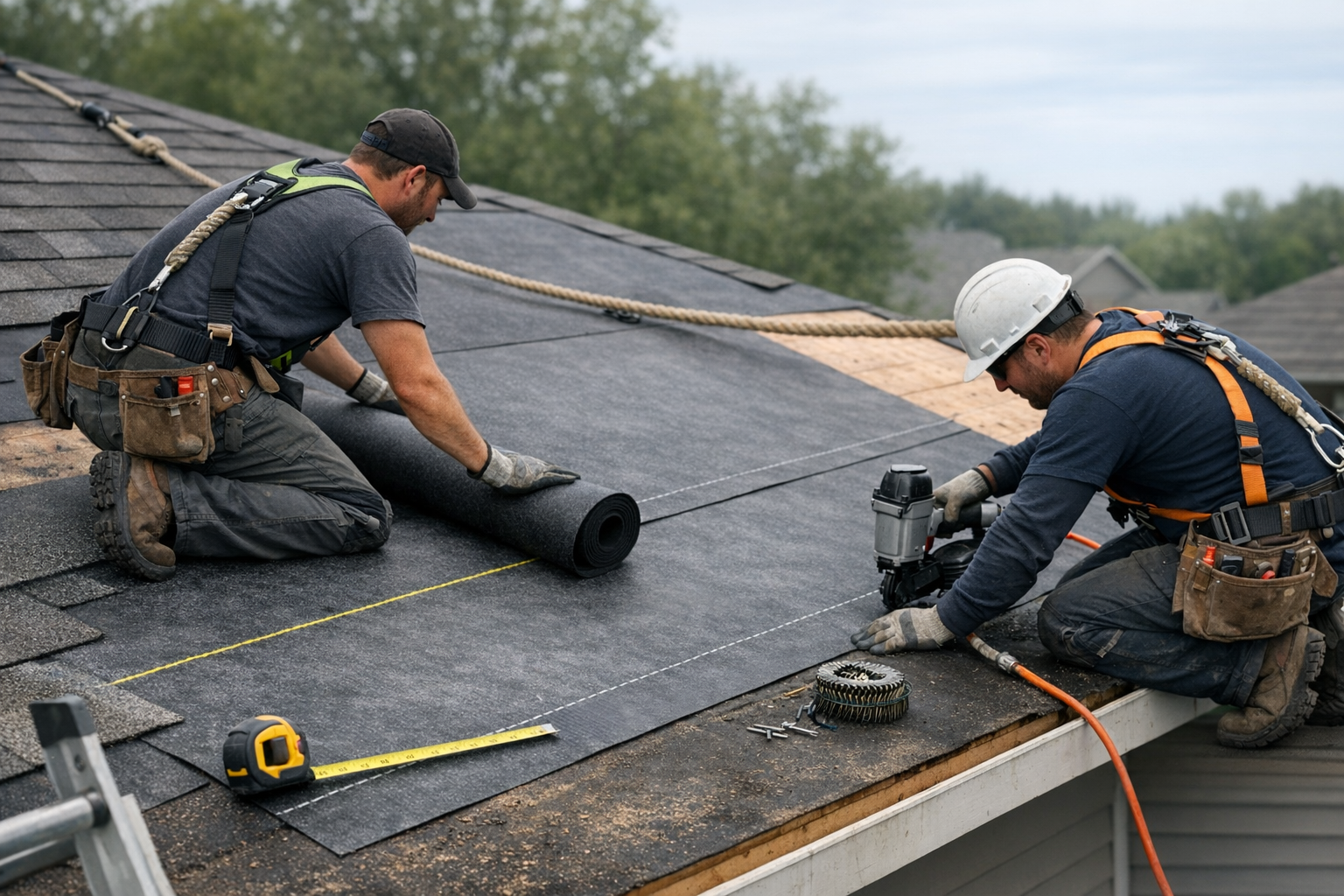
I often explain PVC roofing to facility owners this way: imagine a tough, reinforced liner that is heat-welded together at the seams so it behaves like one continuous sheet across your building. Unlike traditional built-up roofs with layers of tar and gravel, PVC is lightweight, precise, and manufactured for consistency.
Most PVC roofing systems are mechanically attached or adhered to the substrate. The seams are fused together with hot air, which creates a bond that is often stronger than the membrane itself. This seam technology is one of the reasons PVC roofing performs so well in environments where leaks simply cannot happen.
For industrial buildings that run 24-7, that level of reliability matters. A roof is not just protection from rain. It is a shield for production lines, inventory, refrigeration systems, and employees.
How PVC roofing is different from TPO, EPDM, and metal roofs
When comparing PVC roofing to other commercial roof systems like TPO, EPDM, or metal, the differences come down to chemistry, seam strength, and chemical resistance.
TPO and PVC are both white, reflective single-ply membranes.membranes. However, PVC roofing has a longer track record in grease and chemical-heavy environments. Its chemical formulation allows it to resist animal fats, oils, and industrial byproducts more effectively.
EPDM is a black rubber membrane.. It is flexible and cost-effective, but it is not heat-welded. Its seams are typically adhered with tape or adhesive, which can be a weak point over time, especially around rooftop equipment.
Metal roofs are structurally strong and long-lasting. However, they rely on mechanical seams and fasteners. Under rooftop equipment or in areas with chemical exhaust, corrosion and seam movement can become issues.
I always tell building owners that the best roof depends on use. If grease, chemicals, and constant rooftop traffic are part of your daily operations, PVC roofing often moves to the top of the list.
Key components of a PVC roofing system (membrane, insulation, fastening, drainage)
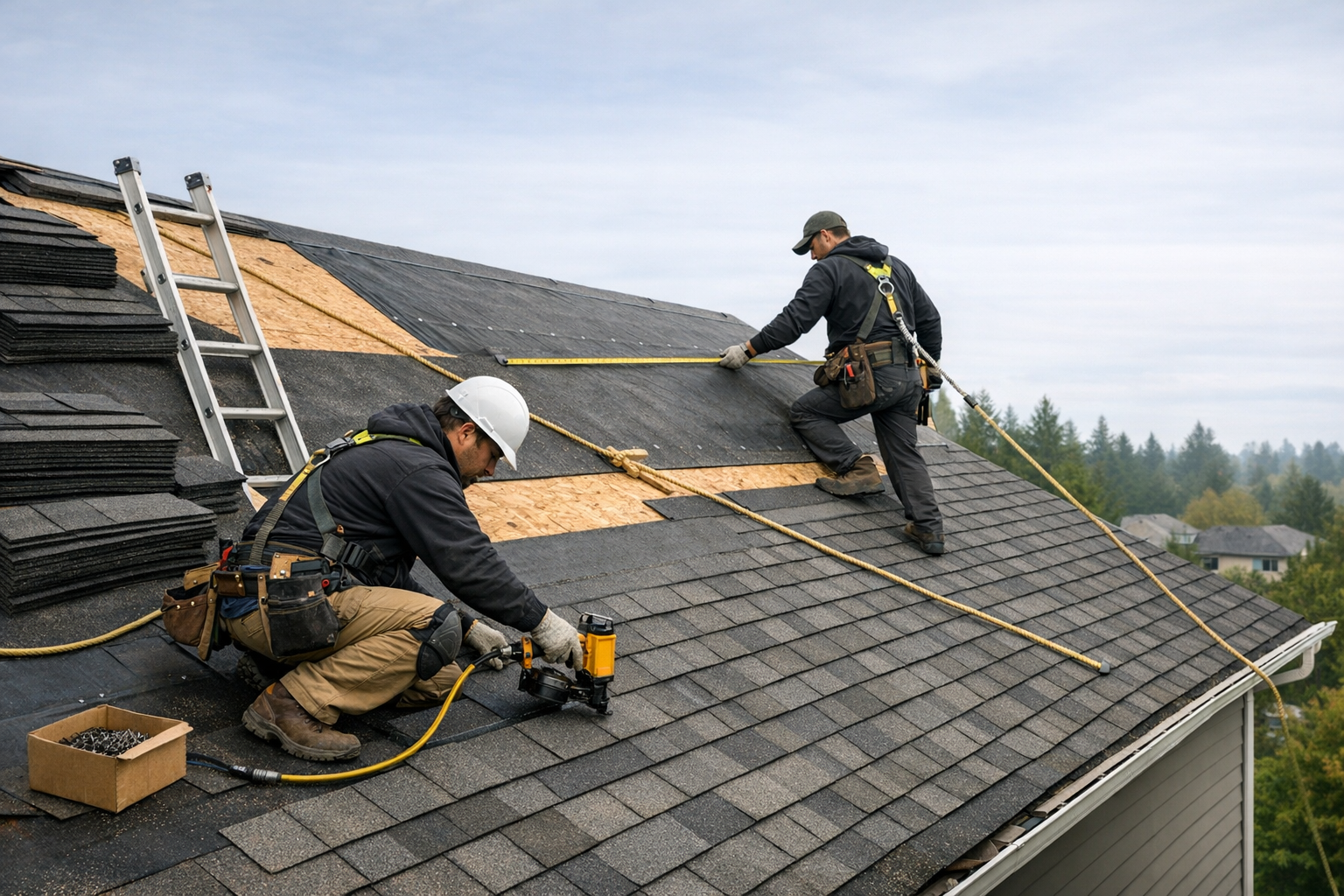
A high-performance PVC roofing system is more than just a membrane. It is a complete assembly engineered to work together.
The core components include:
- PVC membrane, reinforced for strength
- Insulation layers for thermal performance
- Fastening or adhesive systems
- Vapor barriers when required
- Engineered drainage, including tapered insulation and scuppers
The membrane provides waterproofing and chemical resistance. Insulation controls energy use and interior temperature stability. Fastening systems secure the assembly against wind uplift. Drainage prevents ponding water, which can accelerate wear and add structural load.
When I evaluate a roof, I never look at the membrane alone. I look at how the entire assembly manages moisture, temperature, and movement. That holistic approach is what separates a short-term fix from a long-term roofing strategy.
Why PVC roofing is ideal for industrial and commercial buildings, not just retail or offices
PVC roofing is often associated with retail stores or office buildings because of its white, reflective surface. In reality, its strongest performance advantage shows up in industrial settings.
Manufacturing facilities, food processing plants, distribution centers, and warehouses frequently deal with:
- Grease-laden exhaust
- Chemical discharge
- Heavy rooftop units
- Continuous operations
- Strict insurance requirements
In these environments, the roof is exposed to more than weather. It is exposed to process-related contaminants. PVC roofing is designed to resist those exposures.
I have seen facilities struggle with recurring leaks around exhaust fans because the wrong membrane was installed. When grease breaks down a roofing material, it does not matter how thick it is. The chemistry matters more. That is where PVC roofing stands apart.
Why PVC Roofing Is Best for Grease, Chemicals, and Rooftop Equipment
How PVC resists grease, oils, and animal fats better than other membranes
Grease and animal fats are some of the most aggressive contaminants a roof can face. Restaurants, food processors, and facilities with commercial kitchens discharge grease vapor that settles onto the roof surface.
PVC roofing is highly resistant to these substances. The plasticizers and chemical structure in PVC membranes are formulated to resist breakdown when exposed to oils and fats. Other membranes can absorb or degrade under similar conditions.
For example, EPDM can swell or soften when exposed to prolonged grease contact. Some thermoplastic membranes may show accelerated aging in contaminated areas. PVC roofing maintains its integrity longer under these conditions.
If your building has multiple kitchen hoods or grease exhaust fans, I strongly recommend considering PVC roofing as a first option. The cost of recurring repairs around grease-damaged membranes often exceeds the upfront investment difference.
Chemical resistance: What types of chemicals PVC roofing can stand up to
PVC roofing is known for its resistance to a wide range of chemicals, including:
- Animal fats and cooking oils
- Mild acids
- Alkalis
- Industrial cleaning agents
- Certain solvents
In manufacturing facilities, rooftop exhaust can release vapors that settle on the membrane. Over time, those vapors can break down unprotected materials. PVC roofing is engineered to handle many of these exposures without losing flexibility or waterproofing capability.
That does not mean it is immune to every chemical. Extremely aggressive solvents may require additional evaluation. This is why I always recommend a documented assessment of exhaust types and contaminants before finalizing system selection.
In most industrial applications, PVC roofing provides a strong balance of durability and chemical resistance that other single-ply systems struggle to match.
Puncture and impact resistance under heavy rooftop equipment
Industrial roofs often support large rooftop units, chillers, conveyors, and exhaust systems. These add weight and increase foot traffic for maintenance crews.
PVC roofing membranes are reinforced, typically with polyester or fiberglass scrim, to improve puncture resistance. When properly installed over rigid insulation and protected with walk pads, they hold up well under routine service traffic.
I have seen roofs fail not because of membrane weakness, but because traffic paths were not protected. A properly designed PVC roofing system includes reinforced areas around equipment and designated walkways.
In high-traffic zones, we often specify thicker membranes or additional protection layers. This proactive approach reduces long-term maintenance costs and extends service life.
Heat-welded seams: Why seam integrity matters around equipment and penetrations
One of the biggest advantages of PVC roofing is its heat-welded seams. Hot air welding fuses membrane sheets together at a molecular level.
This matters most around penetrations, including:
- Equipment curbs
- Vent stacks
- Exhaust fans
- Duct supports
Adhered seams rely on glue or tape. Over time, adhesives can weaken. Heat-welded seams, when properly installed, create a monolithic surface that resists water infiltration.
In my experience, seam failure is a leading cause of leaks in many commercial roofs. PVC roofing reduces that risk when installed by trained, certified crews who understand welding temperatures and testing protocols.
Real-world scenarios: Manufacturing, food processing, and warehouses
In food processing plants, grease discharge is constant. PVC roofing performs well because it resists fat buildup and chemical cleaning residues.
In manufacturing facilities, chemical vapors and rooftop machinery are common. The durability and weldable nature of PVC make it easier to detail complex penetrations.
In warehouses, especially those with refrigeration or temperature-sensitive storage, the reflective surface and insulation pairing of PVC roofing helps maintain stable interior conditions.
Across these environments, the common theme is operational reliability. When production cannot stop, the roof system must perform consistently.
Understanding the Risks: What Happens When You Choose the Wrong Roof System
Why standard roofing fails under grease and chemical exposure
Standard roofing systems may perform adequately in low-exposure environments. However, when exposed to grease or chemicals, they can deteriorate quickly.
Grease can soften certain membranes. Chemicals can break down protective coatings. Once the surface integrity is compromised, water infiltration follows.
I have evaluated facilities where localized membrane deterioration around exhaust fans spread outward over time. What began as minor surface damage eventually led to insulation saturation and deck corrosion.
Selecting a roof without considering contaminants is one of the most common and costly mistakes I see.
Common failures around rooftop units, ducts, and penetrations
Rooftop units create stress points in any roofing system. Movement, vibration, and foot traffic concentrate around these areas.
Common failures include:
- Cracked flashing
- Loose fasteners
- Seam separation
- Punctures from tools or dropped parts
If seams are not heat-welded or properly reinforced, leaks often begin at penetrations. PVC roofing, when detailed correctly, offers stronger seam integrity and more reliable flashing performance.
Water intrusion, corrosion, and interior damage risks
When water enters a roofing system, it does not stay isolated. It travels through insulation, saturates decks, and can corrode structural components.
Interior risks include:
- Damaged inventory
- Mold growth
- Electrical hazards
- Production downtime
For facilities with sensitive equipment, even minor leaks can trigger significant repair costs. That is why system selection should be based on risk tolerance, not just price per square foot.
How roof system failures impact production, safety, and insurance
Roof failures do more than cause leaks. They can interrupt operations, increase insurance claims, and raise premiums.
Insurers and lenders often require documented roofing assemblies with defined warranties. PVC roofing systems, when installed according to manufacturer specifications, can meet strict compliance standards.
From a risk management perspective, choosing a chemically resistant, weldable membrane like PVC roofing reduces long-term uncertainty.
Cost, ROI, and Lifecycle: Is PVC Roofing Worth the Investment?
Upfront cost ranges vs. expected service life for PVC roofing
PVC roofing typically has a higher upfront cost than some basic membrane systems. However, it also offers a longer expected service life when properly installed and maintained.
Depending on thickness, insulation package, and warranty level, PVC roofing systems often perform reliably for 20 to 30 years or more.
When I discuss budgets with facility owners, I encourage them to look beyond installation cost. The real question is cost per year of service life.
How reduced leaks, fewer shutdowns, and energy savings add up
The financial return of PVC roofing shows up in avoided problems.
Consider the cumulative impact of:
- Fewer emergency leak repairs
- Reduced interior damage
- Lower maintenance labor
- Energy savings from reflective surfaces
- Extended replacement cycles
For facilities operating around the clock, avoiding even one unplanned shutdown can offset a meaningful portion of the roof investment.
Comparing lifecycle costs of PVC vs. metal and other membranes
Metal roofs can last decades structurally, but may require coating maintenance and fastener replacement. EPDM may have lower initial cost but higher risk in grease environments. TPO can be competitive, but may not match PVC in chemical resistance.
Lifecycle cost analysis should include:
- Installation
- Maintenance
- Repair frequency
- Energy impact
- Replacement timing
In many grease-heavy or chemical environments, PVC roofing delivers a favorable long-term value because it reduces exposure-related deterioration.
Budgeting for phased upgrades across multiple buildings or campuses
For multi-building campuses, replacing every roof at once may not be practical. I often recommend phased planning.
Start with buildings that have:
- High chemical exposure
- Repeated leak history
- Aging membranes
- Critical operations
Develop a multi-year capital plan that prioritizes risk reduction. PVC roofing can be integrated gradually, aligning with budget cycles while improving overall asset performance.
When viewed strategically, PVC roofing is not just a material choice. It is a long-term operational investment in durability, compliance, and risk control.
Key Takeaways
- PVC roofing excels in industrial environments due to its superior resistance to grease, chemicals, and heavy rooftop equipment, outperforming TPO, EPDM, and metal in these demanding conditions.
- Heat-welded seams and reinforced membranes make PVC roofing highly reliable against leaks and punctures, especially around rooftop units and penetrations common in manufacturing and food processing facilities.
- Choosing the wrong roof system for grease- or chemical-exposed buildings can lead to costly leaks, interior damage, and production downtime, emphasizing the importance of material selection based on risk factors.
- Although PVC roofing has a higher upfront cost, its 20–30 year service life, reduced maintenance needs, and energy savings result in a favorable long-term return on investment for commercial and industrial buildings.
- Phased implementation of PVC roofing across multi-building campuses allows facilities to prioritize risk reduction and asset protection while aligning upgrades with budget cycles and operational needs.
Frequently Asked Questions
1. What is PVC roofing and how does it work?
PVC roofing is a single-ply membrane made from polyvinyl chloride, designed for waterproofing and chemical resistance. It’s installed over insulation and attached to the roof deck, with seams heat-welded for a durable, leak-resistant barrier ideal for demanding environments.
2. Why is PVC roofing better for grease and chemical exposure than other roofing types?
PVC roofing outperforms TPO, EPDM, and metal roofs in environments with grease, oils, and chemicals because its chemical structure resists breakdown and its seams are heat-welded, providing superior protection where leaks and membrane deterioration are common.
3. How does PVC roofing handle heavy rooftop equipment and frequent foot traffic?
PVC membranes are reinforced for puncture resistance and perform well under heavy rooftop units and regular maintenance traffic, especially when walk pads and thicker membranes are specified in high-traffic areas, reducing long-term damage and repair needs.
4. What are the main components of a PVC roofing system?
A complete PVC roofing system includes a reinforced PVC membrane, insulation for thermal control, fastening or adhesive systems, vapor barriers if needed, and engineered drainage to prevent ponding and manage water efficiently across the roof surface.
5. Is PVC roofing worth the higher upfront cost for commercial and industrial buildings?
Yes, PVC roofing’s higher initial investment is often justified by its long service life, reduced leaks, lower maintenance, and superior chemical resistance, leading to a lower cost per year and fewer disruptions for facilities exposed to grease, chemicals, or heavy equipment.
Protect your facility and boost your bottom line with PVC roofing solutions engineered for demanding industrial environments. If you are ready to minimize leaks, reduce maintenance costs, and ensure your roof stands up to grease, chemicals, and heavy equipment, contact us for expert roofing services tailored to your operation’s needs. Take the first step toward long-term reliability— schedule a consultation with our team today.