
GAF Timberline HDZ: Why Homeowners Choose It In The PNW
If you own a home in the Pacific Northwest, your roof quietly faces rain, shade, moss, wind, and debris that can quickly expose weak or generic shingles. This article explains what GAF Timberline HDZ is, how it performs in real PNW conditions, how it compares to other roofing options, and exactly how to choose, install, and maintain it so you get 25–30 years of protection, curb appeal, and warranty-backed peace of mind.
What Is GAF Timberline HDZ and Why It Matters in the PNW
What is GAF Timberline HDZ in simple terms?
In simple terms, GAF Timberline HDZ is a premium architectural asphalt shingle designed to protect your home from weather while improving curb appeal. It is thicker and more dimensional than older-style shingles, and it is built with reinforced nailing zones and algae-resistant granules for long-term durability.
When homeowners ask me what makes it different, I explain it like this: it is the “standard upgrade” from basic roofing. Instead of flat, uniform strips, you get a layered shingle that looks more like natural wood shake, but without the maintenance headaches. It is engineered to handle wind, moisture, and long-term exposure in climates like ours.
In the Pacific Northwest, that matters. We do not just get rain. We get months of moisture, long stretches of shade, moss growth, and occasional high-wind storms. A roof here needs to do more than just shed water. GAF Timberline HDZ is built with those realities in mind, which is why it has become one of the most commonly installed architectural shingles in our region.
Architectural vs. 3-tab shingles: where Timberline HDZ fits
If you are comparing shingle types, you will usually hear about 3-tab shingles and architectural shingles. The difference is structural and visual.
3-tab shingles are flat, single-layer strips. They are lighter, less expensive, and generally rated for lower wind speeds. Architectural shingles, like GAF Timberline HDZ, are laminated. That means they are made of multiple layers bonded together. This gives them added thickness, strength, and a more dimensional look.
In the PNW, I rarely recommend 3-tab shingles for full roof replacements. The upfront savings often disappear when wind damage, curling, or early wear sets in. Architectural shingles hold up better to our wet winters and fluctuating temperatures. GAF Timberline HDZ fits squarely in this architectural category, offering a balance of cost, durability, and appearance that works well for most homes.
You can review the full specifications and warranty terms directly on GAF's official Timberline HDZ product page, including current eligibility for the WindProven Limited Wind Warranty and FORTIFIED Roof compliance.
Why shingle brand and model matter more in the Pacific Northwest
In dry climates, many shingles perform similarly for the first decade. In the Pacific Northwest, the differences show up faster.
- 150 or more rainy days per year in some areas
- Extended shade from tall trees
- Moss and algae growth
- Wind-driven rain during winter storms
In that environment, granule quality, sealant strength, and algae resistance are not minor features. They directly affect how long your roof looks clean and performs properly. GAF Timberline HDZ includes advanced algae protection and a wide nailing zone that reduces installation error, both of which are important in our climate.
I always tell homeowners this: your roof is not just shingles. It is a system. But the shingle you choose is the exposed layer that takes the beating. Picking a well-engineered model like GAF Timberline HDZ makes a real difference over 20 to 30 years in the PNW.
How GAF Timberline HDZ compares to a “generic” architectural shingle
Not all architectural shingles are equal. On paper, many advertise similar wind ratings and lifespan ranges. In reality, small design differences add up.
A generic architectural shingle may have:
- A narrower nailing zone
- Shorter algae-resistance coverage
- Less consistent granule adhesion
- Fewer color options
GAF Timberline HDZ stands out because of its reinforced nailing strip and its extended algae-resistance warranty. That wide nailing zone helps reduce the risk of improper installation, which is one of the leading causes of shingle failure.
From my experience, when homeowners choose purely on price, they often end up with a product that looks similar at first but ages faster. In the PNW, moisture and moss expose weaknesses quickly. Paying attention to model, not just brand, is one of the smartest decisions you can make.
How GAF Timberline HDZ Handles Classic PNW Roof Challenges
Seattle, Portland, and coastal PNW climate: rain, shade, moss, and wind
Our climate is unique. We have steady rainfall, cool temperatures, and heavy tree cover in many neighborhoods. Roofs often stay damp for days at a time, especially on north-facing slopes.
Rain alone is not the biggest problem. It is the combination of rain and shade. When sunlight cannot dry the surface quickly, organic growth thrives. Add wind-driven storms coming off the coast, and your roof faces repeated stress cycles throughout the year.
GAF Timberline HDZ is built as a laminated architectural shingle, which improves water shedding and dimensional stability. When properly installed with correct underlayment and flashing, it performs well under these typical PNW conditions. The key is pairing the product with proper ventilation and maintenance.
Why moss and algae are worse here than in drier regions
Moss needs moisture, shade, and organic debris. The Pacific Northwest offers all three. Pine needles, leaves, and tree sap create the perfect environment for growth.
Algae often shows up first as dark streaks. Moss follows if moisture remains trapped. In dry states, homeowners may never deal with this level of biological growth. Here, it is almost guaranteed over time.
GAF Timberline HDZ includes StainGuard Plus technology that resists algae staining for up to 25 years under its limited warranty. That does not make it moss-proof, but it slows the early stages of discoloration. In my experience, that extra protection matters most in heavily shaded neighborhoods.
Wind, storms, and tree debris: real-world loads on PNW roofs
We do not see constant hurricane-force winds, but we do get seasonal gusts that test roofing systems. Exposed ridgelines and homes near water can experience significant uplift pressure.
GAF Timberline HDZ carries a 130 mph wind rating when installed according to manufacturer guidelines. For most PNW homes, that is more than sufficient. The reinforced nailing zone helps shingles stay in place during storm events.
Tree debris is another issue. Branches, cones, and falling limbs create impact stress. While standard architectural shingles are not Class 4 impact-rated, they handle typical debris well when properly installed and maintained.
How long a GAF Timberline HDZ roof realistically lasts in the PNW
Homeowners often ask, “How long will it really last here?” The honest answer is 25 to 30 years with proper installation and maintenance.
Ventilation plays a huge role. Poor attic airflow traps moisture and heat, shortening lifespan. Regular moss treatment and debris removal also extend roof life significantly.
I have seen well-maintained architectural shingle roofs in the PNW perform near the top of their expected lifespan. I have also seen neglected ones deteriorate early. The product matters, but care and installation quality matter just as much.
GAF Timberline HDZ Technology Explained (Without the Jargon)
The laminated architectural construction: strength and curb appeal
GAF Timberline HDZ is built in layers. Instead of a single flat strip, it uses a laminated design that adds thickness and rigidity.
This layered construction improves durability. It also creates deeper shadow lines, giving the roof a more dimensional, high-end appearance. Many homeowners choose it partly for this reason alone.
From the street, the difference is noticeable. The roof looks textured and substantial rather than flat. That visual upgrade can make an older home feel newer and better maintained.
The LayerLock system and wide nailing zone: fewer installation errors
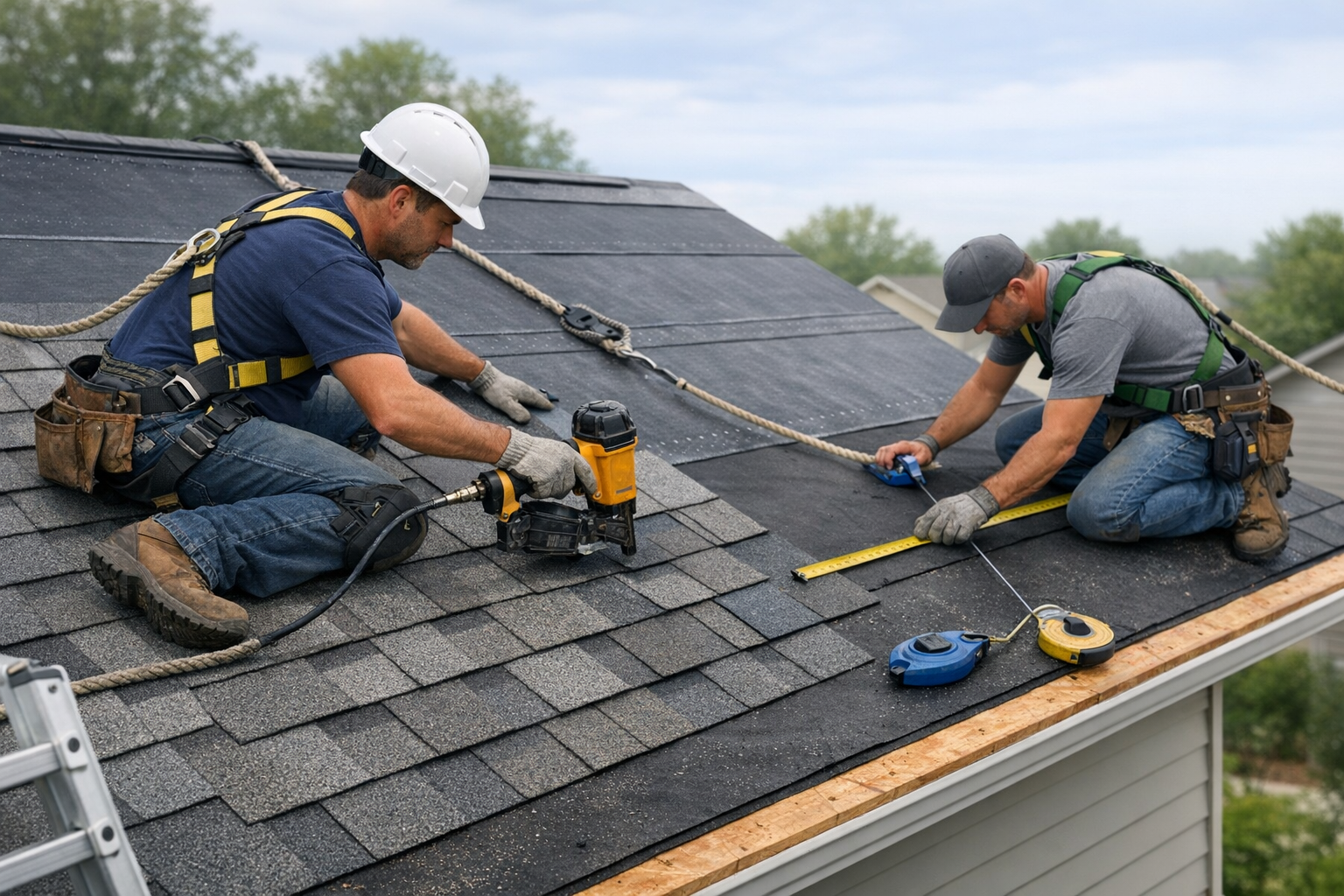
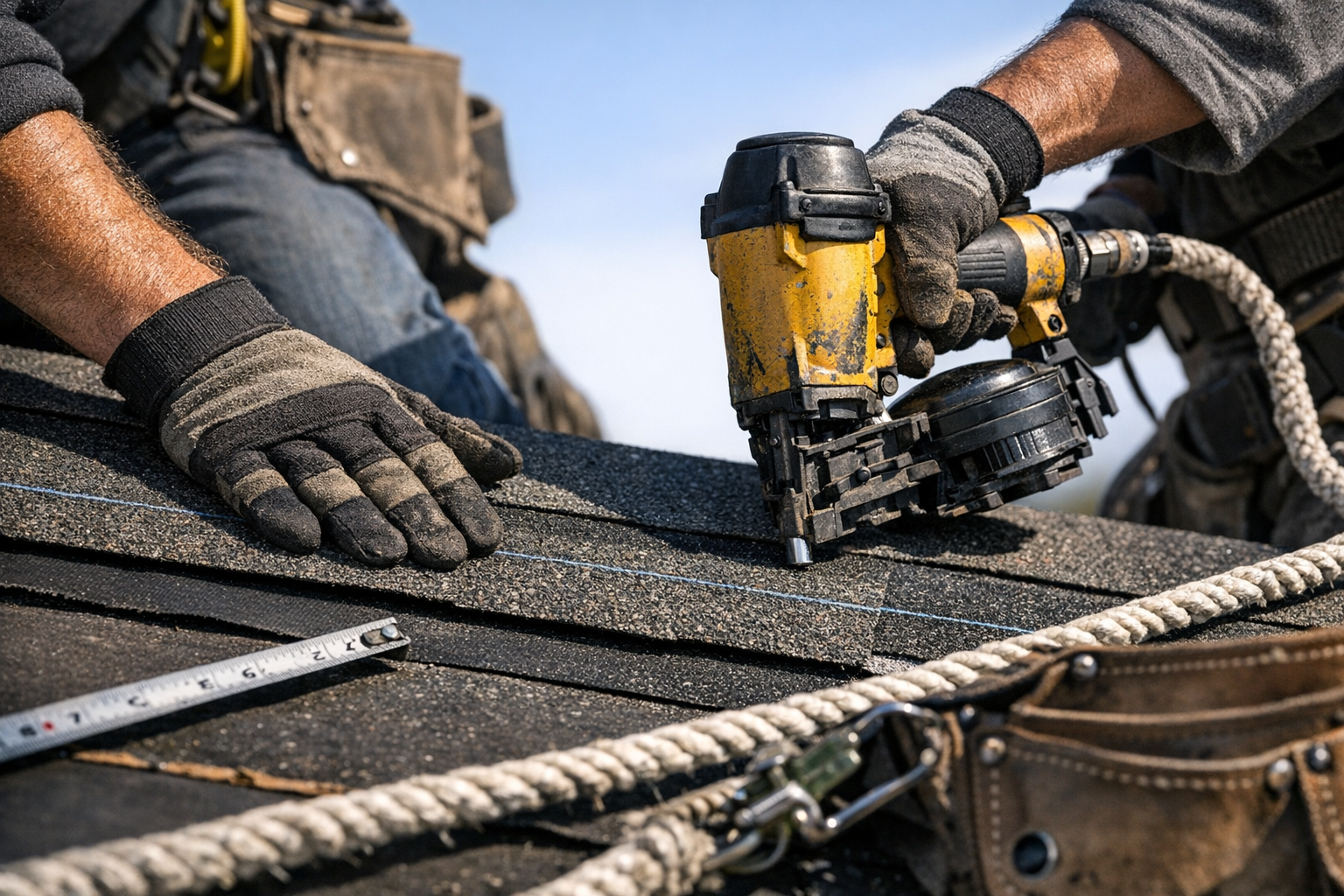
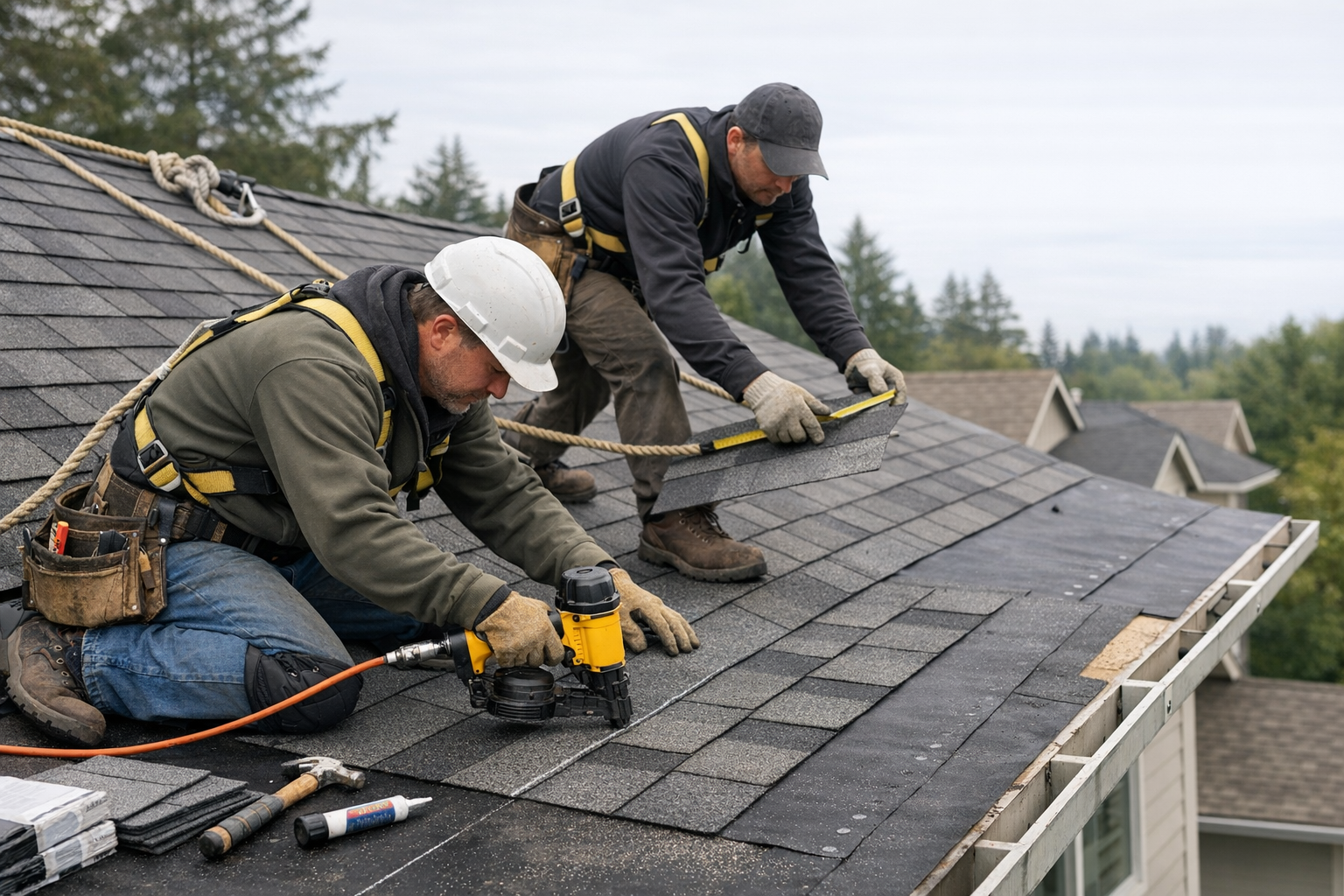
One of the most practical features of GAF Timberline HDZ is its wide nailing zone. This design helps contractors place fasteners accurately and consistently.
Improper nail placement is a common cause of wind damage. If nails are too high or too low, shingles can loosen over time. The reinforced strip reduces that risk.
In simple terms, it helps good installers be consistent and reduces the chance of mistakes. In a region where wind and moisture are constant factors, that extra margin of safety matters.
The 130 mph wind rating: what it means and when it matters
A 130 mph wind rating means the shingle has been tested to withstand high uplift forces when installed correctly. It does not mean your roof is invincible, but it provides a strong baseline.
In the PNW, this rating is more than adequate for most residential properties. Homes on exposed hillsides or near open water benefit most from this level of wind resistance.
The key phrase is “when installed correctly.” The rating depends on proper fastener placement, starter strips, and ridge cap installation.
How HDZ granules create the “high-definition” look many homeowners want
The “HD” in GAF Timberline HDZ refers to its high-definition color blends. The granules are designed to create contrast and depth.
Instead of a flat color, you get subtle variations that enhance shadow lines. This helps the roof complement siding, trim, and landscaping.
In our often-cloudy PNW light, these blended tones prevent the roof from looking dull or washed out. It keeps visual interest even on overcast days.
Algae, Moss, and Moisture: Why StainGuard Plus Is a Big Deal Here
What StainGuard Plus is and how it resists algae growth
StainGuard Plus is a granule technology built into GAF Timberline HDZ. It uses specially designed granules that release algae-fighting properties over time.
Algae stains often appear as black streaks. These are not just cosmetic. They signal biological growth taking hold on your roof surface.
By slowing algae growth, StainGuard Plus helps maintain appearance and extends the clean look of the roof. In the PNW, that can make a visible difference within the first decade.
25-year algae-resistance warranty vs. typical 10–15-year coverage
Many architectural shingles offer 10 to 15 years of algae-resistance coverage. GAF Timberline HDZ offers a 25-year limited algae warranty.
That longer coverage period reflects confidence in the granule technology. It also aligns better with how long homeowners typically keep their roofs.
In shaded PNW neighborhoods, where discoloration can appear early, that extended warranty provides additional peace of mind.
Why a longer algae warranty matters specifically in wet, shaded PNW neighborhoods
In sunnier climates, algae may be less aggressive. Here, it is persistent. Roof slopes that face north or sit under heavy tree canopy rarely dry fully in winter.
A longer algae warranty does not eliminate maintenance. It does, however, indicate stronger built-in resistance during the years when growth pressure is highest.
If your home has a history of dark streaking or moss buildup, GAF Timberline HDZ becomes an even more logical choice.
What StainGuard Plus can’t do: realistic expectations about moss and maintenance
No asphalt shingle is moss-proof. StainGuard Plus targets algae, not thick moss mats.
Moss thrives in debris-filled valleys and shaded areas. You still need periodic cleaning and possibly zinc or chemical treatments.
Setting realistic expectations is important. GAF Timberline HDZ gives you strong algae resistance, but long-term performance in the PNW always includes routine maintenance.
GAF Timberline HDZ vs. Other PNW Roofing Options
GAF Timberline HDZ vs. IKO Cambridge and Nordic in the PNW
When comparing architectural shingles in the Pacific Northwest, GAF Timberline HDZ is often measured against IKO Cambridge and, for impact resistance, IKO Nordic.
At a baseline level, Timberline HDZ and Cambridge are both laminated architectural shingles with similar wind ratings. In real-world PNW conditions, they both perform well when properly installed. The key differences show up in algae-resistance coverage and certain design features. GAF Timberline HDZ includes a 25-year limited algae-resistance warranty through StainGuard Plus, which is longer than the typical 10 to 15 years offered on many competing architectural lines. In shaded, moss-prone neighborhoods, that longer coverage can be meaningful.
IKO Nordic steps into a different category because it carries a Class 4 impact rating. If your home sits under heavy tree cover where falling branches are common, or if you are concerned about hail, Nordic may be worth considering. For most standard PNW suburban homes, though, GAF Timberline HDZ hits the sweet spot of cost, durability, and algae resistance without moving into premium pricing tiers.
GAF Timberline HDZ vs. GAF ArmorShield II (Class 4 impact)
Within the same manufacturer lineup, homeowners sometimes compare GAF Timberline HDZ to GAF ArmorShield II. The main distinction is impact resistance.
ArmorShield II is a Class 4 impact-rated shingle. That means it has been tested to withstand severe impact, such as hail. If you live in an area with frequent hailstorms or have insurance incentives tied to Class 4 roofing, that upgrade can make sense.
However, in much of the PNW, hail is occasional rather than frequent. For many homeowners, GAF Timberline HDZ provides more than enough protection against common storm debris and wind. I usually recommend evaluating your specific exposure. If impact is not a top concern, HDZ remains a strong and cost-effective architectural shingle choice.
Asphalt shingles vs. metal roofing for PNW homes
Another common question I hear is whether to choose asphalt shingles like GAF Timberline HDZ or switch to metal roofing.
Metal roofs offer longer lifespans and excellent shedding of rain and snow. They also resist moss better because of their smoother surface. However, they come with higher upfront costs and a different aesthetic that does not suit every neighborhood.
Asphalt shingles remain the most popular roofing material in the PNW because they balance affordability, durability, and appearance. GAF Timberline HDZ, in particular, provides a high-definition architectural look with strong wind and algae resistance at a price point that works for most households. For homeowners planning to stay long term and wanting maximum lifespan, metal can be worth exploring. For many others, HDZ delivers reliable performance without a major budget jump.
When Timberline HDZ is the “default” choice and when you might upgrade or switch
In my experience, GAF Timberline HDZ is the default recommendation for standard residential roof replacements in the Pacific Northwest. It covers the most common concerns: wind, moisture, algae, curb appeal, and warranty strength.
You might consider upgrading to a Class 4 impact shingle if you have heavy tree exposure or insurance incentives. You might switch to metal if you want a 40 to 50-year material lifespan and are comfortable with the higher initial investment.
But for the majority of homes with typical shade, moderate storm exposure, and a 20 to 30-year planning horizon, GAF Timberline HDZ remains the practical and well-balanced option.
Benefits of Choosing GAF Timberline HDZ for Your Pacific Northwest Home
Curb appeal benefits: color depth, shadow lines, and resale value
A roof makes up a significant portion of your home’s visible exterior. The dimensional design of GAF Timberline HDZ adds depth through layered construction and blended granules.
These shadow lines create a more dynamic appearance, even under cloudy PNW skies. Instead of a flat surface, the roof has texture and contrast. That can elevate the look of both traditional and modern homes.
From a resale perspective, buyers notice a newer architectural shingle roof. It signals maintenance and investment in the property. While a roof alone does not guarantee a higher sale price, strong curb appeal combined with a transferable warranty can improve buyer confidence.
Performance benefits: wind, moisture shedding, and dimensional stability
Performance is where GAF Timberline HDZ earns its reputation. The laminated structure improves dimensional stability, helping shingles resist warping and lifting.
The 130 mph wind rating, when installed correctly, provides reassurance during winter storm season. Proper sealing between courses reduces the risk of uplift.
Moisture shedding depends on the entire roofing system, but the thickness and design of HDZ shingles support effective drainage. In the PNW, where rainfall is frequent, that reliability is critical.
Warranty benefits: how Timberline HDZ unlocks stronger GAF coverage
One overlooked advantage of choosing GAF Timberline HDZ is access to enhanced warranty tiers when installed by certified contractors.
Homeowners can qualify for extended material coverage and, at higher certification levels, labor-backed warranties. This creates layered protection: product performance plus installation accountability.
Understanding warranty tiers before installation is important. Registration, ventilation compliance, and proper documentation all play a role in keeping that coverage valid.
Long-term cost benefits vs. cheaper shingles that fail early in our climate
Cheaper shingles can look attractive during the bidding process. However, in the PNW, early failure often shows up as curling, algae staining, or wind damage.
If a lower-cost shingle needs replacement five to seven years earlier, the savings disappear quickly. GAF Timberline HDZ offers a stronger balance between upfront cost and long-term durability.
When I help homeowners compare options, I encourage them to think in 25-year terms, not just initial price. Over decades, durability and warranty support typically matter more than minor material savings.
How to Choose the Right GAF Timberline HDZ Variant and Color
Reading the Timberline family: HDZ vs. other Timberline lines
The Timberline family includes several product lines, but HDZ is the most widely used architectural option for standard residential roofs.
Other Timberline variants may offer specialty features such as enhanced impact resistance or unique aesthetic profiles. HDZ sits in the middle ground, offering strong wind ratings, extended algae protection, and broad color selection.
When choosing within the family, I focus on three factors: impact needs, aesthetic goals, and budget. For most PNW homeowners, GAF Timberline HDZ meets those criteria without stepping into premium specialty pricing.
How to pick colors that look good in cloudy PNW light
Lighting matters. In the Pacific Northwest, overcast skies dominate much of the year. Certain lighter shingles can appear washed out, while very dark shingles can look flat without enough contrast.
Blended mid-tone colors often perform best visually. They maintain depth even in low light. I recommend viewing large samples outdoors on a cloudy day rather than relying on small swatches.
Consider how the roof color interacts with siding, trim, and surrounding greenery. A well-chosen GAF Timberline HDZ color can anchor the entire exterior design.
Matching Timberline HDZ to your siding, trim, and neighborhood style
Your roof should complement your home, not compete with it. For neutral siding, dimensional gray or brown blends often work well. For bold siding colors, a subtler roof shade may create balance.
Neighborhood context matters too. While you do not need to match every nearby home, staying within a cohesive palette can support long-term resale appeal.
I always suggest thinking about permanence. Roofs last decades. Trendy colors may not age as well as classic blends within the GAF Timberline HDZ lineup.
Considering solar, skylights, and future upgrades when choosing shingle color
If you plan to add solar panels, roof color can affect overall appearance. Darker shingles often blend more seamlessly with solar arrays.
Skylights and roof penetrations also influence visual balance. Choosing a color that minimizes contrast around flashing and accessories can create a cleaner look.
Thinking ahead prevents regret later. GAF Timberline HDZ offers enough color flexibility to coordinate with future upgrades without sacrificing performance.
GAF Timberline HDZ Warranties: What PNW Homeowners Need to Know
Overview of GAF warranty tiers: base, System Plus, and Golden Pledge
GAF offers multiple warranty tiers tied to product choice and contractor certification level.
The base warranty covers manufacturing defects in the shingles themselves. System Plus extends coverage when qualifying roofing components are installed together. Golden Pledge represents the highest level, adding longer workmanship coverage backed by the manufacturer.
For GAF Timberline HDZ, many homeowners qualify for System Plus or higher, depending on contractor credentials. Understanding these tiers before signing a contract is essential.
What’s actually covered vs. what’s not
Material defects, specified wind resistance, and algae resistance are typically covered within defined limits and timeframes.
What is not covered often surprises homeowners. Storm damage beyond rated thresholds, fallen trees, poor maintenance, and improper ventilation usually fall outside warranty terms.
Reading the documentation and asking questions upfront avoids disappointment later. I always advise homeowners to keep copies of registration and installation details.
Why contractor certification changes your coverage
Warranty depth is directly linked to contractor certification. Higher certification levels unlock stronger warranty tiers.
If a contractor is not certified, you may only receive base coverage. With certified installation of GAF Timberline HDZ, you can access extended material protection and, in some cases, manufacturer-backed labor coverage.
Verification is simple. Ask for documentation and confirm status before work begins.
Common warranty mistakes PNW homeowners make and how to avoid them
One common mistake is failing to register the warranty within the required timeframe. Another is neglecting ventilation upgrades that the manufacturer requires.
Skipping documentation or losing proof of installation can also create problems during a claim.
The solution is straightforward: confirm certification, complete registration promptly, and maintain your roof. GAF Timberline HDZ offers strong warranty options, but only when guidelines are followed.
Installation Quality: Why Timberline HDZ Needs the Right Contractor
Why even the best shingle fails with poor installation
A premium shingle cannot compensate for poor workmanship. Incorrect nail placement, improper flashing, or shortcuts around penetrations can cause leaks regardless of product quality.
GAF Timberline HDZ is engineered for durability, but it depends on correct installation to achieve its wind rating and lifespan.
In my experience, most premature failures trace back to installation errors rather than manufacturing defects.
Nailing patterns, ventilation, and underlayment: the “invisible” details
Homeowners rarely see underlayment, flashing, or ventilation components. Yet these hidden elements determine long-term performance.
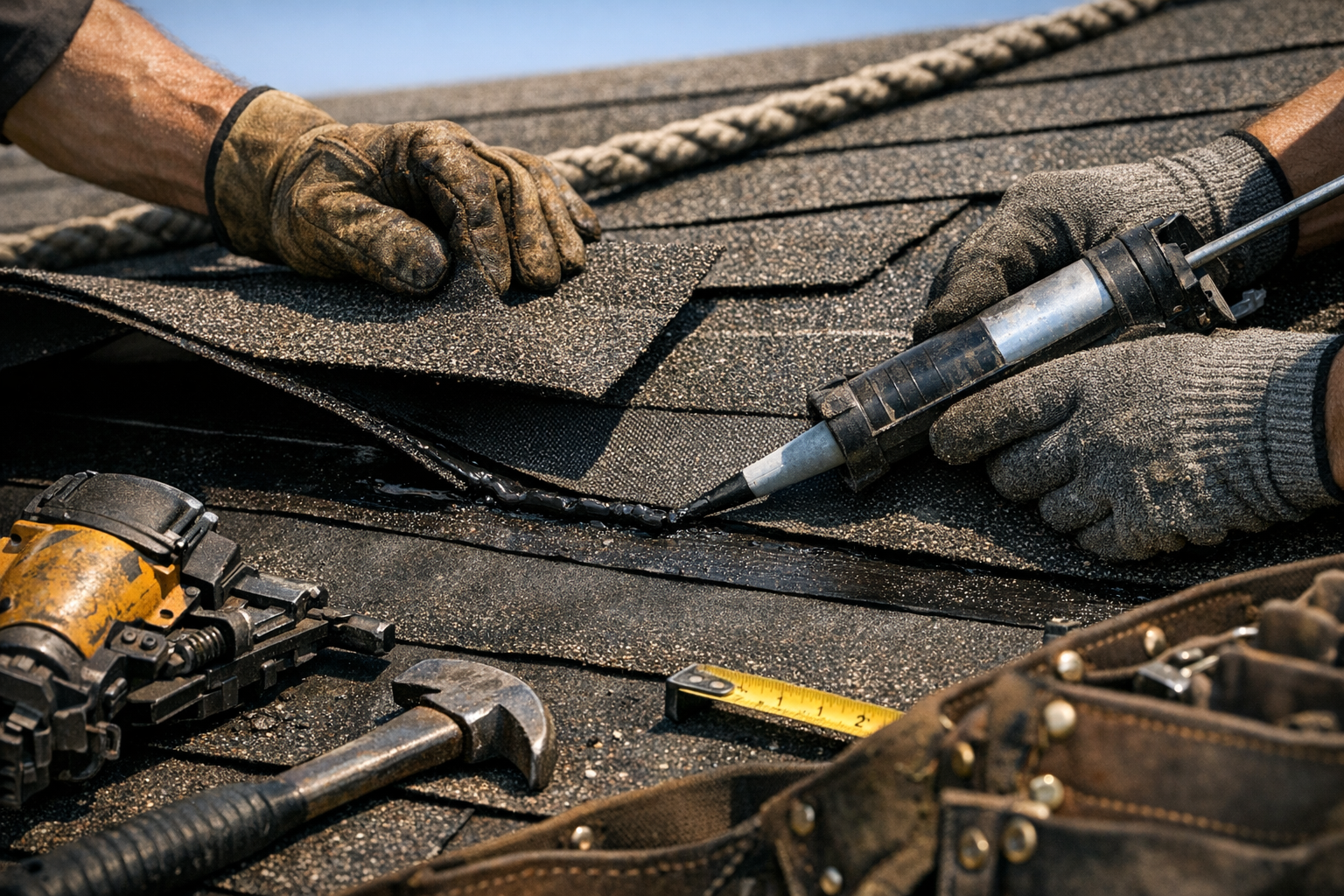
Correct nailing patterns ensure shingles resist uplift. Proper underlayment adds a secondary moisture barrier. Adequate ventilation prevents heat and moisture buildup in the attic.
When installing GAF Timberline HDZ, these details are just as important as the shingles themselves.
How to verify your roofer is truly GAF Certified and properly licensed
Ask for proof of certification and check licensing through your state’s contractor database. Certification should be current, not expired.
Do not rely solely on verbal claims. Documentation protects you and ensures you qualify for enhanced warranty coverage on GAF Timberline HDZ.
A reputable contractor will provide this information without hesitation.
Red flags when getting bids for a GAF Timberline HDZ roof replacement
Be cautious of bids that are dramatically lower than others. That may signal skipped components or shortcuts.
Vague scopes of work, lack of ventilation discussion, or refusal to provide certification details are also warning signs.
A proper GAF Timberline HDZ proposal should clearly outline materials, warranty tier, and system components.
How GAF Timberline HDZ Performs Over Time in the PNW
First 5 years: what a healthy new roof should look like
In the first five years, a properly installed GAF Timberline HDZ roof should show consistent color, tight sealing, and no curling or lifting.
Minor granule shedding is normal early on. Significant bald spots or uneven appearance are not.
Regular inspections during this period establish a performance baseline.
Years 10–15: early warning signs of problems in our wet climate
By year 10 to 15, watch for excessive moss buildup, algae streaking beyond expectations, or loose shingles.
Flashing failures often appear before shingle failures. Addressing minor issues early prevents larger repairs.
GAF Timberline HDZ, when maintained, should still be structurally sound during this phase.
Years 20+: when to start thinking about replacement vs. repair
After 20 years, evaluation becomes more frequent. Widespread granule loss, curling, or repeated leaks may indicate replacement is approaching.
Localized damage can still be repaired if the overall system remains intact.
The decision often depends on cost comparison and long-term plans for the home.
How regular moss treatment and cleaning extend Timberline HDZ life
Routine maintenance is critical in the PNW. Gentle moss treatment and debris removal prevent moisture trapping.
Avoid pressure washing, which can damage granules. OSU Extension's guidance recommends scraping or brushing instead, and cautions that zinc-based treatments shouldn't be used near copper gutters or flashing since zinc corrodes copper.
With consistent care, GAF Timberline HDZ can reach its expected lifespan range.
Common Mistakes PNW Homeowners Make With GAF Timberline HDZ Roofs
Choosing the right shingle but the wrong installer
Selecting GAF Timberline HDZ is only half the decision. Poor installation undermines product advantages.
Always evaluate contractor experience and certification alongside product choice.
Skipping attic ventilation upgrades “to save money”
Inadequate ventilation traps heat and moisture, accelerating shingle aging.
Upgrading ventilation during replacement is often cost-effective compared to premature roof failure.
Ignoring moss and debris until it shortens roof life
Moss left untreated can lift shingles and trap water.
Simple annual maintenance significantly reduces this risk.
Failing to register or transfer the GAF warranty
Unregistered warranties may default to base coverage.
Timely registration and proper transfer during home sale preserve coverage value.
How to Decide if GAF Timberline HDZ Is Right for Your Roof
Quick decision framework: shade, storm exposure, and budget
Ask yourself three questions:
- Is my roof heavily shaded?
- Am I exposed to frequent high winds or impact risks?
- What is my long-term budget range?
For moderate shade and standard storm exposure, GAF Timberline HDZ is often ideal.
When to favor GAF Timberline HDZ over Class 4 options
If hail is rare and tree debris is moderate, HDZ provides sufficient protection without added cost.
Reserve Class 4 upgrades for specific high-impact concerns.
When moss history or heavy tree cover makes HDZ a strong choice
Homes with recurring algae streaks benefit from the extended StainGuard Plus protection.
The 25-year algae-resistance coverage aligns well with long-term ownership.
How a professional roof inspection informs the Timberline HDZ decision
An inspection reveals decking condition, ventilation status, and existing moisture damage.
These factors determine whether GAF Timberline HDZ fits your needs or if system upgrades are necessary.
What to Expect During a GAF Timberline HDZ Roof Replacement
Typical project timeline for a PNW single-family home
Most single-family roof replacements take one to three days, depending on size and complexity.
Weather can affect scheduling in the PNW, so flexibility is important.
Protecting landscaping, siding, and gutters during tear-off
Professional crews use tarps and protective barriers to shield landscaping and exterior surfaces.
Magnetic cleanup tools collect stray nails after installation.
How your contractor should handle rot, bad decking, and ventilation fixes
Decking issues discovered during tear-off should be documented and replaced as needed.
Ventilation adjustments should be addressed before shingle installation continues.
Final walkthrough, documentation, and warranty registration steps
A final walkthrough confirms workmanship and cleanup.
Warranty registration and documentation should be completed promptly to secure coverage for your GAF Timberline HDZ roof.
Working With a GAF-Certified PNW Roofing Contractor
Questions to ask before you sign a Timberline HDZ contract
Ask about certification level, ventilation assessment, underlayment type, and warranty tier.
Clarity upfront prevents misunderstandings later.
Why “brand-agnostic” contractors provide better comparisons
Contractors familiar with multiple systems can provide balanced recommendations.
The goal should be the right solution, not pushing one product.
How local experience with GAF Timberline HDZ in the PNW reduces risk
Local knowledge of moss patterns, wind exposure, and microclimates informs better installation decisions.
Experience with GAF Timberline HDZ specifically in our region improves outcomes.
Next steps to get a GAF Timberline HDZ quote for your home
Schedule a professional inspection and request a detailed written estimate.
Review warranty options, color samples, and system components carefully.
With the right installation and maintenance plan, GAF Timberline HDZ can provide decades of reliable protection for your Pacific Northwest home.
Key Takeaways
- GAF Timberline HDZ shingles are engineered for Pacific Northwest (PNW) climates, offering superior durability, algae resistance, and a 130 mph wind rating that addresses the region’s rain, shade, moss, and storm challenges.
- Compared to generic architectural or 3-tab shingles, Timberline HDZ stands out with its reinforced nailing zone, laminated construction, and an industry-leading 25-year StainGuard Plus algae-resistance warranty—helping roofs maintain curb appeal and performance longer.
- Proper installation by a GAF-certified contractor, combined with adequate attic ventilation and routine moss/debris maintenance, is essential to maximizing the roof’s 25–30 year lifespan and warranty benefits in the PNW’s wet environment.
- While metal and Class 4 impact-resistant shingles offer niche advantages, GAF Timberline HDZ remains the most practical and cost-effective choice for most PNW homeowners seeking a balance of longevity, appearance, and value.
- Homeowners should ensure warranty registration, select appropriate colors for cloudy PNW light, and verify contractor credentials to fully leverage Timberline HDZ’s protection, warranty coverage, and long-term investment potential.
Frequently Asked Questions
1. What makes GAF Timberline HDZ a good choice for roofs in the Pacific Northwest?
GAF Timberline HDZ shingles are engineered for the PNW’s wet, moss-prone climate, offering advanced algae resistance, strong wind ratings, and a wide nailing zone that supports durable installation—helping homes withstand rain, shade, and storms common to the region.
2. How does GAF Timberline HDZ compare to standard 3-tab shingles?
Unlike basic 3-tab shingles, GAF Timberline HDZ is a laminated architectural shingle with multiple layers, providing greater thickness, durability, and a dimensional appearance that resists wind, moisture, and early wear in the Pacific Northwest.
3. Does GAF Timberline HDZ protect against moss and algae growth?
GAF Timberline HDZ features StainGuard Plus technology, offering up to 25 years of limited algae resistance. While it helps prevent algae stains, regular roof maintenance is still needed to control moss in the Pacific Northwest’s damp, shaded conditions.
4. How long can a GAF Timberline HDZ roof last in the PNW?
With proper installation, attic ventilation, and regular maintenance, a GAF Timberline HDZ roof typically lasts 25 to 30 years in the Pacific Northwest, making it a reliable long-term roofing investment for the region’s challenging climate.
5. What should I look for in a contractor installing GAF Timberline HDZ shingles?
Choose a GAF-certified, licensed contractor with local experience. Proper installation is crucial for maximizing the shingles’ wind resistance, warranty coverage, and lifespan. Always verify certification and ask about their experience with PNW-specific roofing challenges.
Protect your home from the unique challenges of the Pacific Northwest with expert roofing services designed for lasting performance. If you are considering GAF Timberline HDZ or exploring options like metal roofing, now is the time to take action. Get personalized recommendations and peace of mind— schedule a consultation today and ensure your next roof delivers the durability, curb appeal, and warranty coverage your home deserves.