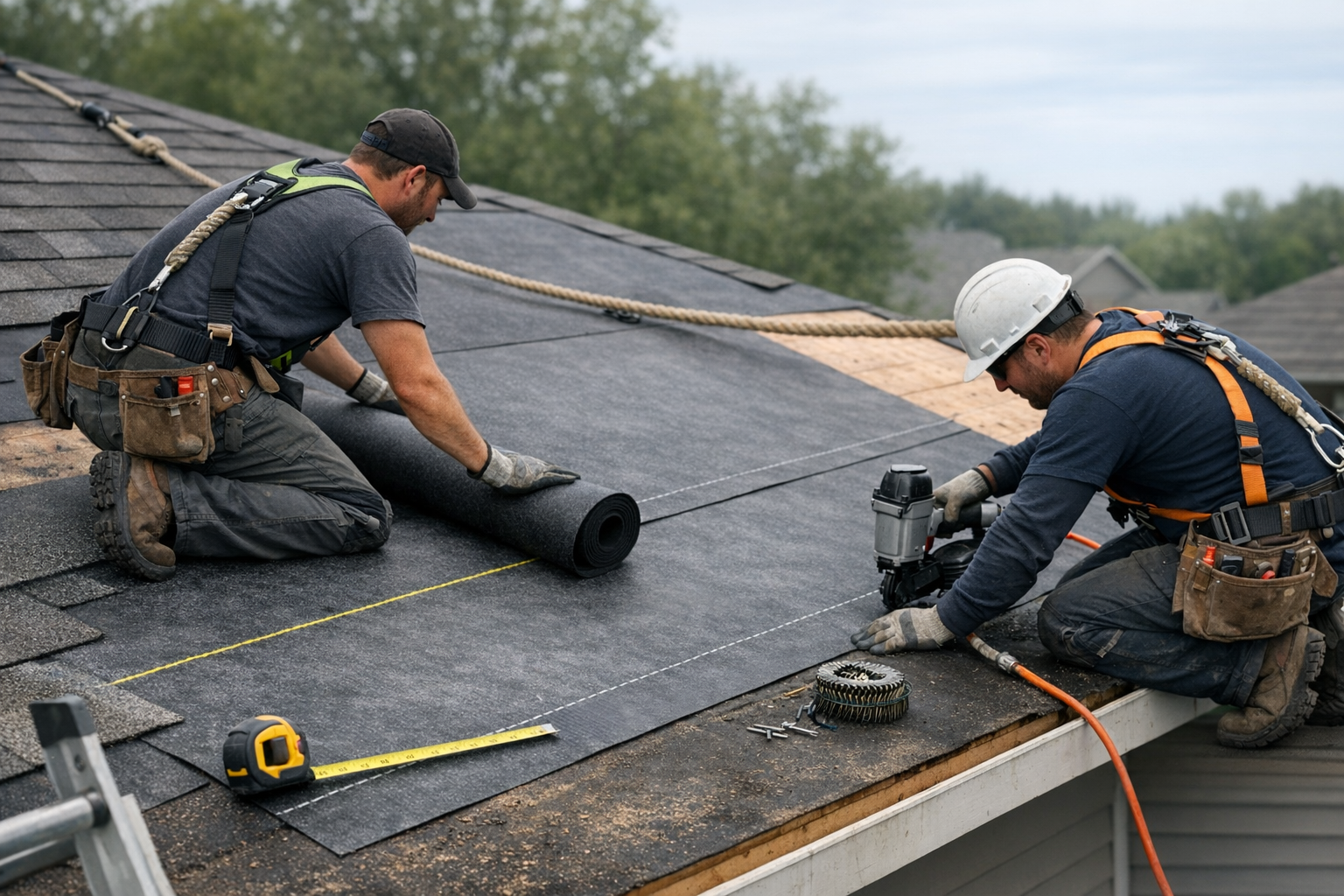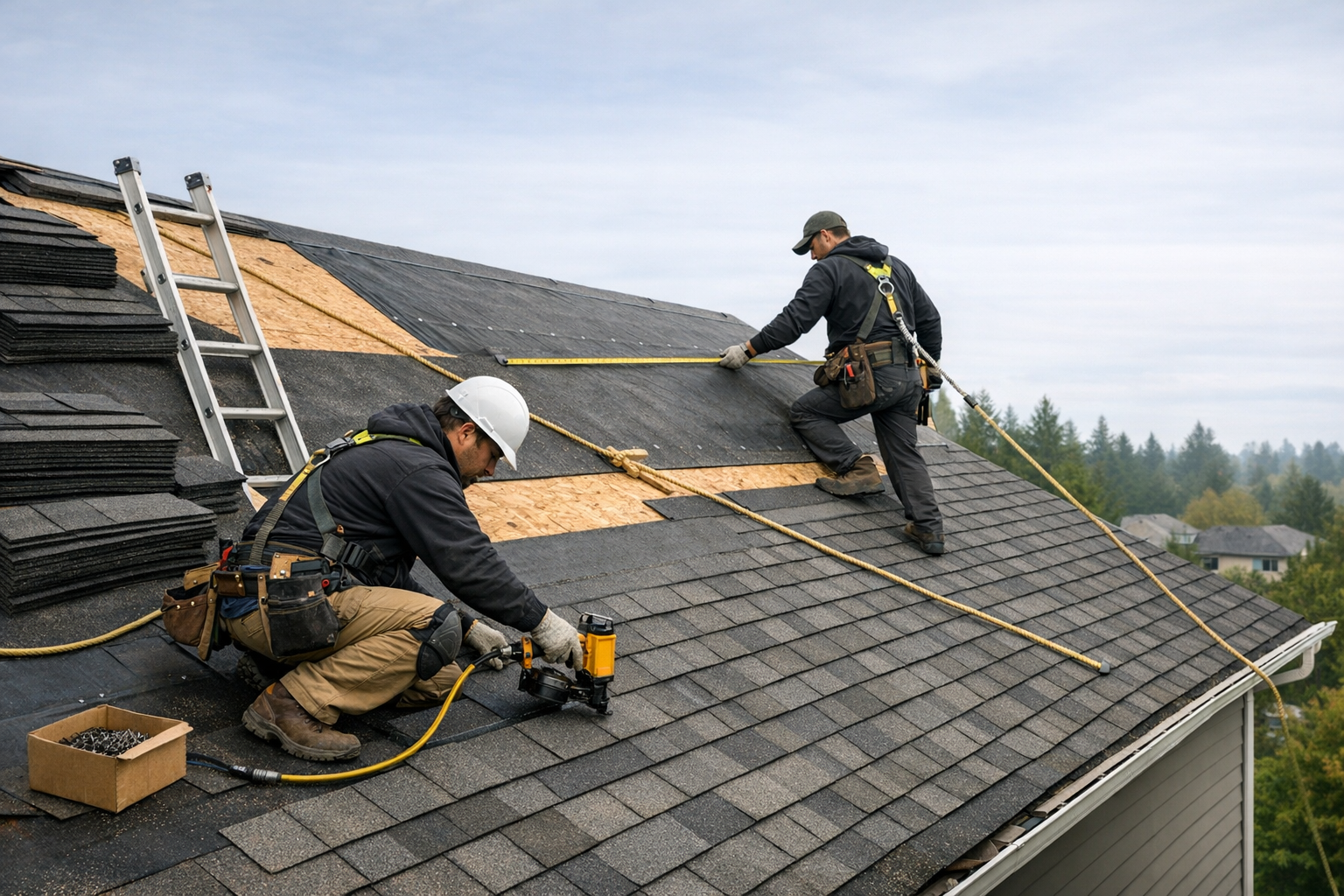

Flat Roofing Seattle: How To Compare TPO, EPDM, And PVC
Wondering which flat roofing system actually survives Seattle’s relentless rain, moss, and wind without turning into a leak-prone money pit? This guide to flat roofing in Seattle explains how local climate, codes, and drainage impact TPO, EPDM, and PVC performance so you can choose the right membrane, avoid costly failures, and know exactly what to discuss with your roofing contractor.
What Is Flat Roofing in Seattle’s Climate?
What counts as a “flat roof” vs. low-slope in Seattle
When I talk about flat roofing in Seattle, I am usually referring to roofs that are technically low-slope rather than perfectly flat. In construction terms, a flat roof typically has a slope of less than 2:12. A low-slope roof falls between 2:12 and 4:12. To the eye, both look almost flat.
This distinction matters because water behaves differently depending on slope. A true flat roof relies heavily on internal drains, scuppers, or tapered insulation to move water. A low-slope roof may still shed water outward but at a much slower rate than a steep roof.
In Seattle, even a small design miscalculation can lead to ponding water. I always explain to property owners that flat roofing Seattle projects demand careful drainage planning from the start. If the slope is not intentional and consistent, problems tend to show up quickly in our wet climate.
Why flat roofing behaves differently than pitched roofing in the Pacific Northwest
Flat roofing behaves differently because it does not shed water quickly. On a steep roof, gravity does most of the work. On a flat or low-slope roof, water lingers.
In the Pacific Northwest, that lingering moisture increases the risk of membrane stress, seam failure, and trapped moisture beneath insulation. I often remind clients that materials like TPO, EPDM, and PVC are designed specifically to handle these conditions, while traditional steep-slope materials are not.
Flat roofs also experience more foot traffic. HVAC units, vents, and rooftop equipment are common on both residential and commercial buildings. That traffic changes how I approach membrane selection and installation for flat roofing Seattle properties.
How Seattle rain, wind, and moss growth affect flat roof performance
Seattle averages more than 150 rainy days per year. According to the University of Washington Climate Impacts Group, Western Washington experiences persistent seasonal rainfall that directly impacts building envelope performance. That constant moisture tests seams, flashings, and drainage systems. Wind-driven rain can push water uphill under poorly sealed edges.
Moss and algae are another concern. While single-ply membranes resist organic growth better than many traditional materials, debris buildup still traps moisture. I always emphasize regular cleaning and inspections.
Flat roofing Seattle projects must account for:
- Prolonged wet seasons
- Occasional freeze and thaw cycles
- Wind uplift near open water or hills
- Debris from surrounding trees
Ignoring any of these factors shortens a roof’s lifespan. Guidance from the Federal Emergency Management Agency (FEMA) emphasizes the importance of proper roof drainage and moisture control to prevent long-term structural damage in wet climates.
Common flat roofing systems used on Seattle homes vs. commercial buildings
On Seattle homes, I most commonly see TPO and PVC single-ply membranes. These systems are lightweight, energy-efficient, and suitable for low-slope residential additions, garages, and modern home designs.
On commercial buildings, EPDM, TPO, and PVC dominate. Larger roof spans often favor EPDM for budget reasons, while restaurants and industrial buildings lean toward PVC because of chemical resistance.
Each system can perform well in flat roofing Seattle applications. The difference comes down to usage, exposure, and long-term goals.
Why “Flat Roofing Seattle” Decisions Are Different From Other Cities
The impact of constant moisture, ponding water, and freeze–thaw cycles
In drier climates, a flat roof may go weeks without heavy rain. In Seattle, roofs rarely get that break. Constant moisture increases the chance of minor defects turning into leaks.
Ponding water is especially important. While TPO, EPDM, and PVC can tolerate occasional standing water, persistent ponding accelerates wear. During winter cold snaps, trapped water can freeze, expand, and stress seams.
When I evaluate flat roofing Seattle properties, I look carefully at low spots and drainage patterns. Fixing slope issues early prevents long-term damage.
Local building codes, energy codes, and fire requirements that influence material choice
Seattle follows strict energy and fire codes. Insulation values must meet minimum R-value standards. Certain commercial occupancies require specific fire ratings.
Membrane color can also influence compliance. Reflective membranes often help meet energy code requirements for commercial buildings. In some cases, cool roof standards apply.
I always advise property owners to verify that their chosen flat roofing Seattle system meets both city and state regulations. Cutting corners here leads to expensive corrections later.
Why drainage and ventilation matter more on Seattle flat roofs
Proper drainage is non-negotiable. I design systems with internal drains, scuppers, or tapered insulation that guide water intentionally toward exit points.
Ventilation also plays a critical role. Some flat roofs have limited attic space, so moisture must escape through carefully designed venting systems. Without ventilation, condensation can rot structural decking from below.
In Seattle’s climate, moisture management above and below the membrane determines longevity.
The cost of getting it wrong: leaks, mold, and structural damage
A small seam failure can allow water to travel laterally across insulation before showing inside. By the time a stain appears, the damage is often widespread.
Poor flat roofing Seattle installations can lead to:
- Mold growth inside ceilings
- Saturated insulation
- Rusted fasteners and decking
- Interior business disruption
Fixing these issues costs far more than choosing the right material and installer from the beginning.
Overview: TPO, EPDM, and PVC Flat Roofing Compared
Quick side-by-side comparison chart (lifespan, cost, maintenance, best uses)
| Feature | TPO | EPDM | PVC |
|---|---|---|---|
| Lifespan | 20 to 30 years | 20 to 30 years | 20 to 30+ years |
| Cost | Moderate | Lower | Higher |
| Seam Type | Heat-welded | Adhesive or tape | Heat-welded |
| Best For | Residential and light commercial | Large budget-friendly commercial | Restaurants, chemical exposure |
| Reflectivity | High in white | Low in black standard | High in white |
All three work for flat roofing Seattle properties when properly installed.
When single-ply membranes make the most sense in Seattle
Single-ply membranes shine in wet climates because they offer continuous waterproof layers with minimal seams. Heat-welded seams in TPO and PVC create strong bonds that resist leaks.
I recommend single-ply systems when:
- The roof is low-slope
- Weight limitations prevent heavy systems
- Energy efficiency matters
- Maintenance access is frequent
Their flexibility suits Seattle’s weather patterns.
How to match membrane type to your roof’s slope and structure
Slope influences drainage speed. Structural deck type influences fastening method. For example, a steel deck may require mechanically attached systems, while concrete may allow fully adhered systems.
In flat roofing Seattle projects, I always assess:
- Deck type
- Insulation thickness
- Drain placement
- Expected foot traffic
Matching membrane to structure ensures durability.
TPO Flat Roofing: Strengths, Weaknesses, and Best Uses in Seattle
What is TPO roofing and how does it work?
TPO, or thermoplastic polyolefin, is a single-ply membrane installed in large sheets. Seams are heat-welded together, forming a continuous waterproof layer.
The membrane reflects UV rays and resists microbial growth. Beneath it, insulation boards provide thermal performance.
In flat roofing Seattle applications, TPO balances cost, durability, and energy efficiency.
Benefits of TPO flat roofing for Seattle properties
TPO offers several advantages:
- Energy efficiency through reflective white surfaces
- Resistance to UV and mold
- Strong welded seams
Reflective surfaces can reduce rooftop heat absorption during summer months. The U.S. Department of Energy notes that cool roof materials can significantly reduce surface temperatures and improve energy efficiency. While Seattle is not extremely hot, warmer summers have made this benefit more noticeable.
TPO also handles moisture well when installed correctly.
When TPO is the best choice (and when it’s not)
TPO works well for residential low-slope roofs and many commercial buildings. It performs best where chemical exposure is minimal.
However, in buildings that vent grease or harsh chemicals, PVC often outperforms TPO. Understanding building use is essential in flat roofing Seattle decisions.
Typical lifespan, warranty options, and maintenance expectations for TPO roofs
A professionally installed TPO roof typically lasts 20 to 30 years. Manufacturer warranties vary based on thickness and installation method.
Maintenance includes:
- Annual inspections
- Debris removal
- Seam checks
Routine care significantly extends lifespan.
EPDM Flat Roofing: Strengths, Weaknesses, and Best Uses in Seattle
What is EPDM roofing and how does it work?
EPDM is a synthetic rubber membrane commonly installed in large sheets. Seams are sealed with adhesives or specialized tape systems.
It is known for flexibility and resilience, especially during temperature swings.
For large flat roofing Seattle commercial projects, EPDM often provides a cost-effective solution.
Benefits of EPDM flat roofing in rainy, variable weather
EPDM remains flexible in cold weather, which helps during freeze and thaw cycles. It tolerates ponding water better than many assume when properly installed.
Its UV resistance supports long service life. Repairs are typically straightforward, which appeals to budget-conscious owners.
When EPDM is the best choice (and when to avoid it)
EPDM is ideal for large commercial roofs where aesthetics are less critical. The standard black membrane absorbs heat, which can increase cooling loads.
In residential flat roofing Seattle projects where appearance matters, white TPO or PVC may be preferable.
Typical lifespan, warranty options, and maintenance expectations for EPDM roofs
EPDM roofs commonly last 20 to 30 years. Maintenance focuses on seam integrity and puncture prevention.
Regular inspections are particularly important because adhesive seams must remain secure.
PVC Flat Roofing: Strengths, Weaknesses, and Best Uses in Seattle
What is PVC roofing and how does it work?
PVC, or polyvinyl chloride, is another thermoplastic single-ply membrane. Like TPO, seams are heat-welded for strong waterproof bonds.
PVC includes plasticizers that improve flexibility and chemical resistance.
In demanding flat roofing Seattle environments, PVC offers premium performance.
Benefits of PVC flat roofing for Seattle’s demanding conditions
PVC excels in waterproofing. Its welded seams create reliable barriers against wind-driven rain.
It also resists chemicals, grease, and animal fats. This makes it ideal for restaurants and food service facilities.
In areas with heavy rooftop equipment, PVC’s durability adds peace of mind.
When PVC is the best choice (and when it’s overkill)
PVC is the best choice for buildings exposed to grease, chemicals, or high foot traffic. For simple residential roofs, it may exceed budget needs.
Flat roofing Seattle decisions should balance performance and cost.
Typical lifespan, warranty options, and maintenance expectations for PVC roofs
PVC roofs often reach 20 to 30 years or more. Maintenance mirrors TPO systems with routine inspections and cleaning.
Because seams are welded, leak resistance is strong when installed correctly.
Next Steps: Working With a Flat Roofing Seattle Specialist
How to get a professional flat roof evaluation and honest recommendation
I always recommend starting with a thorough roof inspection. A professional should assess drainage, membrane condition, flashing details, and structural integrity.
An honest evaluation explains both repair and replacement options. In flat roofing Seattle projects, clarity upfront prevents surprises later.
What information and photos to gather before your estimate
Before requesting an estimate, gather:
- Roof age
- Known leak history
- Photos of problem areas
- Building use details
This helps your contractor tailor recommendations.
Tailoring TPO, EPDM, or PVC solutions to your specific property
Every building is different. I match membrane type to slope, usage, and long-term goals.
Flat roofing Seattle solutions are not one-size-fits-all. Careful assessment ensures the right fit.
Conversion-focused CTA: schedule a free flat roofing consultation in Seattle
If you are considering a flat roof replacement or installation, I invite you to schedule a free flat roofing consultation in Seattle. I will evaluate your roof, explain TPO, EPDM, and PVC options clearly, and help you choose a solution designed for Seattle’s climate and your building’s needs.
Key Takeaways
- Flat roofing in Seattle requires specialized solutions due to the city’s frequent rain, constant moisture, and risk of ponding water, making proper drainage and ventilation essential for longevity and performance.
- TPO, EPDM, and PVC are the leading flat roofing membranes in Seattle; each offers a 20–30+ year lifespan, but differ in cost, seam technology, and ideal applications, with TPO and PVC excelling in energy efficiency and chemical resistance, respectively.
- Choosing the right flat roofing system for Seattle depends on factors like roof slope, building use, and local code requirements, so a professional evaluation is critical to prevent leaks, mold, and costly structural damage.
- Routine inspections and maintenance—such as annual seam checks and debris removal—are vital for maximizing the lifespan and reliability of any flat roofing system in Seattle’s challenging climate.
- Working with a Seattle flat roofing specialist ensures you receive tailored recommendations, code-compliant solutions, and expert guidance on selecting between TPO, EPDM, or PVC based on your property’s unique needs.
Frequently Asked Questions
1. What is the difference between TPO, EPDM, and PVC flat roofing in Seattle?
TPO, EPDM, and PVC are single-ply membranes used for flat roofing in Seattle. TPO and PVC have heat-welded seams for strong waterproofing, while EPDM uses adhesive seams. TPO is energy-efficient, EPDM is cost-effective, and PVC offers superior chemical resistance.
2. How does Seattle’s rainy climate impact flat roofing choices?
Seattle’s frequent rain and moisture demand flat roofing materials that resist ponding water, mold, and leaks. Proper drainage and membrane selection are critical, as lingering water and moss growth can shorten a roof’s lifespan if not managed well.
3. Which flat roofing material is best for Seattle homes and businesses?
TPO and PVC are popular for Seattle homes due to energy efficiency and durability. For commercial buildings, EPDM is budget-friendly, while PVC is preferred for properties exposed to chemicals or heavy foot traffic, like restaurants.
4. What maintenance do flat roofs in Seattle require?
Flat roofs in Seattle need regular inspections, debris removal, and seam checks, especially after storms. Annual maintenance helps catch issues early, prevents leaks, and extends the roof’s lifespan in the region’s wet climate.
5. When should I choose PVC roofing over TPO or EPDM in Seattle?
Choose PVC roofing in Seattle if your building is exposed to grease, chemicals, or heavy rooftop equipment. PVC’s chemical resistance and strong seams make it ideal for restaurants or industrial settings, though it may be more costly than other options.
Protect your property from Seattle’s challenging climate with expert flat roofing services tailored to your building’s needs. For clear answers on TPO, EPDM, and PVC options and a plan designed to prevent leaks and costly repairs, schedule a consultation with our local specialists today and ensure your roof is ready for anything the Pacific Northwest weather brings.