
Roof Repair Vs Replacement: A Decision Guide For Washington Homes
Not sure if that leaking Washington roof needs a quick repair or a full replacement that resets its lifespan? This guide breaks down roof repair vs replacement in our state’s unique climate, giving you a simple, cost-per-year framework, local lifespan benchmarks, and a step-by-step checklist so you can choose the smartest long-term option for your home and budget.
Understanding Roof Repair vs Replacement for Washington Homes
What does “roof repair vs replacement” actually mean?
When homeowners search for Roof Repair Vs Replacement, they are usually facing a real problem. There is a leak, missing shingles, or visible wear, and the big question is whether to fix what is there or start over completely.
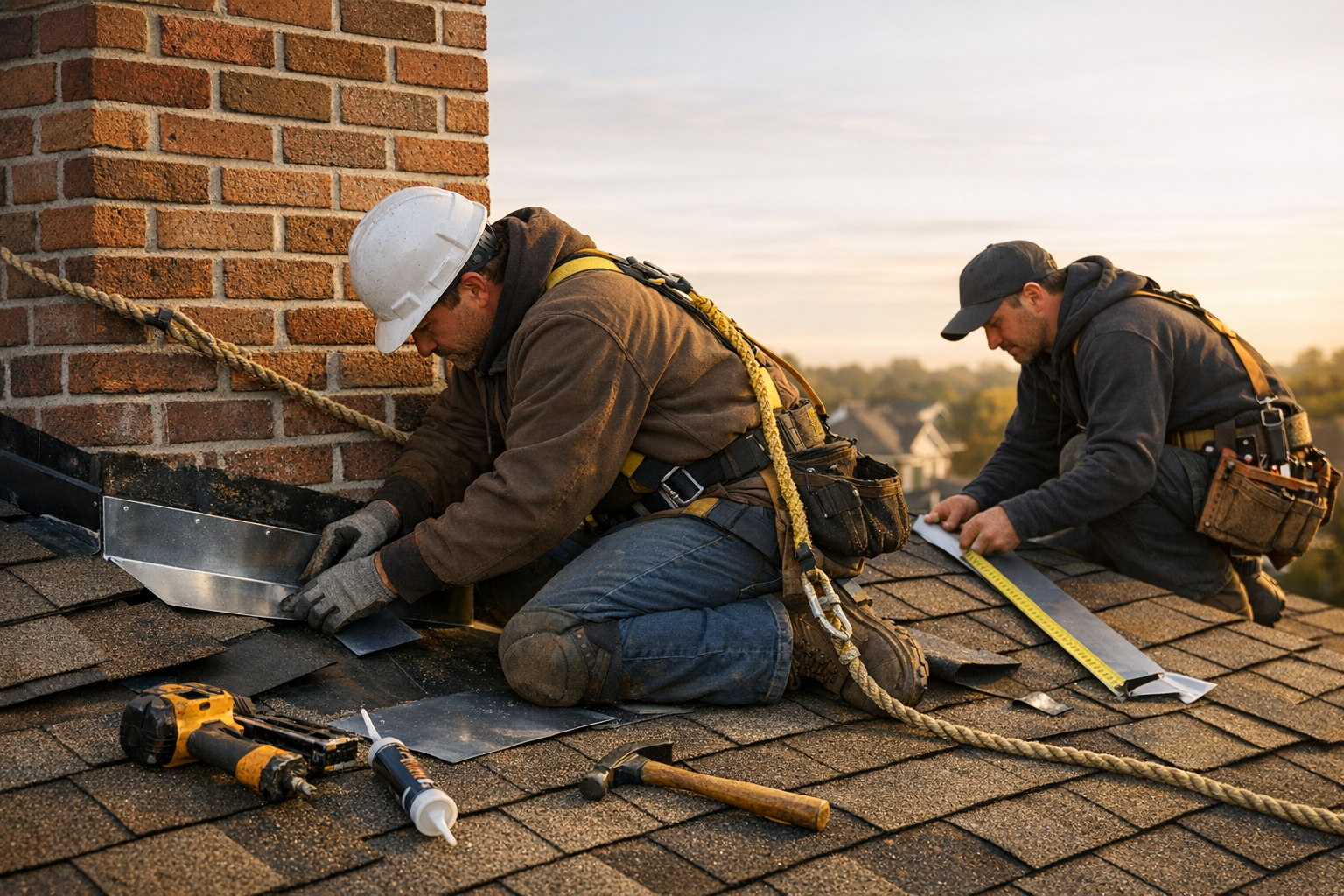
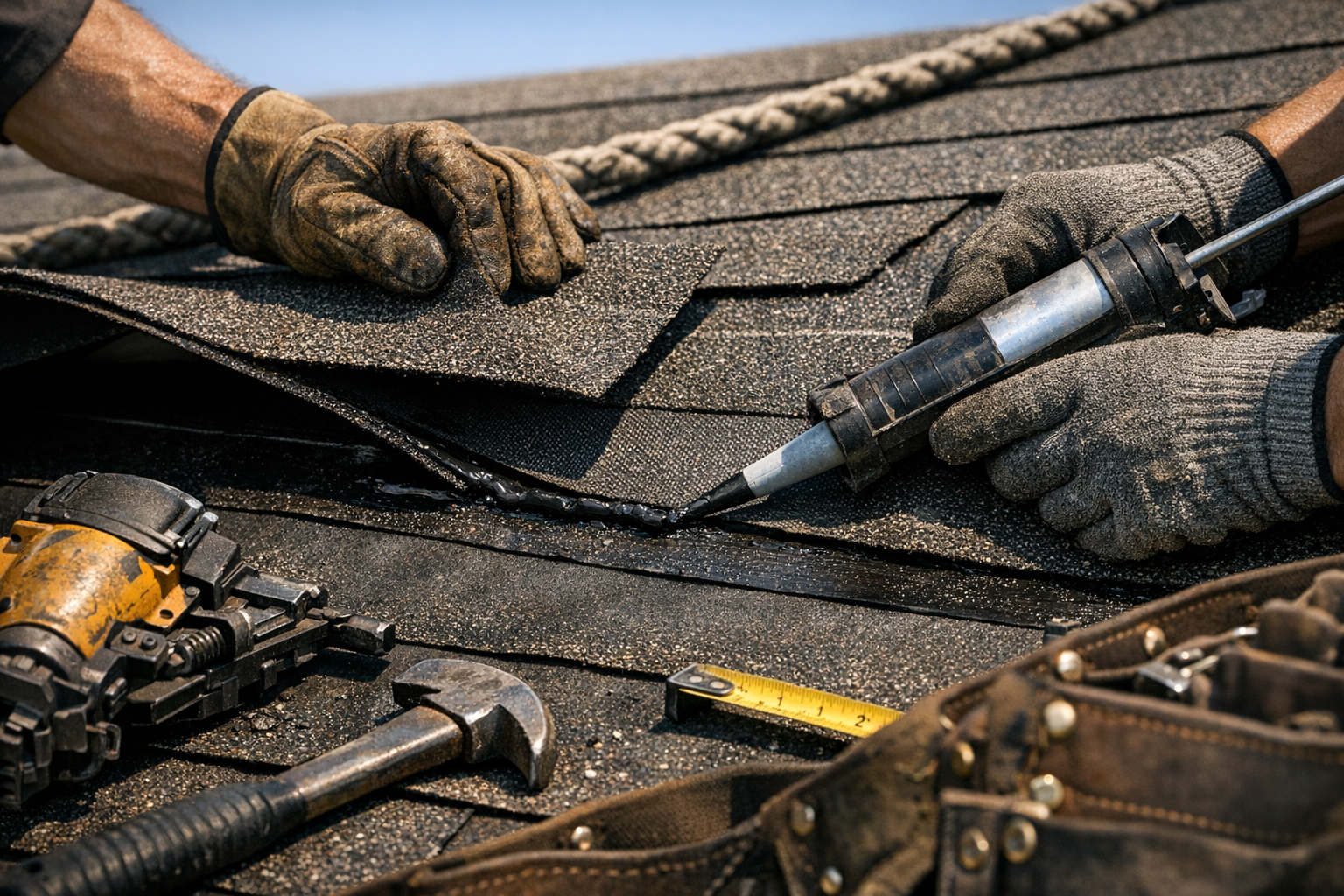
Roof repair means correcting a specific issue while keeping the majority of the existing roofing system intact. That might include replacing a section of shingles, repairing flashing around a chimney, sealing a vent penetration, or fixing a small leak. The structure of the roof remains in place.
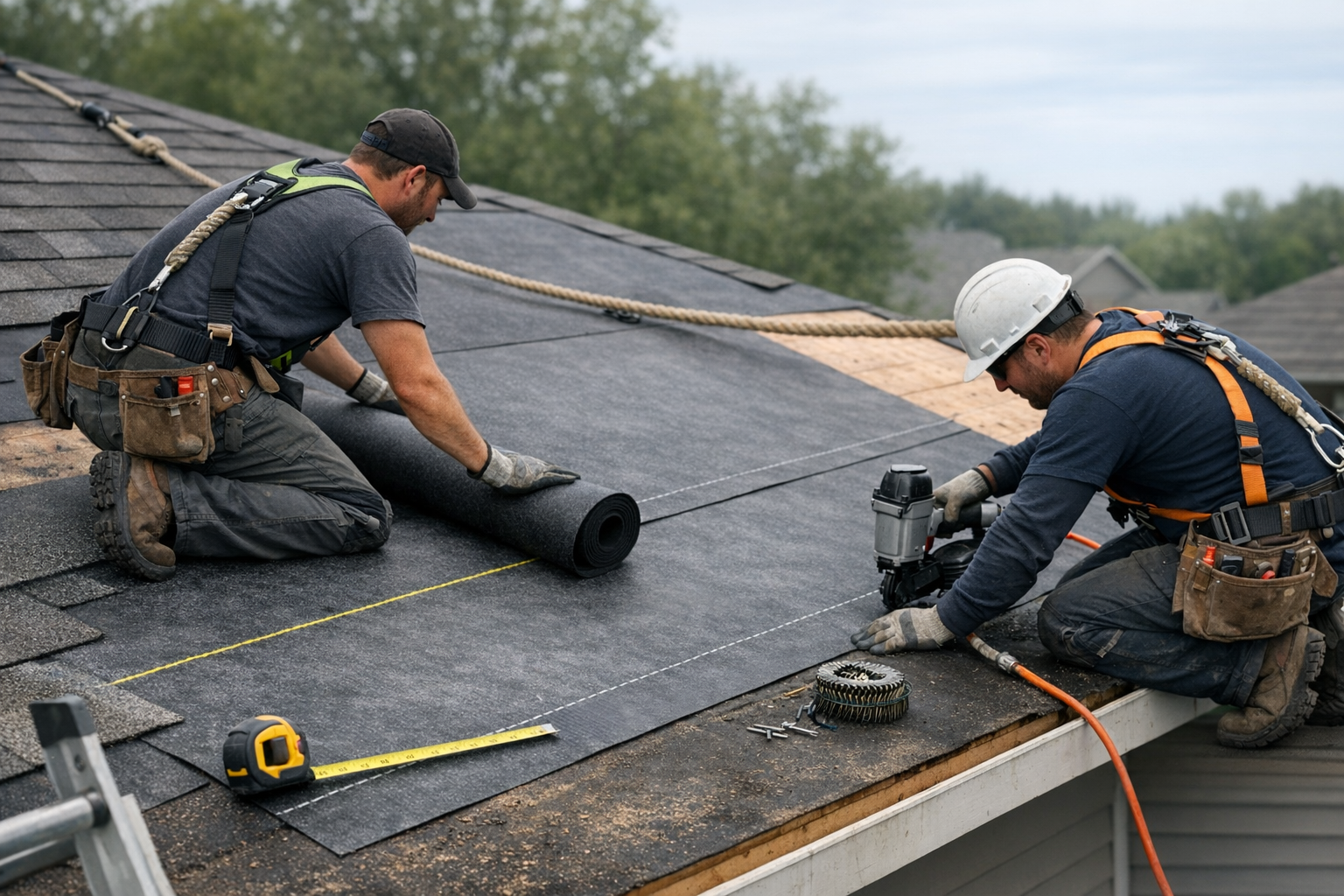
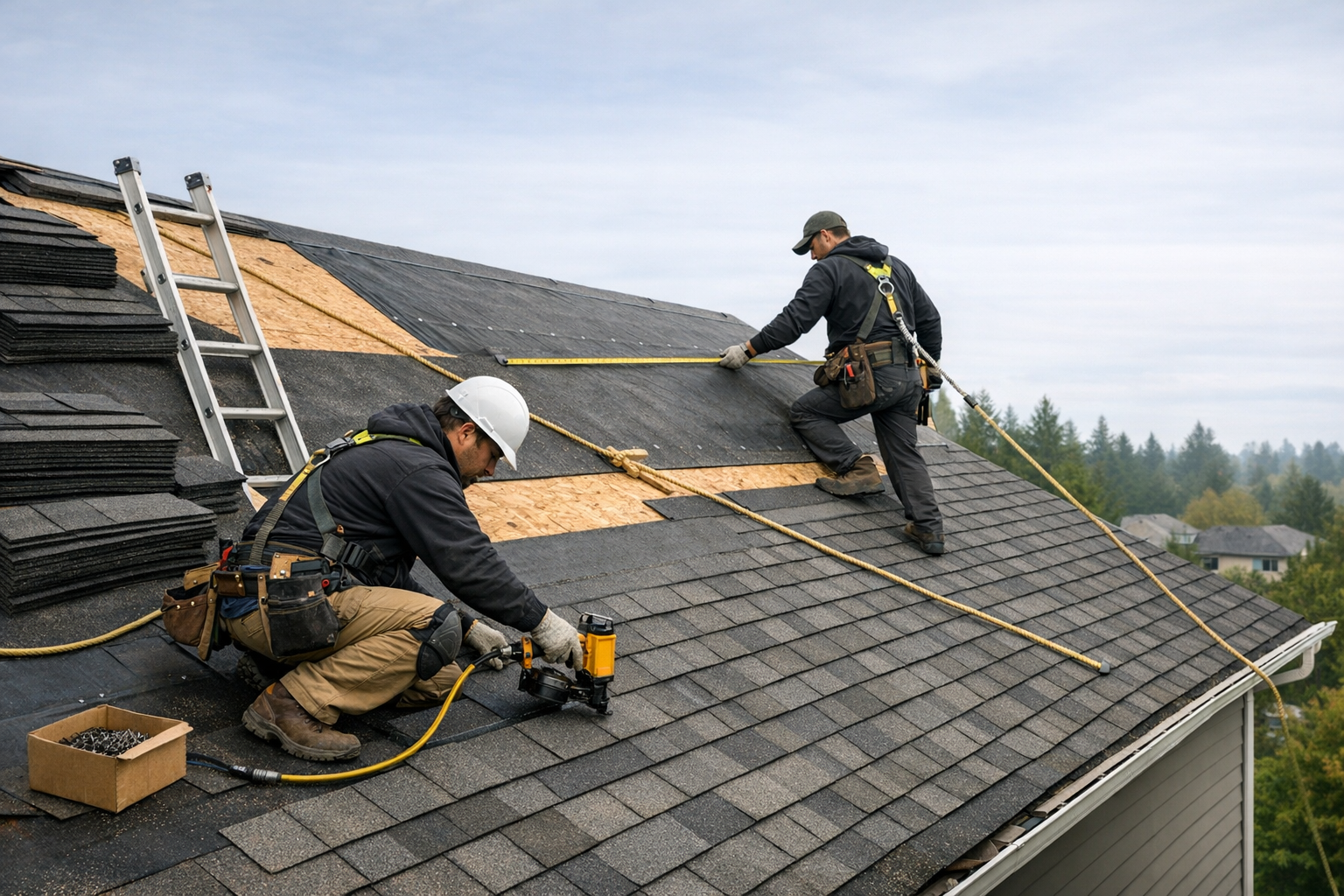
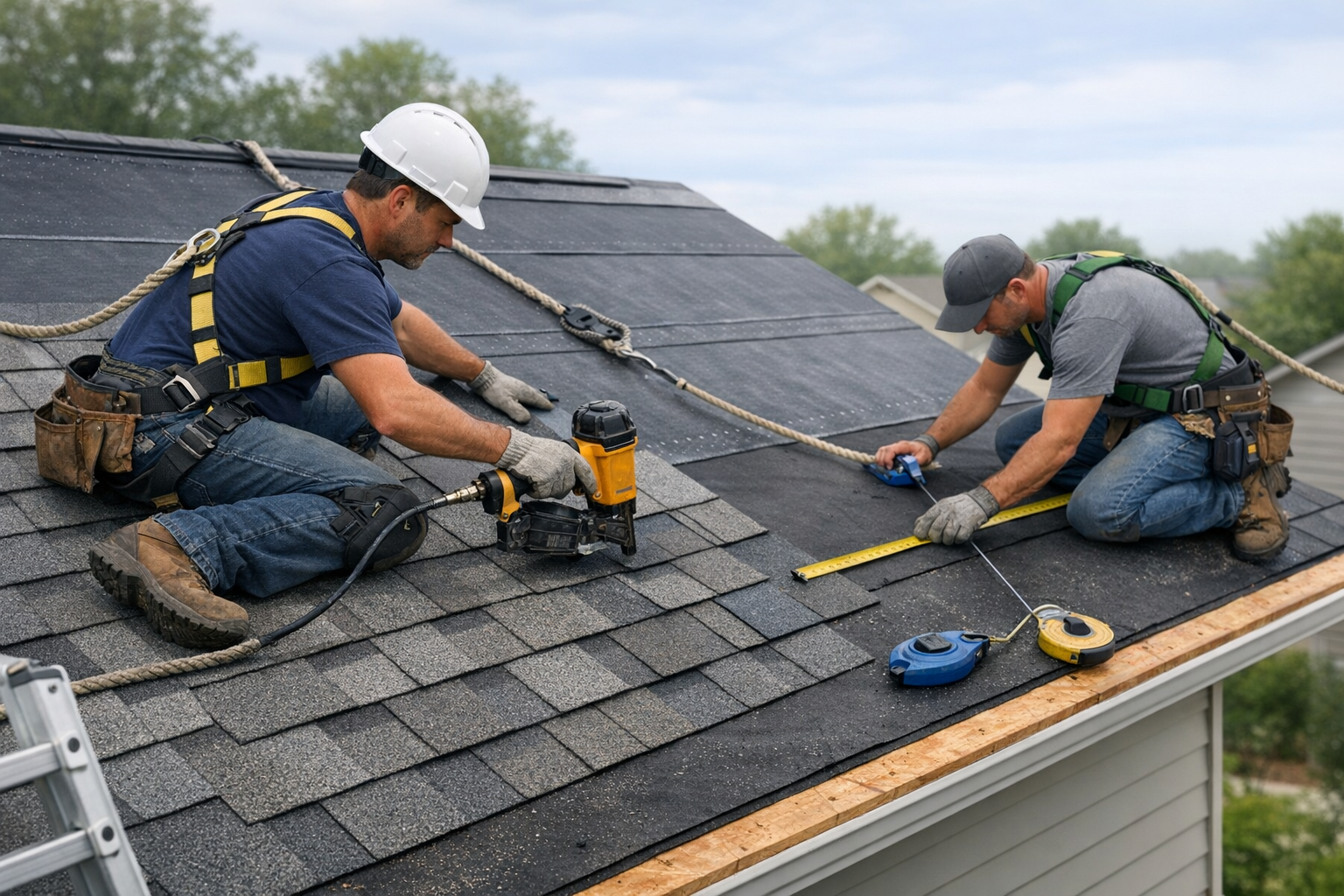
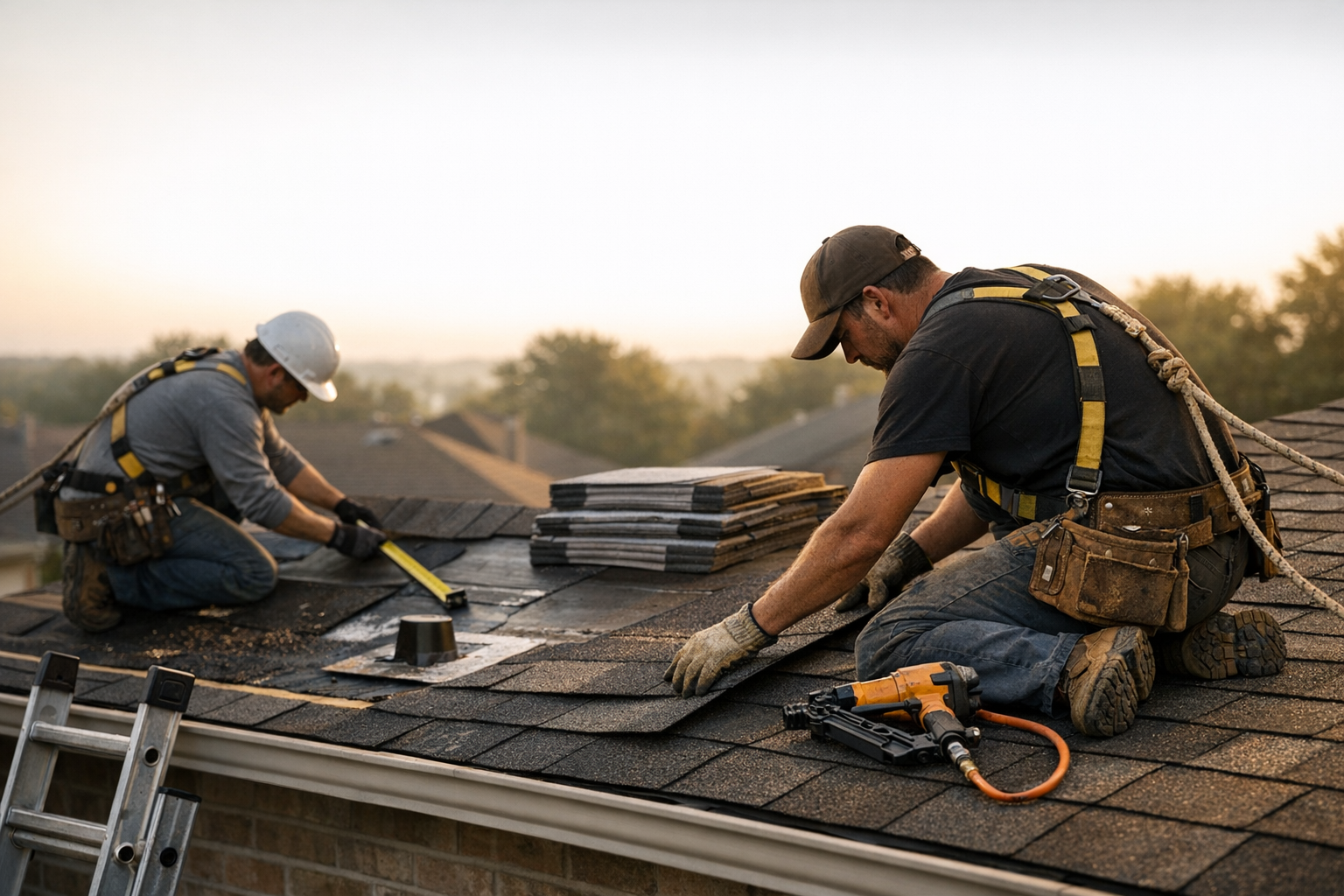
Roof replacement means removing the existing roofing materials down to the decking, inspecting and repairing the substrate if needed, and installing a completely new roofing system. This includes underlayment, flashing, shingles or panels, and ventilation components.
In simple terms:
- Repair extends the life of what you already have
- Replacement resets the clock on your roof’s lifespan
The confusion around Roof Repair Vs Replacement often comes from contractors giving different recommendations. The real answer depends on age, condition, cost comparison, and how much useful life remains. That is what this guide will help you evaluate clearly.
How Washington’s climate changes the usual roof advice
National roofing advice does not always apply here. Washington’s climate changes the math.
In Western Washington, we deal with persistent moisture, moss growth, shaded roof surfaces, and long wet seasons. Even high-quality asphalt shingles experience accelerated wear compared to drier climates. In Eastern Washington, we see more temperature swings and freeze-thaw cycles that stress roofing materials differently.
Moisture is the biggest factor. When a roof stays damp for long stretches, organic growth like moss can lift shingles. Freeze-thaw cycles expand trapped water beneath shingles and flashing. Wind-driven rain can find small vulnerabilities that might not matter in other states.
Because of this, the decision around Roof Repair Vs Replacement must consider local stress factors. A 20-year-old asphalt roof here is not the same as a 20-year-old roof in a dry climate. It has endured heavier moisture exposure and more seasonal stress.
That means homeowners in Washington often reach replacement thresholds sooner than national averages suggest.
Why the “useful life remaining” is the real deciding factor
If I had to reduce the Roof Repair Vs Replacement decision to one concept, it would be useful life remaining.
Useful life remaining is not how old your roof is on paper. It is how many realistic years of reliable performance you can expect from it going forward.
For example:
- A 10-year-old roof with isolated wind damage may have 15 or more good years left. Repair makes sense.
- A 22-year-old roof with a new leak might only have 2 to 3 years left. Repair may delay the inevitable but does not solve the underlying aging.
Spending several thousand dollars on a repair that only buys you one or two more years is rarely wise. Spending that same amount on a roof with 15 years left is often a smart investment.
When homeowners focus only on immediate cost, they miss this bigger picture. The true financial decision is cost per year of remaining life.
How this guide works: a simple framework, not a sales pitch
I wrote this guide to be practical, not persuasive. My goal is to give you a framework you can apply to your own home before you ever sign a contract.
You will not find scare tactics here. You will find:
- Clear signals that point toward repair
- Clear signals that point toward replacement
- Cost comparison logic
- Washington-specific considerations
- A step-by-step checklist
The entire Roof Repair Vs Replacement discussion becomes much simpler when you break it into structured questions instead of opinions. That is what we will do next.
The Core Decision Framework: Repair or Replace?
Question 1: How much useful life does your roof have left?
Start with age and condition together. Age alone is not enough, but it is a strong indicator.
In Washington, typical asphalt roofs begin to show meaningful wear between 15 and 20 years. If your roof is under 15 years old and was properly installed, repair is usually the logical first option for isolated damage.
Between 15 and 20 years, you need a closer inspection. Look at granule loss, shingle flexibility, and flashing condition. At 20 years and beyond, replacement becomes more likely, especially in Western Washington.
A helpful way to think about it:
- Under 15 years: repair is usually justified
- 15 to 20 years: evaluate carefully
- 20 plus years: replacement should be strongly considered
When I assess Roof Repair Vs Replacement, I estimate remaining lifespan first. Everything else builds on that.
Question 2: Is the damage isolated or systemic?
Next, determine whether the issue is localized or widespread.
Isolated damage looks like this:
- A small section of shingles blown off during a storm
- A single leak around a chimney flashing
- Impact damage from a fallen branch
Systemic damage looks like this:
- Curling or brittle shingles across most of the roof
- Granule loss visible everywhere
- Multiple interior leaks in different rooms
- Widespread moss lifting shingles
Isolated problems can be repaired confidently when the rest of the system is sound. Systemic issues indicate the roofing system is aging out as a whole.
In Roof Repair Vs Replacement decisions, patterns matter more than single incidents.
When roof repair is clearly the right choice
Roof repair is clearly appropriate when:
- The roof is under 15 years old
- Damage is limited to one defined area
- Decking is dry and structurally sound
- Repair cost is well under 40 percent of replacement
- There is a clear cause, such as wind or impact
For example, after a winter windstorm, I often see several shingles missing on one slope while the rest of the roof is in excellent shape. In that case, replacing damaged shingles and checking underlayment solves the issue.
Repair preserves capital and extends useful life when the structure itself is still strong.
When full roof replacement is clearly the right choice
Replacement is clearly the right choice when:
- The roof is over 20 years old and asphalt-based
- Shingles are curling, brittle, or losing granules everywhere
- There are soft spots or sagging decking
- Leaks are occurring in multiple locations
- Repair cost approaches half the cost of replacement
Trying to patch a roof that is deteriorating system-wide often leads to repeat repairs. Each fix addresses a symptom but not the underlying aging.
In Roof Repair Vs Replacement, replacement becomes the smarter move when the system itself has reached the end of its functional cycle.
The 40–50% cost rule: when repair stops making financial sense
A widely accepted rule in roofing is the 40 to 50 percent rule.
If a proposed repair costs 40 to 50 percent or more of a full replacement, replacement usually makes more financial sense, especially if the roof is already aging.
Here is a simplified example:
- Repair estimate: $8,000
- Replacement estimate: $16,000
If the roof is 19 years old and the repair only buys 2 to 3 more years, that $8,000 does not stretch very far. A full replacement resets the lifespan to 20 to 30 years.
This is where Roof Repair Vs Replacement becomes a math problem, not an emotional one.
How your future plans (sell, refinance, stay) change the decision
Your timeline matters.
If you plan to sell within 2 to 3 years, a failing roof can complicate inspections and negotiations. Buyers and lenders often scrutinize roof age and visible wear. In that case, replacement may protect resale value.
If you plan to stay long-term, investing in a new roof now may reduce stress and ongoing maintenance costs.
If you are refinancing, lenders may require roof certification if the roof is near end of life.
Roof Repair Vs Replacement is not only about condition. It is also about your financial plans and how long you intend to live under that roof.
How Roofs Age in Washington’s Climate
How rain, moss, and freeze-thaw cycles wear down roofs faster
Western Washington roofs remain damp for extended periods. Moisture feeds moss growth. Moss roots lift shingle edges, allowing water to travel beneath them.
Freeze-thaw cycles add another stress layer. Water seeps into small cracks, freezes, expands, and widens those cracks. Over years, this weakens shingles and flashing.
Persistent rain also accelerates granule loss. Once granules thin out, UV rays degrade the asphalt core more quickly.
These factors make Roof Repair Vs Replacement decisions more urgent in moisture-heavy areas.
Typical roof lifespans in Western Washington by material
In Washington’s wet climate, average lifespans look like this:
- 3-tab asphalt: 15 to 20 years
- Architectural asphalt: 20 to 30 years
- Metal roofing: 40 to 70 years
- Cedar shake: 20 to 30 years with maintenance
- Flat roofing systems: 15 to 25 years
These ranges depend heavily on ventilation, installation quality, and maintenance.
Understanding material lifespan helps ground the Roof Repair Vs Replacement discussion in realistic expectations rather than manufacturer marketing.
Why a “good-looking” old roof can still be at the end of its life
Many roofs look fine from the street but fail under closer inspection.
Shingles may appear flat but feel brittle. Granules may be thinning evenly across the surface. Underlayment may be deteriorating beneath intact shingles.
I often tell homeowners that appearance is not the same as performance. A 22-year-old asphalt roof can look acceptable yet be structurally near failure.
In Roof Repair Vs Replacement decisions, surface appearance should never be the only factor.
Eastern vs Western Washington: does the side of the state matter?
Yes, it matters.
Western Washington deals with moisture and moss. Eastern Washington deals with stronger UV exposure and wider temperature swings.
In Eastern Washington, shingles may dry out and crack sooner due to sun exposure. In Western Washington, moisture intrusion is the primary enemy.
The side of the state changes how roofs fail, but the framework for Roof Repair Vs Replacement remains the same: assess age, pattern of damage, and remaining life.
Cost Comparison: Roof Repair vs Replacement in Washington
Typical price ranges for common roof repairs
Roof repair costs vary by scope and accessibility. In Washington, common repair ranges often fall between:
- Minor shingle replacement: $300 to $900
- Flashing repair around chimney or vent: $500 to $1,500
- Leak repair with partial underlayment replacement: $1,000 to $3,000
- Larger sectional repair: $3,000 to $8,000
Costs increase with steep pitches, multiple stories, and complex rooflines.
In the Roof Repair Vs Replacement conversation, understanding repair pricing helps you compare against full replacement quotes realistically.
What goes into a full roof replacement quote (line by line)
A detailed replacement estimate should include:
- Tear-off and disposal of old roofing
- Decking inspection and replacement if needed
- Underlayment installation
- Flashing replacement
- Drip edge installation
- Shingle or metal installation
- Ventilation components
- Cleanup and haul-away
Labor, material quality, and warranty coverage also influence cost.
A clear breakdown prevents confusion when comparing Roof Repair Vs Replacement options.
Understanding cost per year of remaining life (repair vs replace math)
Here is a simple way to calculate cost per year:
- Estimate remaining life after repair
- Divide repair cost by those years
- Compare to replacement cost divided by expected lifespan
Example:
- Repair: $6,000, adds 3 years
Cost per year: $2,000 - Replacement: $18,000, lasts 25 years
Cost per year: $720
Suddenly the more expensive option becomes more economical long-term.
This math often clarifies Roof Repair Vs Replacement decisions quickly.
How to use the 50% rule on your own estimate
If your repair estimate exceeds half the cost of replacement, pause.
Ask:
- How old is my roof?
- How many years will this repair realistically buy me?
- Will other areas fail soon?
The 50 percent threshold is not absolute, but it is a strong warning sign.
Hidden costs and savings: insurance, energy efficiency, and resale value
A new roof can improve:
- Home inspection outcomes
- Appraisal confidence
- Energy performance with improved ventilation
- Insurance underwriting approval
Some insurers increase premiums or deny coverage for roofs beyond certain ages.
When evaluating Roof Repair Vs Replacement, factor in these indirect financial impacts.
How to Decide: A Simple Roof Repair vs Replacement Checklist
Step 1: Document the visible signs (outside and inside your home)
Walk around your home. Look for missing shingles, sagging lines, moss buildup, and granules in gutters. Inside, check ceilings and attic spaces for stains or daylight.
Photos help you track patterns over time.
Step 2: Note roof age, material, and any past repairs
Find permit records if available. Ask previous owners if necessary. Knowing whether your roof is 12 years old or 22 years old dramatically changes the Roof Repair Vs Replacement equation.
Step 3: Classify damage: isolated incident or recurring pattern?
Was there a recent windstorm? Did a branch fall? Or are leaks happening in multiple areas over several seasons?
Patterns indicate systemic aging.
Step 4: Get at least one detailed, written proposal for each option
Request a repair estimate and a replacement estimate. Compare scope, warranty, and total cost.
Do not rely on verbal opinions.
Step 5: Compare total cost vs years of useful life gained
Use cost-per-year calculations. This step removes guesswork and emotion.
Step 6: Factor in your plans for the home (2, 5, 10+ years)
Align your roofing decision with your financial timeline.
Roof Repair Vs Replacement is not just about today’s leak. It is about the next decade of ownership.
Common Mistakes Homeowners Make (and How to Avoid Them)
Over-repairing an aging roof that’s near end of life
Repeated small repairs add up quickly. If your roof is near 20 years old and you are fixing something every year, it is time to reconsider.
Replacing a structurally sound roof too early based on fear or pressure
Not every leak requires full replacement. If the roof is relatively young and damage is isolated, repair may be completely appropriate.
Re-roofing over rotten decking to “save on tear-off”
Installing new shingles over compromised decking traps moisture and shortens lifespan. Always ensure structural integrity first.
Choosing the cheapest bid without understanding what’s included
Low bids sometimes exclude ventilation upgrades, flashing replacement, or proper underlayment.
Compare scope, not just price.
Ignoring attic ventilation and insulation during decisions
Poor ventilation accelerates aging. Addressing ventilation can extend roof life and prevent premature Roof Repair Vs Replacement scenarios.
Waiting until an emergency leak forces a rushed decision
Emergency decisions limit options. Proactive evaluation gives you control over timing and budgeting.
Choosing the Right Solution for Your Specific Roof
How to prepare for a professional roof inspection in Washington
Clear debris, provide attic access, and gather any documentation about past work. The more information available, the more accurate the evaluation.
Questions to ask your roofer about repair vs replacement
Ask:
- How many years of life remain?
- Is the damage isolated or systemic?
- What is the cost per year comparison?
- What warranties apply?
These questions shift the conversation from sales to logic.
Red flags that a contractor is pushing unnecessary replacement
Be cautious if:
- No inspection photos are provided
- Age is ignored entirely
- Repair options are dismissed without explanation
A balanced discussion of Roof Repair Vs Replacement should always include both paths.
Why material choice now affects your next 20–30 years of costs
If replacing, consider lifespan and maintenance. A longer-lasting material may reduce long-term expense even if upfront cost is higher.
When a phased approach (repair now, replacement planned) makes sense
Sometimes repairing now while budgeting for replacement in 2 to 3 years is practical. This works best when the roof still has limited but predictable life remaining.
Next Steps: From Decision to Action for Washington Homeowners
How to get apples-to-apples bids for repair and replacement
Ensure each proposal outlines materials, scope, ventilation, flashing, and cleanup. Compare written details side by side.
What a trustworthy roofing proposal should always include
Look for:
- Scope of work
- Material specifications
- Warranty details
- Payment schedule
- Estimated timeline
Transparency builds confidence in your Roof Repair Vs Replacement decision.
Planning your project timeline around seasons and lead times
In Washington, late spring through early fall offers more predictable weather windows. Planning ahead avoids emergency winter installations.
How to maintain your roof after repair or replacement to maximize life
After repair or replacement:
- Schedule annual inspections
- Remove moss safely
- Keep gutters clear
- Trim overhanging branches
- Monitor attic ventilation
Consistent maintenance protects your investment and extends lifespan, whether you chose repair or full replacement.
When you approach Roof Repair Vs Replacement logically, based on age, condition, cost-per-year math, and future plans, the decision becomes far less overwhelming. The goal is not to spend the least today. The goal is to make the smartest long-term choice for your Washington home.
Key Takeaways
- The decision between roof repair and replacement for Washington homes hinges on assessing the roof’s remaining useful life, not just age or cost, with climate factors like moisture and moss accelerating wear compared to drier regions.
- Repair is typically best for roofs under 15 years old with isolated damage, while replacement is recommended for roofs over 20 years old, widespread deterioration, or when repair costs exceed 40–50% of a full replacement.
- Cost-per-year analysis reveals that investing in replacement often delivers better long-term value, especially in Washington’s challenging climate, as frequent repairs on aging roofs quickly add up.
- Homeowners should align their roofing decisions with future plans—such as selling, refinancing, or staying long-term—and always obtain detailed, written estimates for both repair and replacement to make an informed choice.
- Proactive maintenance, proper ventilation, and understanding material lifespans are crucial for maximizing roof longevity and preventing emergency situations, regardless of whether repair or replacement is chosen.
Frequently Asked Questions
1. How do I decide between roof repair vs replacement for my Washington home?
Start by considering your roof’s age, the extent of damage, and remaining useful life. If your roof is under 15 years old with isolated issues, repair often makes sense. If it’s over 20 years or has widespread problems, replacement is usually the smarter long-term choice.
2. What factors make roof replacement necessary in Washington’s climate?
Persistent moisture, moss growth, and freeze-thaw cycles in Washington accelerate roof aging. If you see curling shingles, multiple leaks, or widespread granule loss—especially on older roofs—replacement is often necessary to prevent ongoing issues.
3. How much does roof repair vs replacement typically cost in Washington?
Roof repairs usually range from $300 to $8,000, depending on the scope. Full roof replacement can cost $10,000 to $25,000 or more. If repair costs exceed 40–50% of replacement, investing in a new roof often offers better long-term value.
4. Does the type of roofing material impact repair or replacement decisions?
Yes. Asphalt shingles in Washington typically last 15–30 years, while metal or cedar shake roofs last longer. If your material is nearing its expected lifespan and showing signs of wear, replacement is often more cost-effective than repeated repairs.
5. What are common mistakes homeowners make when choosing roof repair or replacement?
Frequent mistakes include over-repairing aging roofs, replacing roofs too early based on fear, ignoring attic ventilation, or choosing the lowest bid without understanding what’s included. A careful, informed assessment helps avoid unnecessary costs and ensures the best outcome for your home.
Take the guesswork out of roof repair and replacement decisions for your Washington home—contact us for expert roofing services tailored to your needs, backed by honest assessments and proven local experience. Protect your investment and enjoy peace of mind with clear answers, detailed proposals, and the right solution for your situation. Schedule a consultation today to get started.