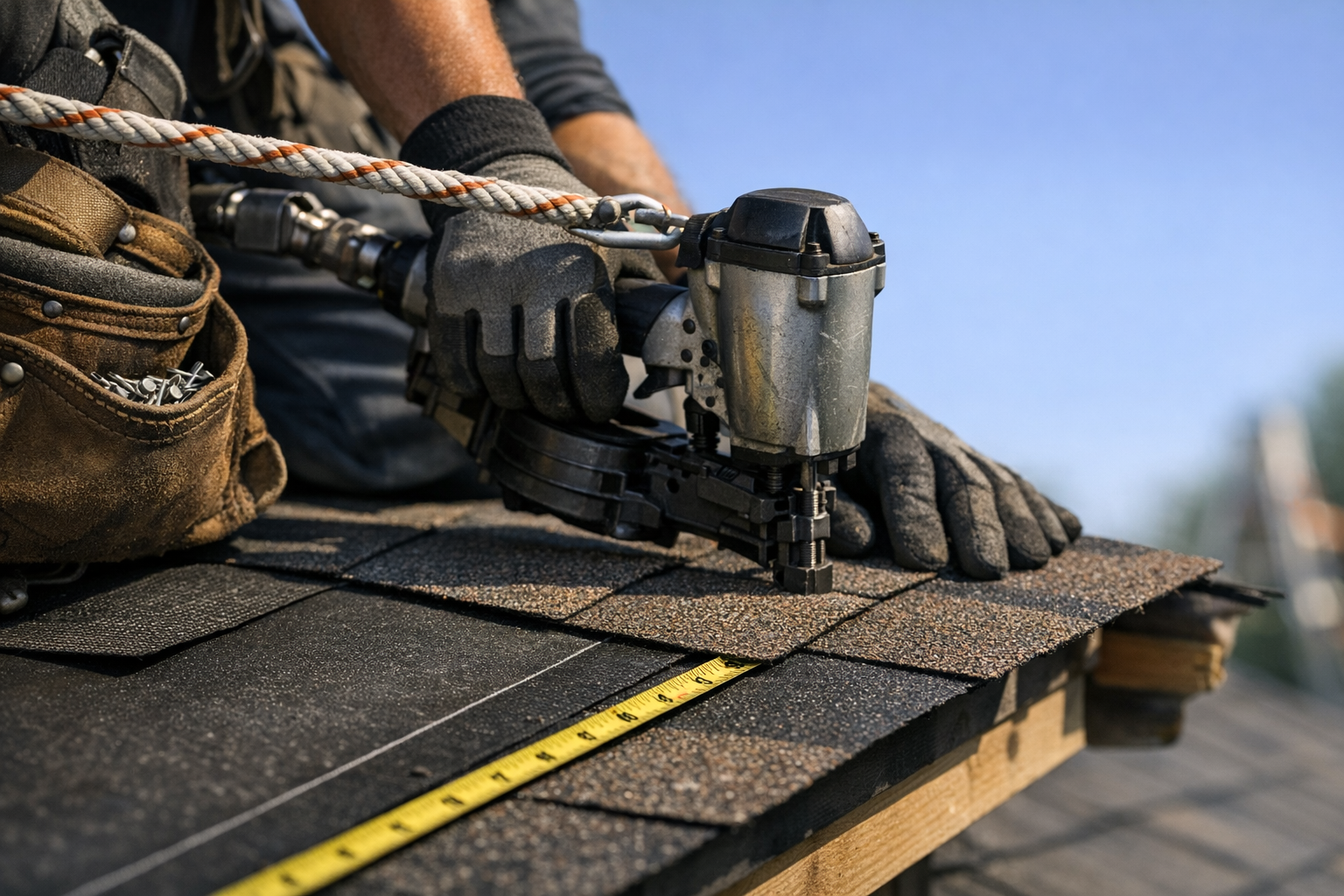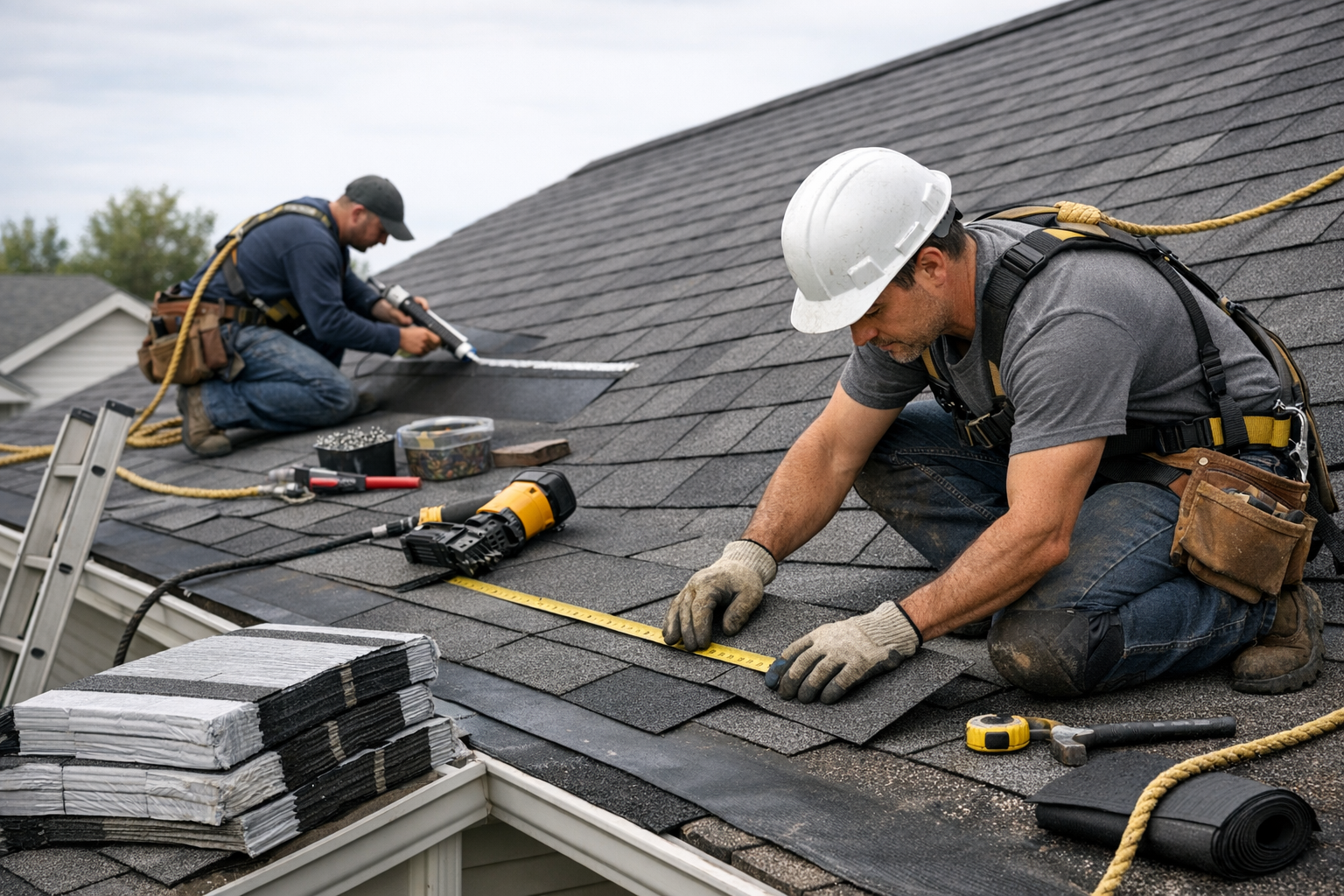

Roof Leak Repair: 10 Causes Crews Find Most Often
That “small roof drip” in your ceiling could be quietly rotting wood, growing mold, and setting you up for a far more expensive repair than you realize. In this guide, you’ll learn exactly what roof leak repair is, how to spot early warning signs, what really causes leaks, when to call a pro, how much repairs typically cost, and the steps to protect your home (and budget) from ongoing water damage.
Why Roof Leaks Happen: Understanding the Real Risk Behind “Just a Drip”
When I inspect homes, I often hear the same phrase: “It’s just a small drip.” The problem is that a small drip is rarely small for long. Roof systems are layered, and once water gets past the outer surface, it can spread in ways most homeowners never see.
How a Small Roof Leak Turns into Major Damage (and Costs)
A roof leak usually starts with a small entry point. A lifted shingle, a cracked boot, or a loose piece of flashing allows water to slip in. From there, gravity and surface tension carry that moisture along rafters, decking, and insulation.
What begins as a brown ceiling stain can turn into:
- Rotting roof decking
- Damaged insulation
- Compromised drywall
- Electrical risks
I have seen minor leaks that could have been resolved with a simple roof leak repair escalate into structural repairs because they were ignored for one season too long.
Hidden Dangers: Mold, Structural Damage, and Indoor Air Quality Issues
Moisture trapped in dark attic spaces creates ideal conditions for mold growth. Mold does not just affect wood. It can impact insulation and eventually your indoor air quality.
The EPA's guide to mold and moisture confirms that controlling moisture — not just cleaning visible mold — is the only real way to stop it from coming back.
Long term leaks can weaken framing members and roof decking. Over time, this may lead to sagging areas or soft spots that feel spongy underfoot. That is not just cosmetic damage. It is structural.
Why Early Roof Leak Repair Saves More Than Just Money
Early roof leak repair protects more than your wallet. It protects your home’s structure, your belongings, and your family’s health.
A timely repair often involves replacing a limited area of shingles or resealing flashing. Waiting can mean replacing large roof sections, interior drywall, and even flooring. Acting early keeps the repair focused and contained.
When a Leak Is an Emergency vs. When You Can Schedule an Inspection
If water is actively dripping through a ceiling, pooling near electrical fixtures, or entering during a storm, that is an emergency. Immediate containment and a prompt professional visit are critical.
If you notice a stain that is dry and not spreading, you can usually schedule a roof inspection within a reasonable timeframe. I still recommend acting quickly. Even a slow leak is a sign your roofing system has been compromised.
What Is Roof Leak Repair? A Simple Guide for Homeowners
Many homeowners are not sure what roof leak repair actually involves. It is not just spreading sealant over a wet spot. It is a targeted process that identifies and fixes the root cause.
The Basic Steps Crews Follow During Roof Leak Repair
A professional roof leak repair typically includes:
- Interior inspection of ceilings and attic
- Exterior roof assessment
- Identification of entry point
- Removal of damaged materials
- Installation of new components
- Water testing if needed
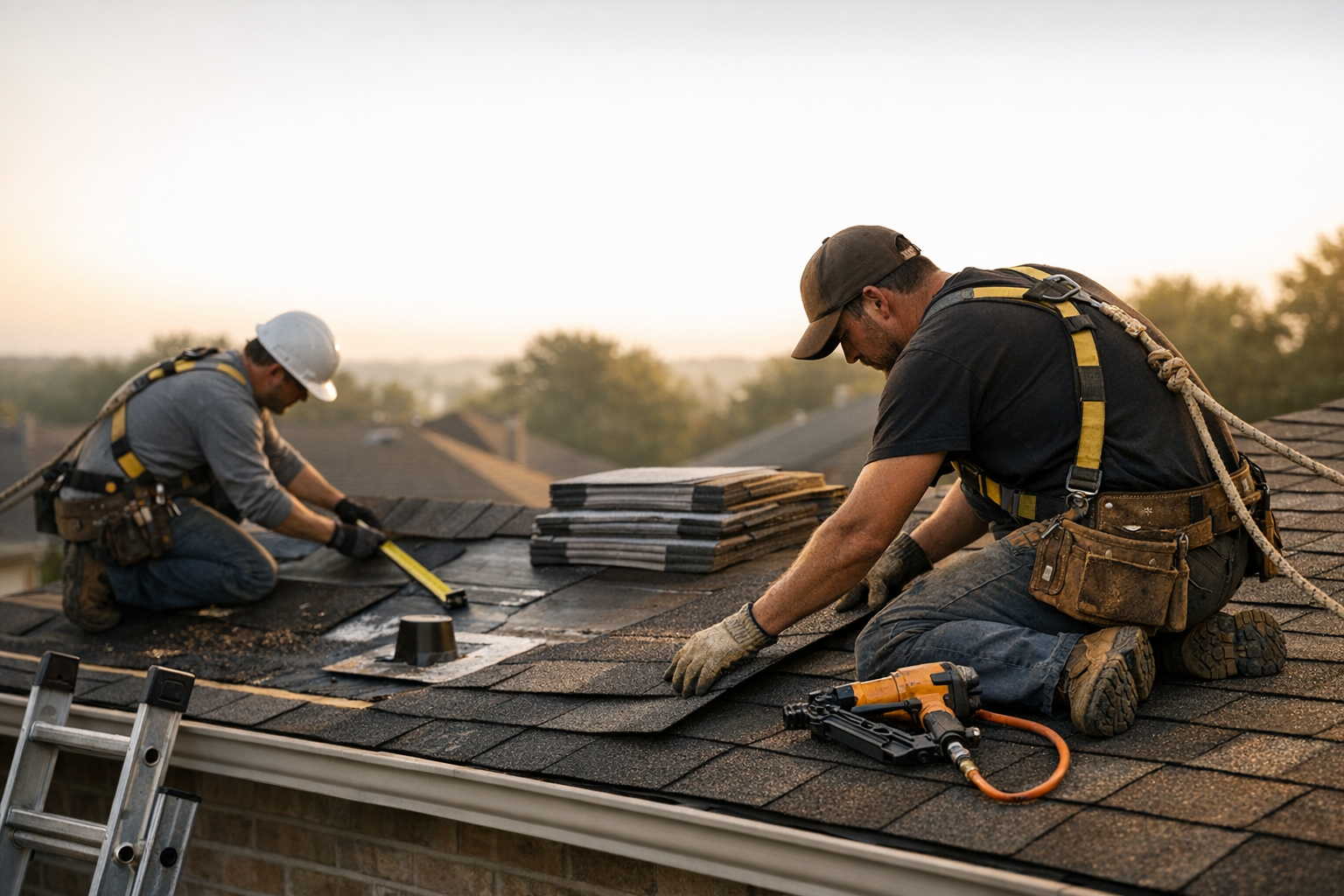
For example, if flashing around a chimney has failed, we remove surrounding shingles, replace the flashing properly, and reinstall shingles with correct fastening and sealing.
Who Actually Does the Work: Roofer vs. Handyman vs. General Contractor
Roof leak repair should almost always be handled by a qualified roofing professional. Roofers understand underlayment, ventilation, flashing details, and manufacturer guidelines.
Handymen may handle minor surface fixes, but they often lack deep roofing system knowledge. General contractors usually coordinate larger projects. For a focused leak issue, a roofing specialist is the most reliable choice.
How Pros Find the True Source of a Roof Leak (Not Just Where Water Shows Up)
Water travels. The wet ceiling spot you see may be several feet away from the entry point.
In many cases, I trace leaks uphill from the interior stain. We look for nail penetrations, flashing joints, and roof penetrations above the affected area. This approach ensures the roof leak repair addresses the real source.
Typical Timelines for Inspection, Diagnosis, and Repair
An inspection usually takes one to two hours, depending on roof size and complexity. Minor repairs may be completed the same day. More complex issues may require ordering materials and returning within a few days.
The key takeaway is this: diagnosing properly takes time. Rushing the process often leads to repeat leaks.
How to Tell If You Need Roof Leak Repair
Some signs are obvious. Others are subtle and easy to overlook.
Clear Warning Signs Indoors: Stains, Bubbling Paint, Musty Smells
Look for yellow or brown ceiling stains, peeling paint, or bubbling drywall. These are classic indicators of moisture intrusion.
A musty smell in upper rooms or closets can also signal hidden moisture. I often tell homeowners to trust their senses. If something smells damp, it probably is.
Exterior Red Flags: Missing Shingles, Exposed Nails, Sagging or Soft Spots
From the ground, you may notice shingles that are cracked, curled, or missing. Exposed nail heads and loose flashing are also warning signs.
If you safely access the roof and feel soft spots, that can indicate rotted decking beneath. At that point, roof leak repair should not be delayed.
Using Your Attic as an “Early Warning System”
Your attic is one of the best places to detect leaks early. Look for:
- Wet insulation
- Dark water trails on wood
- Rusted nails
- Mold growth
A flashlight inspection after heavy rain can reveal issues before they reach your ceiling.
When Your Roof Leak Might Actually Be a Plumbing or HVAC Issue
Not every ceiling stain is caused by roofing. Plumbing vent pipes, HVAC condensation lines, and bathroom fans can all leak.
If moisture appears directly below a bathroom or mechanical area, both roofing and interior systems should be evaluated. Proper diagnosis is essential before beginning roof leak repair.
Quick Safety Steps to Take Before the Crew Arrives
When you discover a leak, your first priority is safety and damage control.
How to Protect Your Belongings and Reduce Indoor Damage
Move furniture and electronics away from the affected area. Place plastic sheeting over large items that cannot be moved.
If the ceiling is bulging with water, carefully puncture the lowest point with a small screwdriver to release pressure into a bucket. This can prevent a larger collapse.
When (and How) to Safely Shut Off Power Near a Leak
If water is near light fixtures or outlets, turn off power to that circuit at the breaker panel. Never touch wet electrical components.
Safety always comes before temporary fixes.
Temporary Containment: Buckets, Tarps, and Where to Place Them
Place buckets directly under drips. In attics, a tarp can be positioned to channel water into a container.
Exterior tarping should only be done if conditions are safe. Slippery roofs and storms create serious fall risks.
Common Homeowner Mistakes That Make Roof Leaks Worse
- Spreading roofing tar over large areas without diagnosis
- Walking on wet shingles
- Ignoring attic moisture
- Delaying professional roof leak repair
Quick patches may hide symptoms without solving the underlying issue.
Roof Leak Repair: 10 Causes Crews Find Most Often
When I conduct inspections, patterns emerge. Most roof leak repair calls fall into a handful of categories.
Why “The Obvious Wet Spot” Is Rarely the Real Source of the Leak
Water can enter at the ridge and travel down rafters before appearing on a ceiling. The visible stain is often the endpoint, not the beginning.
That is why we examine uphill areas, penetrations, and transitions first.
How Pros Prioritize Multiple Leak Sources on Older Roofs
On aging roofs, there may be several weak points. We prioritize active leaks first, then address areas likely to fail soon.
This staged approach prevents recurring service calls and protects the roof system as a whole.
Cost Drivers: What Makes One Leak Simple and Another Complex
- Roof pitch and accessibility
- Material type
- Extent of hidden damage
- Number of affected components
A single shingle replacement is very different from repairing structural decking and multiple penetrations.
Cause #1: Aging or Damaged Shingles
Shingles are your roof’s first line of defense.
How Sun, Wind, and Hail Slowly Break Down Asphalt Shingles
Ultraviolet rays dry out asphalt shingles over time. Wind lifts edges and breaks adhesive seals. Hail can bruise or crack the surface.
This gradual wear often leads to small openings that require roof leak repair.
Common Shingle Problems: Curling, Cracking, Granule Loss, and Blow-Offs
Curling edges allow wind-driven rain underneath. Cracks create direct entry points. Granule loss exposes asphalt to faster deterioration.
Blow-offs leave sections of underlayment exposed, which can quickly lead to leaks.
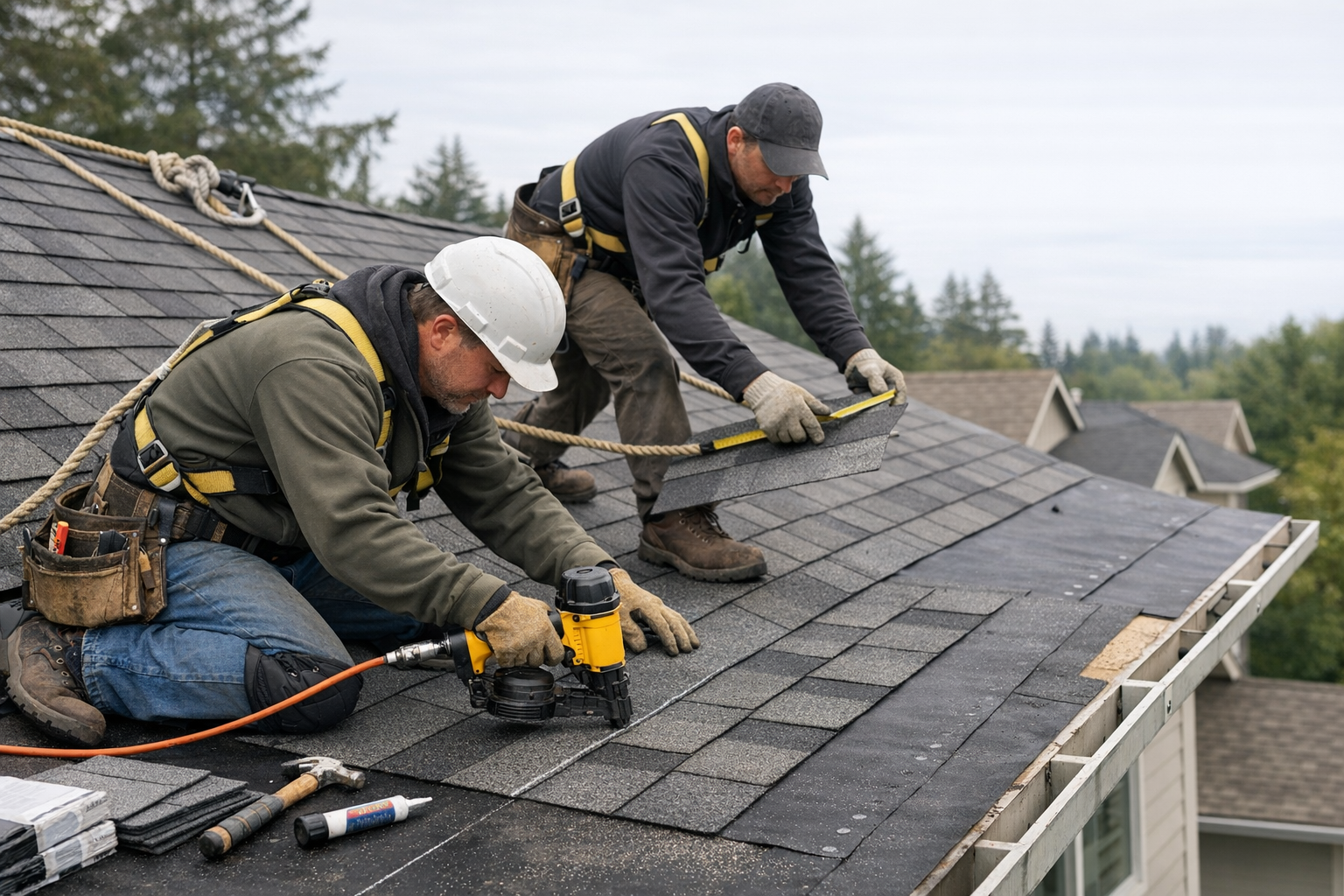
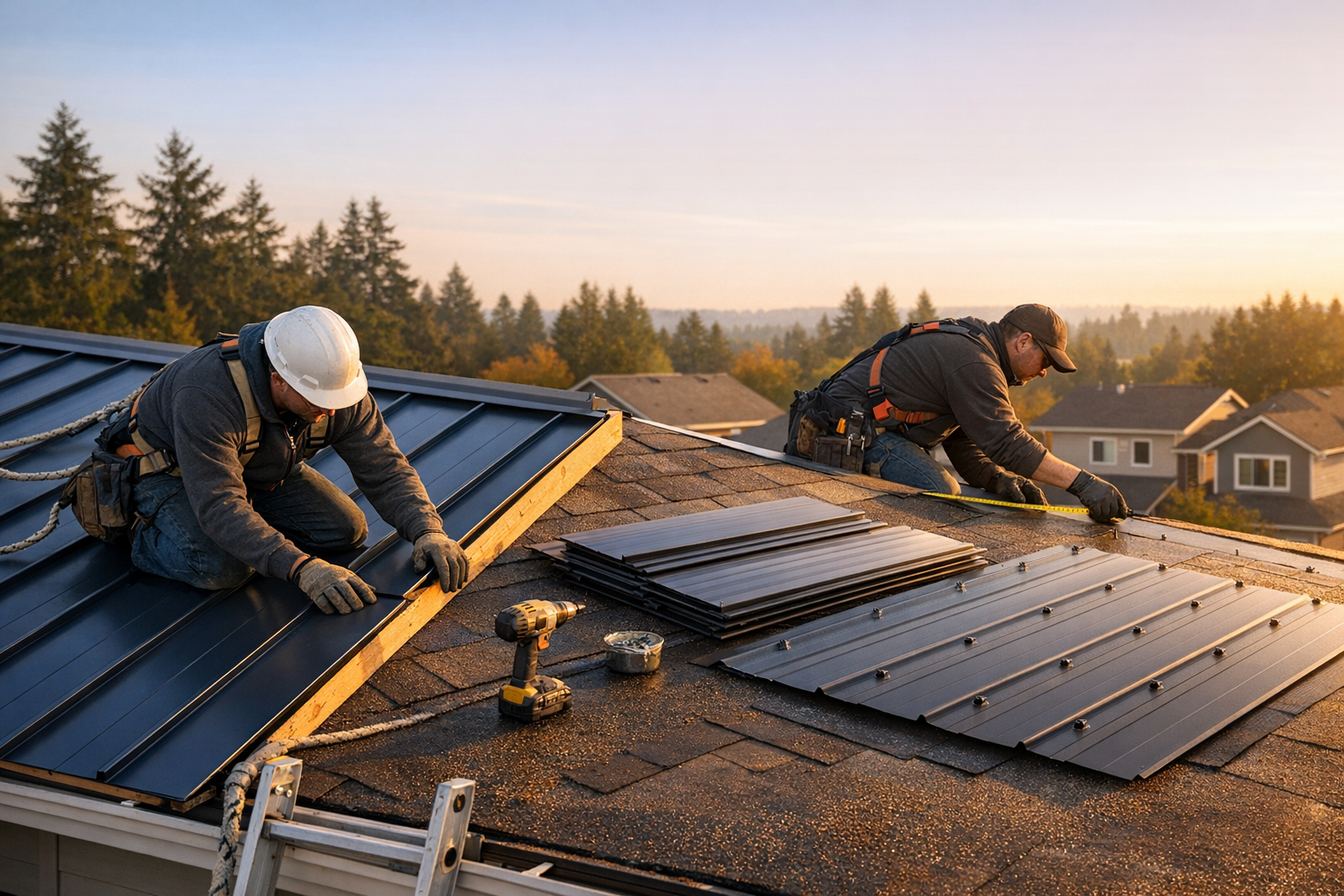
How Crews Repair Leaks from Damaged Shingles (Step-by-Step Overview)
- Lifting surrounding shingles carefully
- Removing damaged pieces
- Inspecting underlayment and decking
- Installing new shingles
- Sealing and fastening correctly
Attention to fastening patterns and alignment is critical.
When Shingle Repair Is Enough vs. When You’re Due for a New Roof
If damage is isolated and the roof is relatively young, repair is often sufficient.
If shingles are brittle across large areas and nearing the end of their lifespan, repeated roof leak repair may not be cost effective compared to replacement.
Cause #2: Failed Flashing Around Chimneys, Walls, and Roof Edges
Flashing protects vulnerable transitions.
What Roof Flashing Is and Why It Matters So Much for Leak Prevention
Flashing is thin metal installed at joints and penetrations. It directs water away from seams where roofing meets vertical surfaces.
Without proper flashing, water can easily enter behind shingles.
Typical Flashing Failure Points: Chimneys, Skylights, Sidewalls, and Valleys
Chimneys and sidewalls are common trouble spots. Sealants can dry out, and metal can corrode.
Valleys, where two roof slopes meet, also rely heavily on intact flashing.
How Pros Spot Bad Flashing That Looks “Fine” from the Ground
From the ground, flashing may appear intact. Up close, we look for lifted edges, rust, loose fasteners, and deteriorated sealant joints.
Small separations can allow significant water intrusion.
Flashing Repair vs. Full Replacement: What to Expect from Your Roofer
Minor issues may involve resealing or re-securing sections. Extensive corrosion usually requires full replacement of flashing components during roof leak repair.
Cause #3: Leaky Roof Vents, Pipe Boots, and Penetrations
Every penetration is a potential leak point.
How Plumbing Vent Boots Crack, Dry Out, and Start Leaking
Rubber pipe boots surround plumbing vents. Over time, sun exposure causes cracking.
Once the seal around the pipe fails, water can run directly into the attic.
Other Penetration Leaks: Exhaust Vents, Satellite Dishes, and Cable Mounts
Improperly sealed exhaust vents and mounted equipment can create gaps. I often see screws installed without proper sealing washers.
These small oversights lead to ongoing roof leak repair calls.
The Right Way to Seal a Roof Penetration (and the Wrong DIY Fixes Crews Undo)
Proper sealing involves compatible flashing components and correct shingle integration.
Smearing caulk around a vent might slow a leak temporarily. It rarely provides a durable solution.
Why “Caulking Everything” Is Not a Long-Term Roof Leak Repair Strategy
Caulk deteriorates with UV exposure and temperature swings. Without correcting underlying installation issues, leaks return.
Durable repairs rely on mechanical integration, not just surface sealants.
Cause #4: Clogged Gutters and Poor Roof Drainage
Water must move off your roof efficiently.
How Backed-Up Gutters Force Water Under Shingles and Into Your Home
When gutters clog, water backs up along the roof edge. It can wick under shingles and penetrate fascia boards.
This often results in edge-related roof leak repair.
Signs Your Gutters Are Contributing to a Leak (Even If They’re Not Overflowing)
You may see peeling paint near eaves or staining along exterior walls.
Even without dramatic overflow, slow drainage can cause chronic moisture exposure.
Simple Homeowner Maintenance That Prevents Drainage-Related Leaks
Clean gutters at least twice per year. Check downspouts for blockages. Ensure water discharges several feet from the foundation.
Basic maintenance reduces many avoidable leaks.
When to Consider Gutter Guards, Downspout Extensions, or Added Drainage
If trees shed heavily, guards may help reduce debris buildup.
Extensions and splash blocks improve water flow away from the home, supporting overall roof performance.
Cause #5: Ice Dams and Cold Climate Roof Leaks
Cold climates introduce unique challenges.
What an Ice Dam Is and How It Forms Along Your Roof Edge
An ice dam forms when attic heat melts snow on the roof. Meltwater flows downward and refreezes at the colder eaves.
This creates a barrier that traps water behind it.
How Ice Dams Push Water Backwards Under Shingles and Into the Attic
Trapped water backs up under shingles and seeps into the roof deck.
This often leads to mid-winter roof leak repair calls.
Safe Ice Dam Prevention: Insulation, Ventilation, and Air Sealing
Improving attic insulation reduces heat loss. Proper ventilation keeps roof temperatures consistent.
Air sealing prevents warm air from escaping into attic spaces.
Why Crews Focus on Attic Conditions, Not Just Exterior Ice Removal
Removing ice alone does not fix the root cause. Addressing insulation and ventilation prevents recurring leaks.
Cause #6: Damaged Roof Valleys Where Slopes Meet
Valleys handle high water volume.
Why Valleys Are One of the First Places Crews Check for Leaks
Because they channel runoff from two slopes, valleys experience concentrated flow.
Any weakness here can quickly lead to roof leak repair.
Common Valley Issues: Worn Underlayment, Nail Pops, and Debris Buildup
Underlayment can deteriorate over time. Exposed nails create entry points.
Debris buildup slows drainage and traps moisture.
How Pros Repair Valley Leaks Without Replacing the Entire Roof
We may remove shingles along the valley, replace underlayment and flashing, and reinstall new shingles.
Targeted work preserves the rest of the roofing system.
Design and Material Choices That Make Valleys More Leak-Resistant
Metal valley liners and high-quality underlayment improve durability.
Proper installation is just as important as material selection.
Cause #7: Skylight Leaks and Poorly Installed Roof Windows
Skylights add light but increase complexity.
How to Tell If Water Is Coming from the Skylight or Surrounding Roofing
Check for moisture between glass panes. That may indicate seal failure.
Stains around the frame often point to flashing or integration issues.
Typical Skylight Leak Causes: Flashing Errors, Seal Failure, and Condensation
Improper flashing is common. Seal failure can allow water into the unit itself.
Condensation buildup may mimic a leak but originates from humidity issues.
When Resealing Is Enough vs. When a Skylight Must Be Replaced
Minor flashing issues may only require resealing.
Older skylights with failed seals or cracked frames are better replaced during roof leak repair.
Best Practices for Skylight Installation to Avoid Future Leaks
Proper flashing kits, underlayment integration, and correct pitch placement reduce risk.
Attention to detail during installation prevents recurring problems.
Cause #8: Flat Roof Ponding and Membrane Problems
Flat roofs behave differently than pitched systems.
Why Flat and Low-Slope Roofs Leak Differently Than Pitched Roofs
Water drains slowly on low-slope roofs. Standing water increases stress on seams and membranes.
Even small punctures can lead to widespread moisture intrusion.
Common Flat Roof Issues: Ponding Water, Blisters, Seams, and Punctures
Blisters form from trapped moisture. Seams can separate over time.
Punctures from foot traffic are also common causes of roof leak repair.
Overview of EPDM, TPO, Modified Bitumen, and How Each Is Repaired
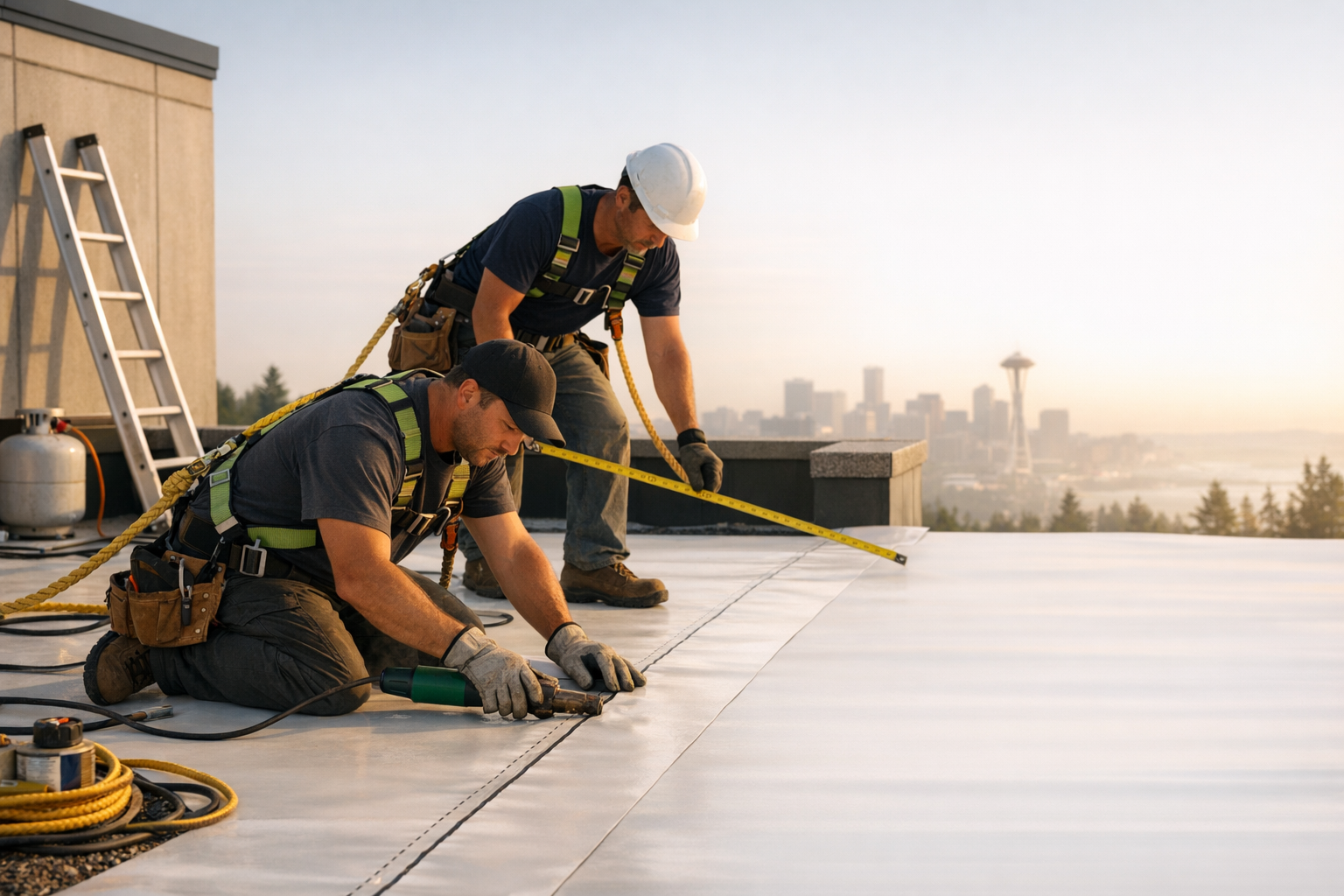
EPDM often requires patch adhesion with compatible membrane. TPO repairs involve heat welding.
Modified bitumen may require torch or cold-applied patches, depending on system type.
When Patching Is Appropriate vs. When a Flat Roof Needs Re-Roofing
Isolated damage can be patched effectively.
Widespread membrane aging usually indicates the need for broader replacement.
Cause #9: Roof Damage from Tree Limbs, Hail, and Storms
Storms create both immediate and delayed issues.
How Storm Damage Can Cause Slow Leaks That Appear Months Later
Hail impacts can bruise shingles without obvious holes. Over time, those bruised areas crack.
This delayed failure often results in later roof leak repair.
What Crews Look for After Wind or Hail: Bruised Shingles, Impact Points, and Tears
We check for granule loss, soft spots, lifted shingles, and punctures.
Detailed inspection prevents missed damage.
Storm Response: Temporary Tarping vs. Permanent Roof Leak Repair
Tarping protects exposed areas temporarily.
Permanent repairs involve replacing damaged components and verifying system integrity.
Insurance Considerations: Documenting Damage Before and After Repairs
Take clear photos before repairs begin. Document dates and weather events.
FEMA's guidance on documenting damage after severe weather lays out the same core principle insurers rely on: photograph before you clean up, and keep records of everything.
Thorough records support smoother claims processes.
Cause #10: Poor Installation or Previous “Band-Aid” Repairs
Not all leaks come from aging.
Installation Shortcuts That Almost Always Lead to Leaks Later
Improper nailing patterns, missing underlayment, and poorly integrated flashing create vulnerabilities.
These shortcuts often surface years later.
How to Recognize Low-Quality Past Repairs (Exposed Nails, Tar Blobs, Mismatched Materials)
Visible tar patches and exposed fasteners are warning signs.
Mismatched shingles can indicate piecemeal repairs without full integration.
Why Reputable Crews Often Recommend Undoing Old Work Before Fixing the Leak
Layering new fixes over flawed work rarely solves the problem.
Removing and correcting previous mistakes creates a stable foundation for roof leak repair.
Questions to Ask Roofers So You Don’t Repeat the Same Repair Cycle
- Diagnosis methods
- Repair scope details
- Warranty coverage
- Underlying cause identification
Clear answers build confidence.
How Pros Diagnose Roof Leaks (Beyond What Homeowners Can See)
Visual Inspection, Attic Assessment, and Moisture Mapping
We inspect both exterior and interior areas. Moisture meters help detect damp areas behind drywall.
Attic inspections often reveal entry paths hidden from view.
Using Hose Tests and Thermal Imaging to Trace Hidden Leak Paths
Controlled hose testing can replicate leaks under observation.
Thermal imaging identifies cooler, damp areas within roof assemblies.
Why Water Can Travel Far from the Actual Entry Point
Water follows the path of least resistance along framing and sheathing.
This lateral movement explains why stains appear far from the source.
What a Thorough Leak Inspection Report Should Include
- Suspected source
- Supporting evidence
- Recommended repairs
- Photos
- Preventive suggestions
Clear documentation supports informed decisions.
DIY Roof Leak Repair vs. Hiring a Professional Crew
Which Minor Tasks Homeowners Can Safely Handle (and Which to Avoid)
Cleaning gutters and replacing a few accessible shingles may be manageable for experienced individuals.
Complex flashing or structural issues should be left to professionals.
Safety Risks of Climbing on Your Roof or Working Near Power Lines
Falls are a serious risk. Wet or steep roofs increase danger.
Power lines near roof edges add another layer of hazard.
Hidden Costs of “Cheap” DIY Patches That Crews See All the Time
Improper patches can trap moisture and worsen damage.
I frequently see DIY sealant applications that complicate future roof leak repair.
When to Call a Pro Immediately Instead of Attempting a Temporary Fix
- Structural sagging is visible
- Electrical systems are affected
- Multiple leak points exist
- Storm damage is extensive
Prompt action limits further harm.
Typical Costs of Roof Leak Repair and What Influences Price
Cost Ranges for the 10 Most Common Roof Leak Repairs
Minor shingle replacements may cost a few hundred dollars.
Flashing replacement, valley repairs, or skylight corrections can range higher depending on complexity and material.
Flat roof membrane patches vary by size and system type.
Factors That Affect Pricing: Roof Age, Pitch, Materials, and Access
Steep roofs require additional safety measures.
Specialty materials and limited access increase labor time and cost.
How to Compare Roof Repair Quotes Fairly (and Spot Red Flags)
Compare scope of work, materials listed, and warranty terms.
Extremely low bids may omit critical steps.
Financing, Warranties, and How Repairs Impact Long-Term Roof Value
Some companies offer financing for larger repairs.
Quality roof leak repair can extend roof life and protect property value.
How to Choose a Roof Leak Repair Company You Can Trust
Non-Negotiables: Licensing, Insurance, and Manufacturer Certifications
Verify proper licensing and insurance coverage.
Certifications indicate training and adherence to standards.
Online Reviews vs. Referrals: What Actually Predicts a Good Experience
Reviews provide broad insight. Referrals from trusted contacts add confidence.
Look for consistent patterns of professionalism.
Key Questions to Ask During a Roof Leak Repair Estimate
Ask how the leak source was identified and what guarantees are included.
Clarity in communication is a strong indicator of reliability.
How Strong Warranties and Written Scopes Protect You from Surprises
A written scope outlines exactly what will be repaired.
Warranties provide peace of mind and accountability.
Preventing Roof Leaks Before They Start
Simple Seasonal Roof Maintenance Checklist for Homeowners
- Inspect shingles from the ground
- Clean gutters
- Check attic for moisture
- Trim overhanging branches
Routine checks catch small issues early.
How Often to Schedule Professional Roof Inspections
I recommend professional inspections every one to two years, and after major storms.
Regular evaluations reduce unexpected roof leak repair calls.
Upgrades That Reduce Leak Risk: Underlayment, Drip Edge, and Ventilation
High-quality underlayment adds a secondary moisture barrier.
Drip edge improves water control at roof edges.
Balanced ventilation protects both shingles and attic spaces.
Why Proactive Maintenance Often Extends Roof Life by Years
Addressing minor wear prevents accelerated deterioration.
Consistent care preserves the entire roofing system.
Common Roof Leak Repair Mistakes Homeowners Make
Ignoring “Minor” Stains and Waiting Until Ceilings Are Actively Dripping
Small stains signal early moisture intrusion.
Waiting often leads to larger, more expensive repairs.
Covering Symptoms with Paint or Caulk Instead of Fixing Root Causes
Painting over stains does not stop leaks.
True roof leak repair addresses entry points directly.
Trusting Door-Knockers After Storms Without Vetting Credentials
Always verify credentials and insurance.
Rushed decisions after storms can lead to poor workmanship.
Skipping Attic Inspections After Repairs to Confirm the Leak Is Truly Fixed
After repairs, check the attic during the next rain.
Confirming dryness ensures the issue has been resolved.
When a Roof Leak Means It’s Time to Plan for Replacement
Signs Your Roof Has Reached the End of Its Cost-Effective Repair Life
Frequent leaks, widespread shingle failure, and extensive granule loss indicate aging.
Multiple repair areas suggest systemic decline.
How to Budget and Plan for Roof Replacement After Repeated Leaks
Request detailed assessments and cost estimates.
Plan financially to avoid emergency decisions.
Coordinating Leak Repairs with Future Replacement to Avoid Wasted Spend
Temporary repairs may be necessary.
However, avoid investing heavily in sections that will soon be replaced.
Transitioning from Emergency Fixes to a Long-Term Roof Strategy
Shift from reactive repairs to proactive planning.
A clear strategy protects both budget and home.
Next Steps: Getting Your Roof Leak Assessed and Repaired
What to Have Ready Before You Call a Roof Leak Repair Crew
Note when the leak occurs and during what weather conditions.
Document affected rooms and timeline.
Photos and Information That Help Roofers Diagnose Faster
Take clear photos of stains, attic moisture, and exterior damage if visible.
This speeds up inspection and planning.
How a Professional Evaluation Visit Typically Works
Expect interior and exterior assessments.
You should receive a clear explanation of findings and recommended roof leak repair steps.
Turning an Emergency Leak into a Long-Term, Leak-Free Roofing Plan
An emergency visit addresses immediate damage.
From there, develop a maintenance and inspection plan to prevent recurrence.
With the right approach, roof leak repair becomes not just a fix, but part of a broader strategy to protect your home for years to come.
Key Takeaways
- Roof leaks often start with minor issues—such as damaged shingles, failed flashing, or clogged gutters—but can quickly escalate into major structural and health problems if not addressed promptly.
- Early detection and professional roof leak repair are crucial for preventing costly damage, with experts recommending regular inspections, attentive maintenance, and immediate action when warning signs like stains or musty odors appear.
- Most roof leaks stem from a handful of common causes, including aging shingles, flashing failures, compromised roof penetrations, drainage problems, and storm or installation damage, highlighting the importance of targeted, expert repair over DIY fixes.
- Choosing a licensed, insured, and well-reviewed roof leak repair company ensures proper diagnosis, quality repairs, and strong warranties, which protect your home’s long-term value and reduce the risk of recurring leaks.
- Proactive roof maintenance—such as seasonal inspections, cleaning gutters, and upgrading key components—significantly extends roof lifespan and minimizes emergency roof leak repair calls.
Frequently Asked Questions
1. What are the most common causes of roof leaks?
The top causes of roof leaks include aging or damaged shingles, failed flashing, leaky roof vents and penetrations, clogged gutters, ice dams, damaged valleys, skylight issues, flat roof membrane problems, storm damage, and poor installation or previous patchwork repairs.
2. How can I tell if my roof needs leak repair?
Warning signs include ceiling stains, bubbling paint, musty odors, missing or curled shingles, exposed nails, and soft spots on the roof or attic. Attic inspections after rain can reveal wet insulation, water trails, or rusted nails—clear indicators of a roof leak.
3. Should I attempt DIY roof leak repair or call a professional?
Simple tasks like cleaning gutters or replacing a few shingles may be safe for experienced homeowners. However, complex leaks, structural issues, or anything near electrical systems should always be handled by a licensed roofing professional to ensure safety and lasting repairs.
4. What should I do immediately if I discover a roof leak?
Move belongings away from the affected area, catch drips with buckets, and, if safe, shut off power near water exposure. Avoid walking on wet roofs or spreading caulk indiscriminately. Call a qualified roof leak repair crew promptly to prevent further damage.
5. How much does roof leak repair typically cost?
Roof leak repair costs vary by issue. Minor shingle fixes may cost a few hundred dollars, while flashing, valley, or skylight repairs can be higher. Factors like roof pitch, material, and extent of damage also impact price. Always compare repair quotes, scope, and warranties.
Do not let a small leak turn into a major problem. Protect your home and your peace of mind with expert roof repair from trusted roofing professionals. For fast, reliable solutions and long-lasting results, schedule a consultation today and discover how our roofing services can keep your home safe, dry, and secure for years to come.