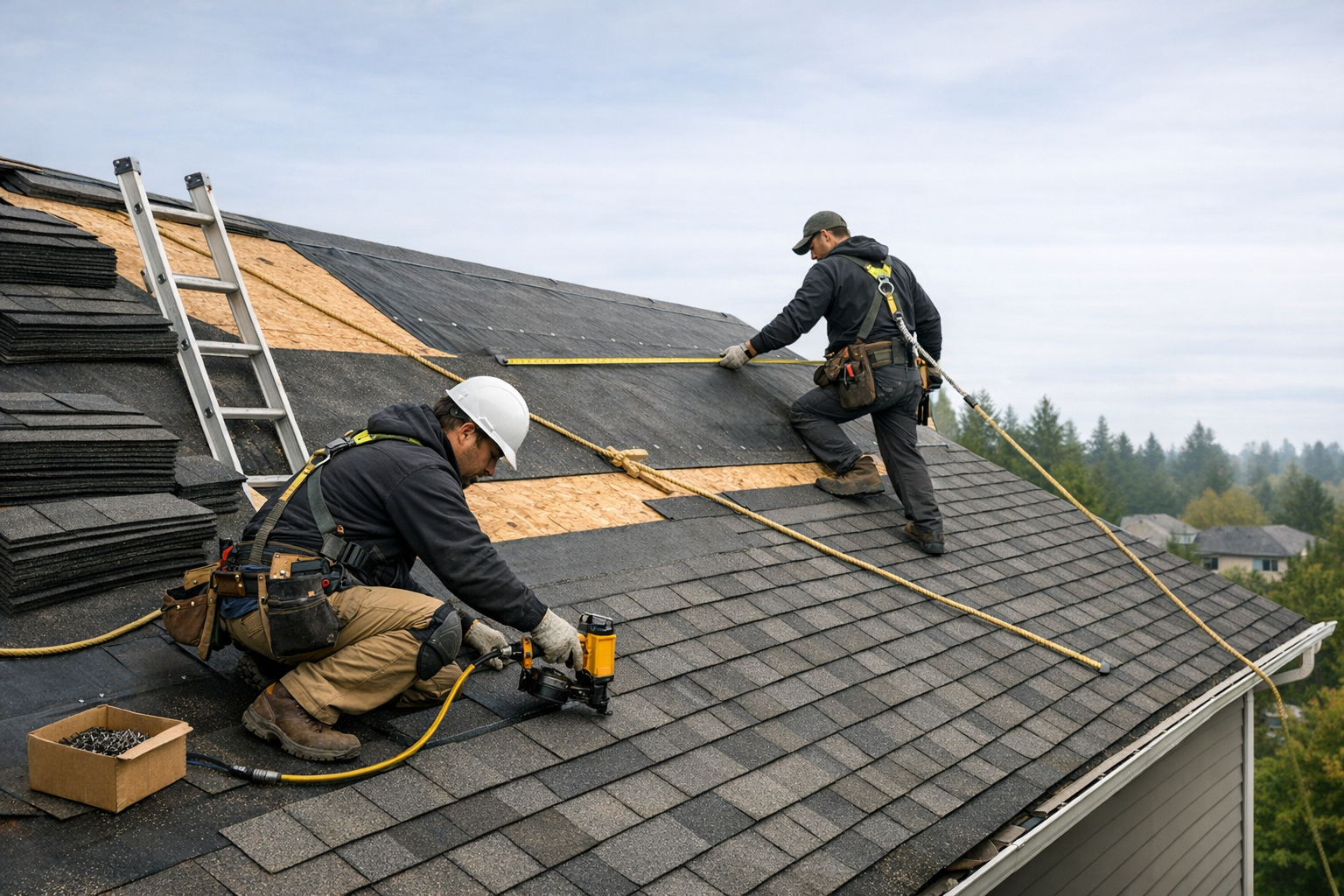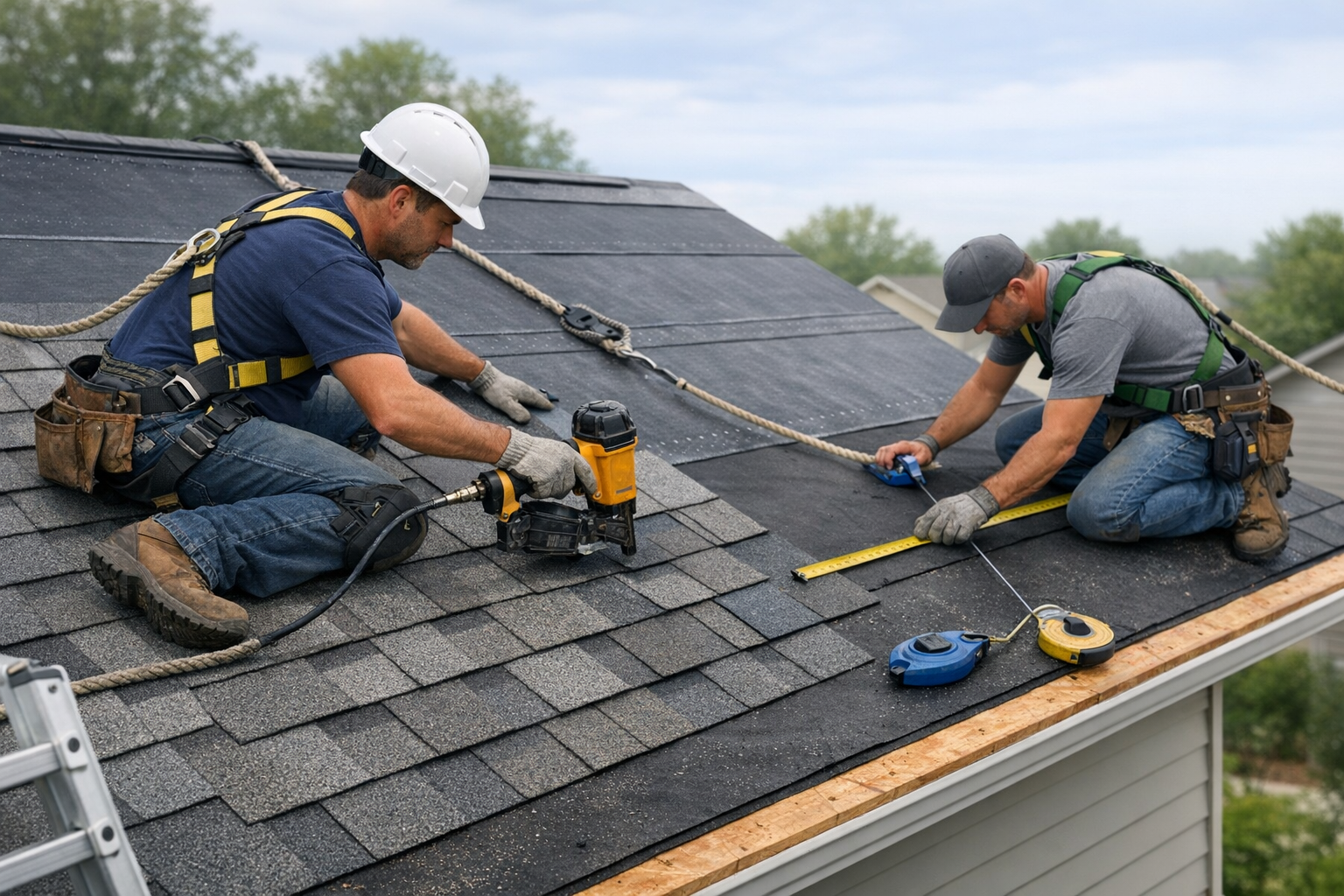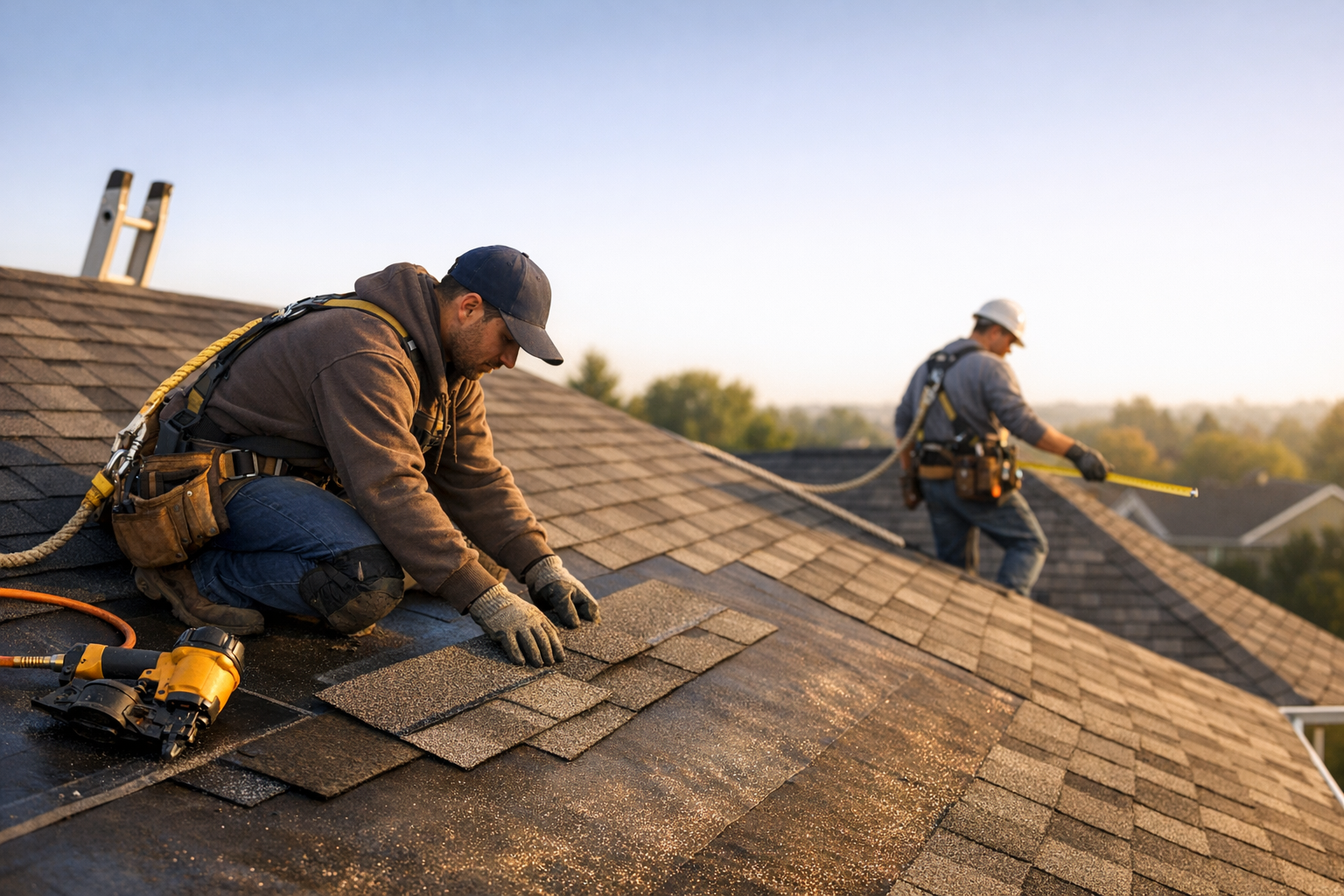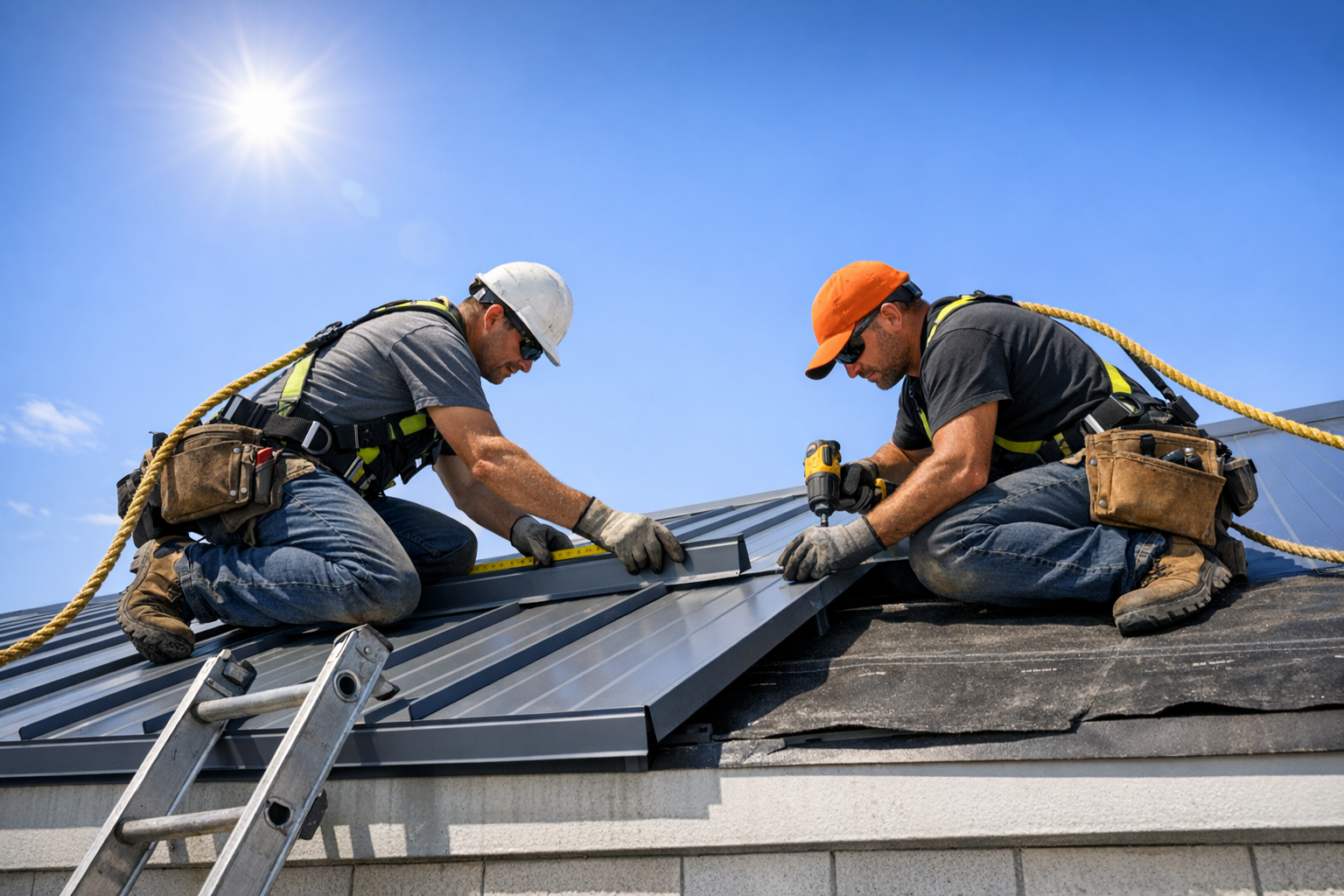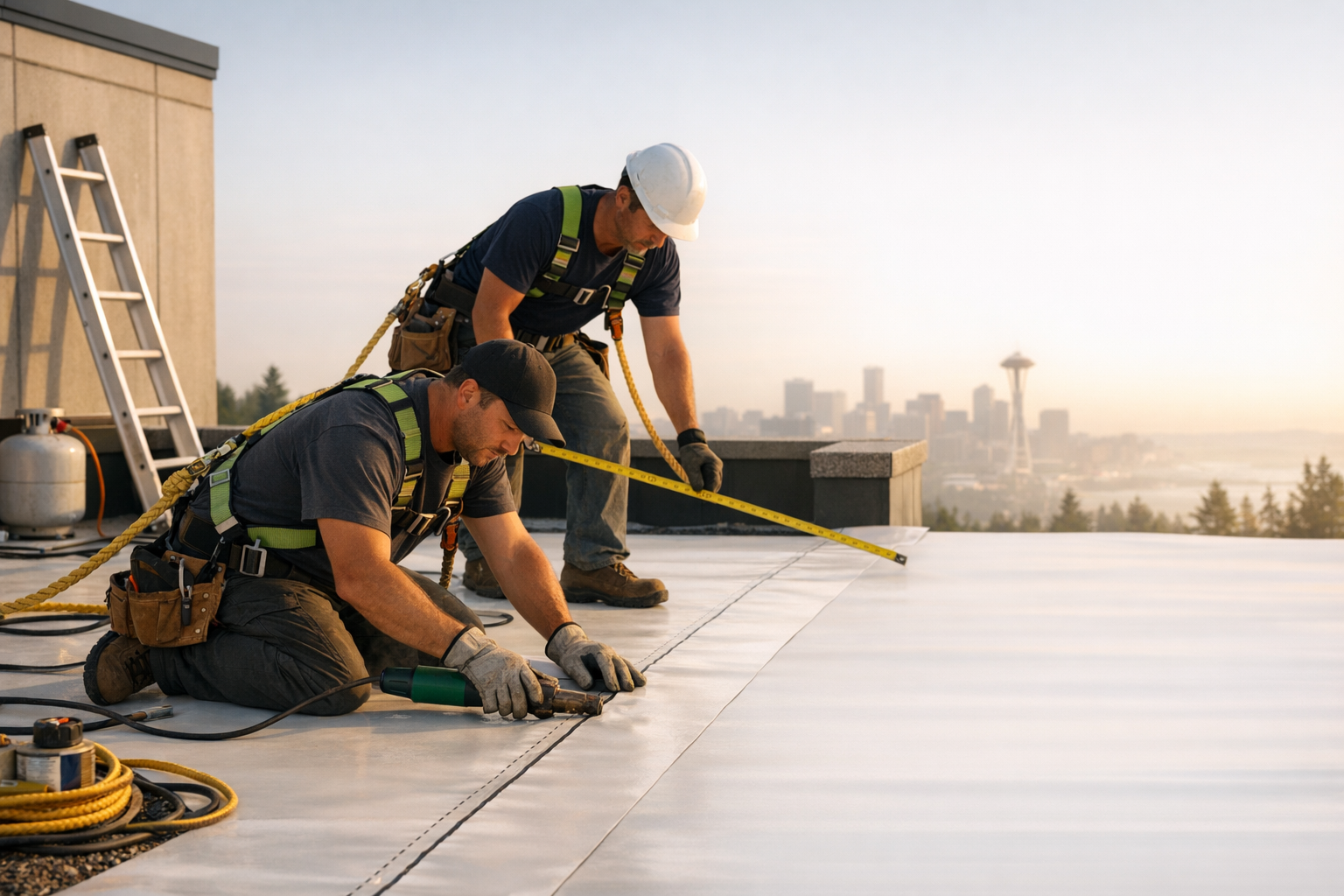

Metal Roofing Near Me: How To Spot Quality From A Distance
Typing "metal roofing near me" isn’t just a quick Google search—it’s a high‑stakes decision about who you trust to protect your home, your budget, and your peace of mind for decades. In this guide, you’ll learn how to decode that search into smart choices about materials, warranties, and local contractors so you can confidently pick a metal roof—and installer—that’s engineered for your climate and built to last.
What Is “Metal Roofing Near Me” Actually Telling You?
When someone types Metal Roofing Near Me into a search bar, it might look simple. In reality, that phrase carries a lot of meaning. I have worked with enough homeowners and property managers to know that this search is rarely just about location. It is about trust, quality, cost, and long-term protection.
Let’s break down what that search really signals.
What homeowners really mean when they search “metal roofing near me”
When I hear someone say they searched for “metal roofing near me,” I know they are usually asking three unspoken questions:
- Who can I trust locally?
- Is metal roofing the right choice for my building?
- How do I avoid making an expensive mistake?
In plain terms, the search reflects urgency and caution. Metal roofing is not a small purchase. It is a structural investment that affects your home’s value, energy efficiency, and resale potential. Most homeowners searching this term are comparing options and trying to separate quality contractors from average ones.
There is also a local intent. People want a company that understands regional weather patterns, building codes, and permit requirements. A contractor who installs metal roofing in your climate every week will make different recommendations than one who operates in a completely different region.
So when you search “Metal Roofing Near Me,” you are not just looking for a product. You are looking for expertise that applies to your exact conditions.
The 3 decisions hiding inside that simple search (material, installer, warranty)
That single search phrase hides three major decisions:
- Material choice: standing seam, exposed fastener, specialty steel tiles.
- Installer quality: craftsmanship, safety standards, fabrication capability.
- Warranty protection: manufacturer coverage and workmanship guarantees.
Most people focus first on material. They compare metal roof types and colors. But in my experience, the installer matters just as much as the panel itself. A premium standing seam system installed poorly will fail faster than a mid-range system installed with precision.
Then there is the warranty. Many listings promise “lifetime coverage,” but the fine print matters. Does it cover paint fade? Wind uplift? Labor? These details often determine whether you are protected or just reassured.
When I guide clients, I always frame these as connected decisions. The right material paired with the right installer and backed by a clear warranty is what delivers real value.
Why local expertise matters more with metal roofs than with asphalt
Metal roofing responds differently to climate than asphalt shingles. Expansion and contraction, snow retention, wind uplift ratings, and fastener placement all require careful engineering.
For example, in heavy snow regions, improper seam height or lack of snow guards can create dangerous slide-off conditions. In high-wind zones, panel width and fastening patterns must meet strict uplift standards. These are not small details.
Local expertise also affects code compliance. Some municipalities require specific fire ratings or impact-resistant materials. A contractor who regularly works in your area will already understand these requirements.
That is why “Metal Roofing Near Me” should never be just about distance. It should be about experience rooted in your specific environment.
Why Metal Roofing Quality Matters Long Before Installation
Many people assume quality begins on installation day. In reality, it starts much earlier, with design decisions and material selection.
How metal roofing impacts curb appeal, comfort, and long-term costs
A well-designed metal roof can completely transform curb appeal. Clean vertical seams, consistent color, and precise trim details create a crisp architectural look that asphalt often cannot match.
But the impact goes deeper than appearance. Metal roofing reflects solar radiation more effectively when coated with modern finishes. That can reduce attic temperatures and improve energy efficiency.The U.S. Department of Energy notes that reflective roofing systems can help reduce heat absorption and improve overall building energy performance in many climates..
Long-term cost is where metal roofing often stands out. While upfront pricing can be higher than asphalt, lifecycle cost tends to be lower due to longevity and minimal maintenance. I often tell clients to think in terms of 30 to 50 years, not just initial price.
Quality metal roofing is not just about how it looks. It is about how it performs every season.
Lifespan comparison: metal vs. asphalt vs. flat and specialty systems
Here is a simplified comparison:
- Asphalt shingles: 15 to 30 years depending on grade and climate.
- Metal roofing: 40 to 70 years when properly installed.
- Flat systems like TPO or EPDM: 15 to 30 years depending on maintenance.
- Specialty systems: varies widely based on material and exposure.
The difference often comes down to resistance. Metal handles hail, wind, and fire better than many alternatives. It is also less susceptible to rot and insect damage.
However, lifespan depends heavily on installation quality. Poor flashing or incorrect fastener placement can shorten even the best metal roof’s life. That is why searching “Metal Roofing Near Me” should lead you to companies that prioritize craftsmanship, not just product sales.
How climate, snow load, and wind ratings change what “quality” means
Quality is not universal. In one region, quality may mean corrosion resistance near salt air. In another, it may mean impact resistance against hail.
For snow-prone areas, you should look for:
- Engineered snow load ratings
- Proper seam height
- Snow retention systems
In high-wind zones:
- Verified wind uplift testing
- Correct fastening patterns
- Reinforced edge details
When I evaluate metal roofing systems, I always match specifications to climate. A system rated for 90 mph winds may not be enough in a 130 mph zone. Engineering matters.Industry testing standards developed by ASTM International help manufacturers evaluate roofing materials for wind resistance, durability, and long-term performance under demanding environmental conditions.
Understanding your region transforms “Metal Roofing Near Me” from a generic search into a targeted evaluation process.
How To Spot Quality From a Distance When Comparing Metal Roofing Near You
You do not need to climb a ladder to start assessing quality. In many cases, you can learn a lot just by observing.
Visual red flags and green flags you can see from the street
From the street, I look for straight panel lines and consistent spacing. Uneven seams or waviness can indicate poor fastening or improper substrate preparation.
Green flags include:
- Clean ridge caps and trim alignment
- Uniform color with no blotching
- Tight, consistent seams
Red flags include:
- Rust streaks near fasteners
- Panels that appear oil-canned excessively
- Loose or misaligned flashing
Oil-canning can occur naturally with metal, but excessive waviness may signal installation issues. Small details tell big stories.
Simple ways to assess roofs on commercial buildings, schools, and pavilions
Public buildings are often built to higher standards. Schools and municipal structures typically require engineered specifications and inspections.
When I review these roofs, I look for:
- Seam continuity across large spans
- Clean transitions at parapets
- Proper integration with gutters and downspouts
If a company consistently installs large commercial projects, it often indicates experience with complex detailing. That level of skill often translates well to residential projects.
Why “neat lines and tight seams” tell you a lot about the installer
Metal roofing is precision work. Standing seam systems rely on exact measurements and proper crimping.
Neat lines show that panels were measured, cut, and installed with care. Tight seams indicate proper engagement and secure locking.
If seams appear uneven or misaligned, it may mean rushed installation or poor fabrication practices. I always say that metal roofing reveals craftsmanship. It does not hide mistakes easily.
When a beautiful roof still isn’t a quality roof (hidden issues to consider)
Appearance is important, but it is not everything. A roof can look perfect while hiding:
- Inadequate underlayment
- Improper ventilation
- Incorrect fastening patterns
For example, a roof may have flawless lines but lack proper ice and water shielding in valleys. That can lead to leaks during freeze-thaw cycles.
This is why visual inspection is just the first step. True quality combines visible craftsmanship with hidden structural integrity.
Key Components of a High-Quality Metal Roof System
A metal roof is more than panels. It is a complete system working together.
Panels, seams, and profiles: what you’re really looking at on a roof
Panels come in various profiles: standing seam, ribbed, architectural. Standing seam systems conceal fasteners and provide clean vertical lines.
Seam height affects water resistance and snow performance. Higher seams typically offer better protection in heavy precipitation.
Panel gauge also matters. Thicker metal generally offers improved durability and dent resistance. When comparing “Metal Roofing Near Me,” ask about gauge, seam type, and panel width.
Underlayment, insulation, and decking: quality you don’t see but pay for
Underlayment acts as a secondary water barrier. High-temperature synthetic options perform better under metal than traditional felt.
Insulation and ventilation impact energy efficiency and condensation control. Poor attic ventilation can lead to moisture buildup beneath metal panels.
Decking must be solid and properly fastened. Installing premium panels over compromised decking undermines the entire system.
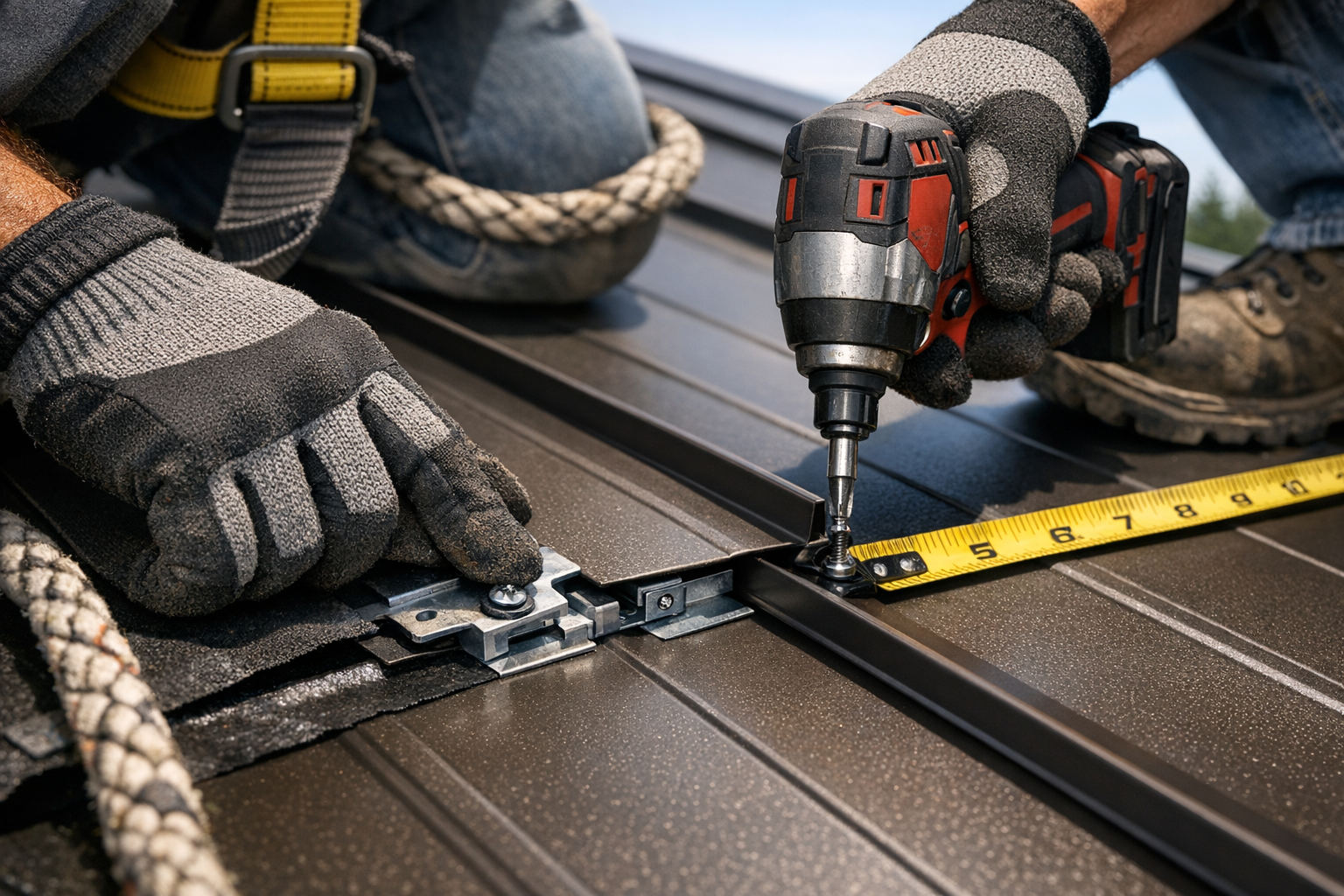
Fasteners, flashing, and trim: small details that prevent big leaks
Flashing at chimneys, skylights, and valleys is critical. These transition areas are common leak points.
Fasteners must be corrosion-resistant and properly spaced. Overdriven screws can damage panels. Underdriven screws can allow movement and leaks.
Trim details should align tightly with panel edges. Gaps or exposed cuts increase risk of water intrusion.
Snow, ice, and wind protection features for demanding climates
In colder regions, snow guards prevent sudden slide-offs. Ice and water shield membranes add protection in vulnerable areas.
In high-wind areas, enhanced fastening schedules and reinforced edge metal are essential.
These features are not upgrades. In certain climates, they are requirements for a durable metal roofing system.
Types of Metal Roofing You’ll See “Near Me” (And How to Compare Them)
Not all metal roofs are created equal. Comparing them requires understanding performance and budget trade-offs.
Standing seam metal roofing: when premium design and performance align
Standing seam metal roofing features concealed fasteners and raised seams. It offers superior water resistance and clean aesthetics.
This system is ideal for homeowners seeking long-term durability and modern design. It typically costs more upfront but delivers strong lifecycle value.
Exposed-fastener metal panels: affordable, but with trade-offs
Exposed-fastener systems use visible screws to secure panels. They are common on agricultural and some residential buildings.
They are cost-effective but require periodic maintenance. Fasteners may need tightening or replacement over time.
For budget-conscious projects, this can be a practical solution, but it does not match the longevity of standing seam systems.
Specialty metal roofs (steel tiles, stone-coated, architectural profiles)
Specialty metal roofing mimics traditional shingles or tiles while offering metal durability.
These systems often appeal to homeowners who want a classic look with improved performance. Impact resistance and fire ratings can be strong selling points.
Steel vs. aluminum vs. other metals: which makes sense in your region?
Steel is strong and cost-effective. Aluminum resists corrosion better in coastal environments.
Choosing between them depends on climate, budget, and structural requirements. In high-salt areas, aluminum may justify its higher cost. In inland regions, steel often performs exceptionally well.
How To Evaluate a Metal Roofing Contractor From Their Website Alone
Your first impression often comes from a website. I encourage people to look beyond design.
Signals of professionalism: licensing, bonding, insurance, and safety
Professional contractors clearly list licensing, bonding, and insurance. They often highlight safety programs and training.
If this information is difficult to find, that is a red flag. Transparency builds trust.Homeowners can also review educational resources from the National Association of Home Builders to better understand contractor qualifications, residential construction practices, and project planning considerations.
Portfolio and project photos: what to look for beyond “pretty”
Look for close-up detail shots, not just wide-angle images. Examine seams, flashing, and trim alignment.
Consistency across projects indicates process control and attention to detail.
Do they have in-house metal fabrication or rely only on third parties?
In-house sheet metal fabrication allows tighter quality control and faster adjustments.
When roofing and fabrication teams coordinate directly, complex details are handled more efficiently. This reduces errors and delays.
Understanding certifications (e.g., manufacturer-approved, elite status)
Manufacturer certifications often require training and performance standards.
While not the only indicator of quality, these designations suggest accountability and technical knowledge.
How to read online reviews without getting misled
Look for patterns, not isolated comments. Consistent feedback about communication, punctuality, and craftsmanship carries weight.
Be cautious of overly generic praise. Detailed reviews tend to be more reliable.
Reading Between the Lines of “Metal Roofing Near Me” Ads and Listings
Marketing language can blur reality. Knowing how to interpret it protects you.
Common marketing claims—and what they should mean in practice
Claims like “best quality” or “premium metal roofing” should be backed by specifics. Ask about panel gauge, coating type, and testing standards.
Vague claims without technical details should raise questions.
How to assess “lifetime” and “limited” warranties at a glance
A lifetime warranty often refers to a limited coverage period tied to product defects, not labor.
Check whether coverage is transferable and what events are excluded.
Spotting red flags in pricing claims, discounts, and “free upgrades”
Extremely low bids may exclude critical components like upgraded underlayment or proper flashing.
If a discount seems unusually large, ask what was removed from the scope.
Distinguishing true local experts from out-of-area storm chasers
True local contractors maintain physical offices and long-term crews.
Out-of-area operators often appear after severe weather and disappear just as quickly. Longevity in the community is a strong indicator of reliability.
From Research To Action: Choosing the Right Local Metal Roofing Partner
After researching “Metal Roofing Near Me,” the next step is narrowing your list.
Turning your observations into a short, vetted shortlist of contractors
Start with three to five contractors who demonstrate:
- Local experience
- Clear documentation
- Detailed project photos
Schedule consultations and compare how thoroughly they assess your property.
Simple scoring system to compare metal roofing companies objectively
Create a basic scoring sheet:
- Experience in region: 1 to 5
- Transparency in estimate: 1 to 5
- Material quality: 1 to 5
- Communication clarity: 1 to 5
This removes emotion from the decision and highlights consistent strengths.
When to walk away—and when you’ve likely found the right partner
Walk away if a contractor avoids technical questions or pressures you into quick decisions.
You have likely found the right partner when they explain trade-offs clearly, provide detailed estimates, and tailor recommendations to your climate.
How to schedule a consultation and what to bring to that first meeting
Bring photos of your current roof, notes on any past leaks, and your long-term goals.
Ask about panel type, underlayment, fastening method, and warranty structure. The more specific the answers, the more confident you can feel.
Searching Metal Roofing Near Me is the first step. Taking time to evaluate quality from a distance, and then up close, ensures your investment protects your property for decades.
Key Takeaways
- Searching "metal roofing near me" signals a desire for local expertise, trusted contractors, and long-term value—not just proximity—making quality and trust critical factors in decision-making.
- Evaluating metal roofing requires careful consideration of three core elements: material choice, installer craftsmanship, and the specifics of warranty coverage, as these together determine overall performance and protection.
- Local climate and building codes make regional experience essential; true quality means matching roof systems to your area’s wind, snow, and weather demands for lasting durability.
- Visible cues like straight seams, neat trim, and consistent color help spot high-quality metal roofing from a distance, but hidden details such as underlayment, ventilation, and fastening are equally crucial for long-term performance.
- Choosing the right contractor involves vetting for licensing, insurance, in-house fabrication, and detailed project photos, plus using a scoring system and thorough consultations to ensure reliable, expert installation.
Frequently Asked Questions
1. What should I look for when searching “metal roofing near me”?
Look for local contractors with proven expertise, clear licensing, and detailed project photos. Evaluate their experience with your region’s climate and ask about materials, installation quality, and warranty specifics to ensure long-term performance.
2. How can I spot a quality metal roof from the street?
Check for straight panel lines, tight seams, and consistent trim. Green flags include clean ridge caps and uniform color, while rust, uneven seams, or excessive waviness signal possible installation issues.
3. Why is local expertise important for metal roofing?
Local contractors understand regional weather, building codes, and necessary engineering for climate-specific challenges like snow loads or wind uplift, ensuring your metal roof is built to last in your area.
4. What are the main types of metal roofing available near me?
Common options include standing seam (concealed fasteners, premium look), exposed-fastener panels (affordable, visible screws), and specialty profiles like steel tiles or stone-coated metal, each with unique benefits and maintenance needs.
5. How can I evaluate a metal roofing contractor online?
Look for clear licensing and insurance, close-up project photos, in-house fabrication capabilities, and manufacturer certifications. Consistent, detailed customer reviews also signal professionalism and reliability.
Take the guesswork out of your search for reliable metal roofing services and ensure your investment stands the test of time. Our local experts combine quality materials with proven craftsmanship tailored to your region. If you are ready for a roof that delivers long-term value and peace of mind, schedule a consultation with us today.