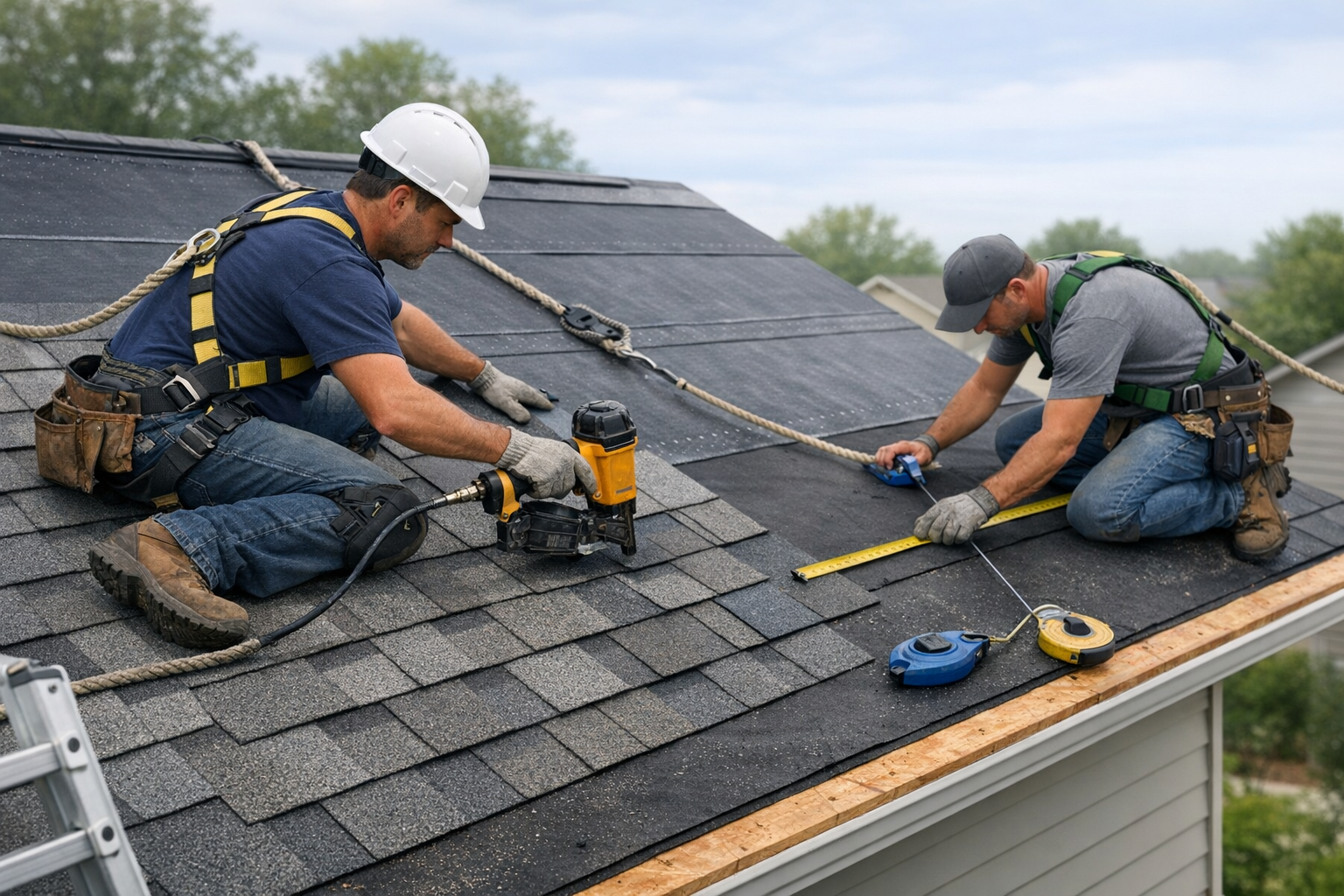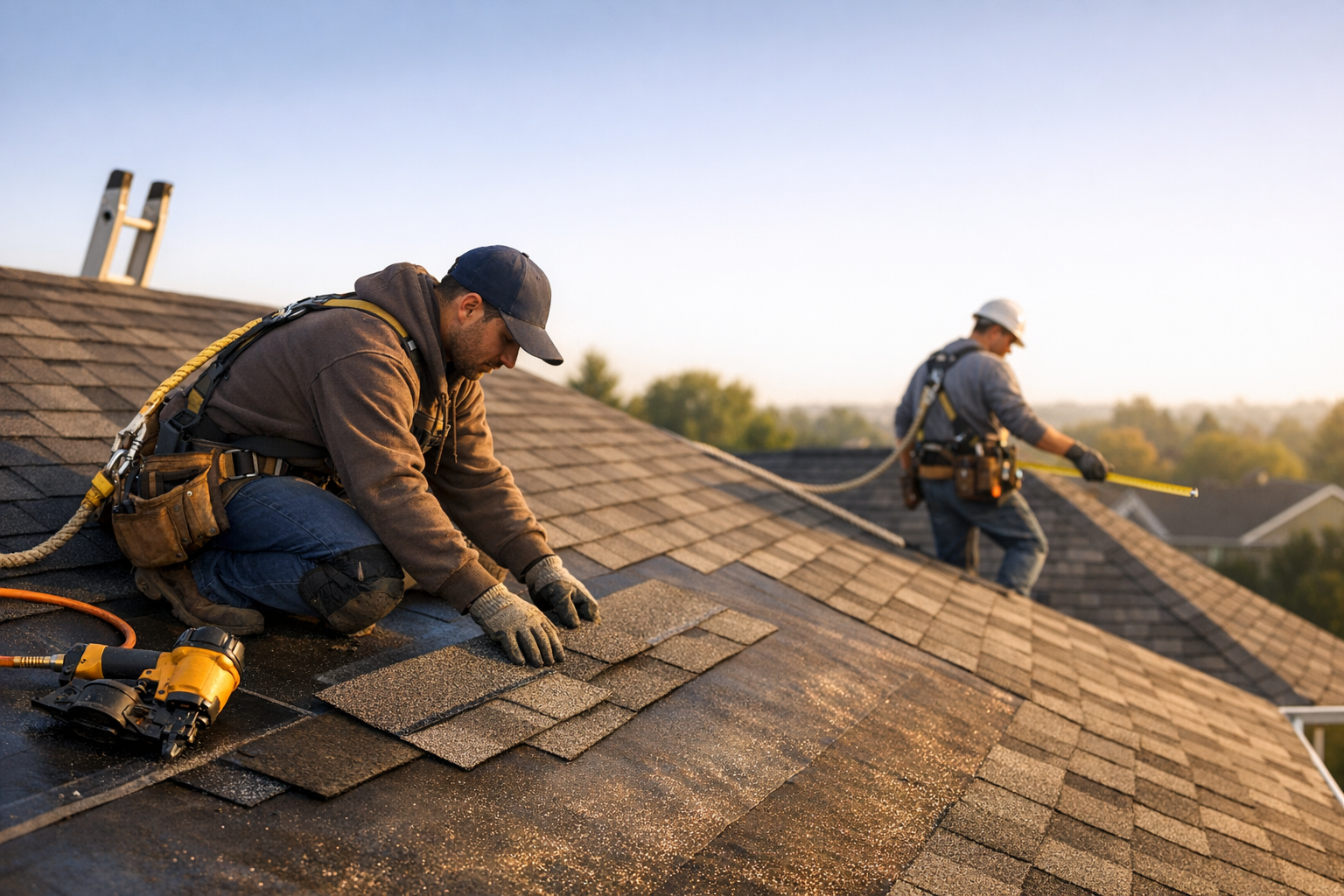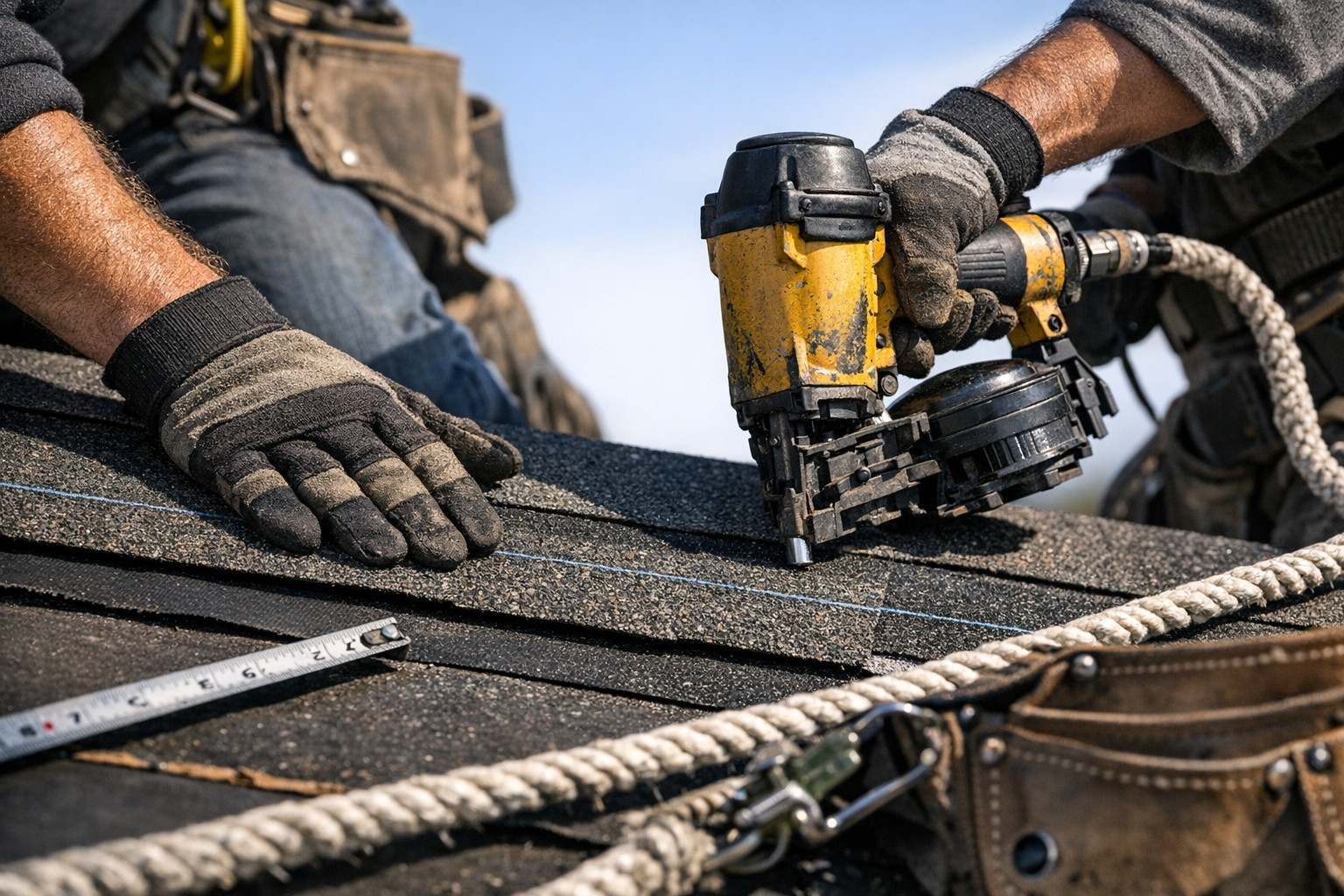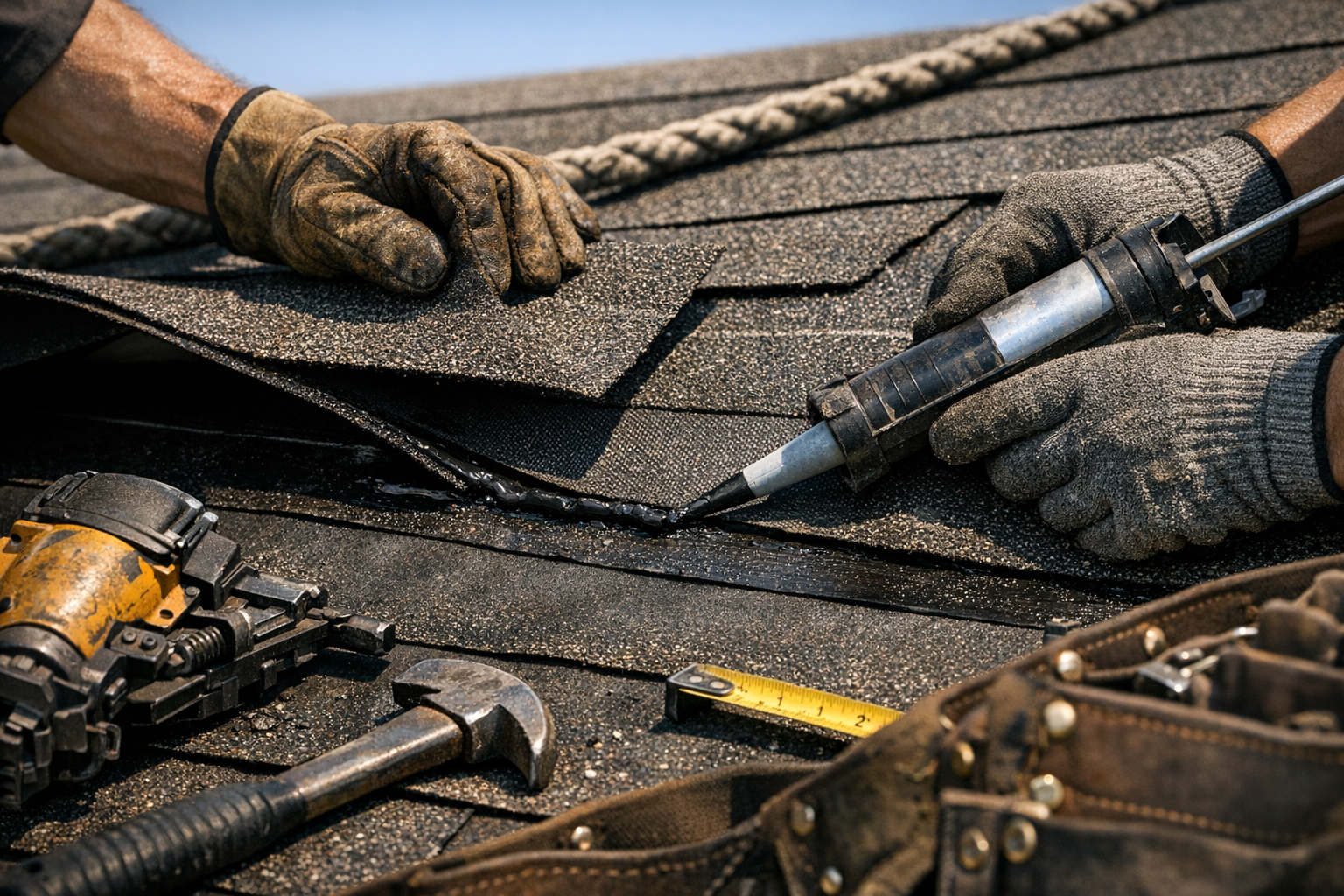

Metal Roof Installation Seattle: 10 Details Inspectors Notice
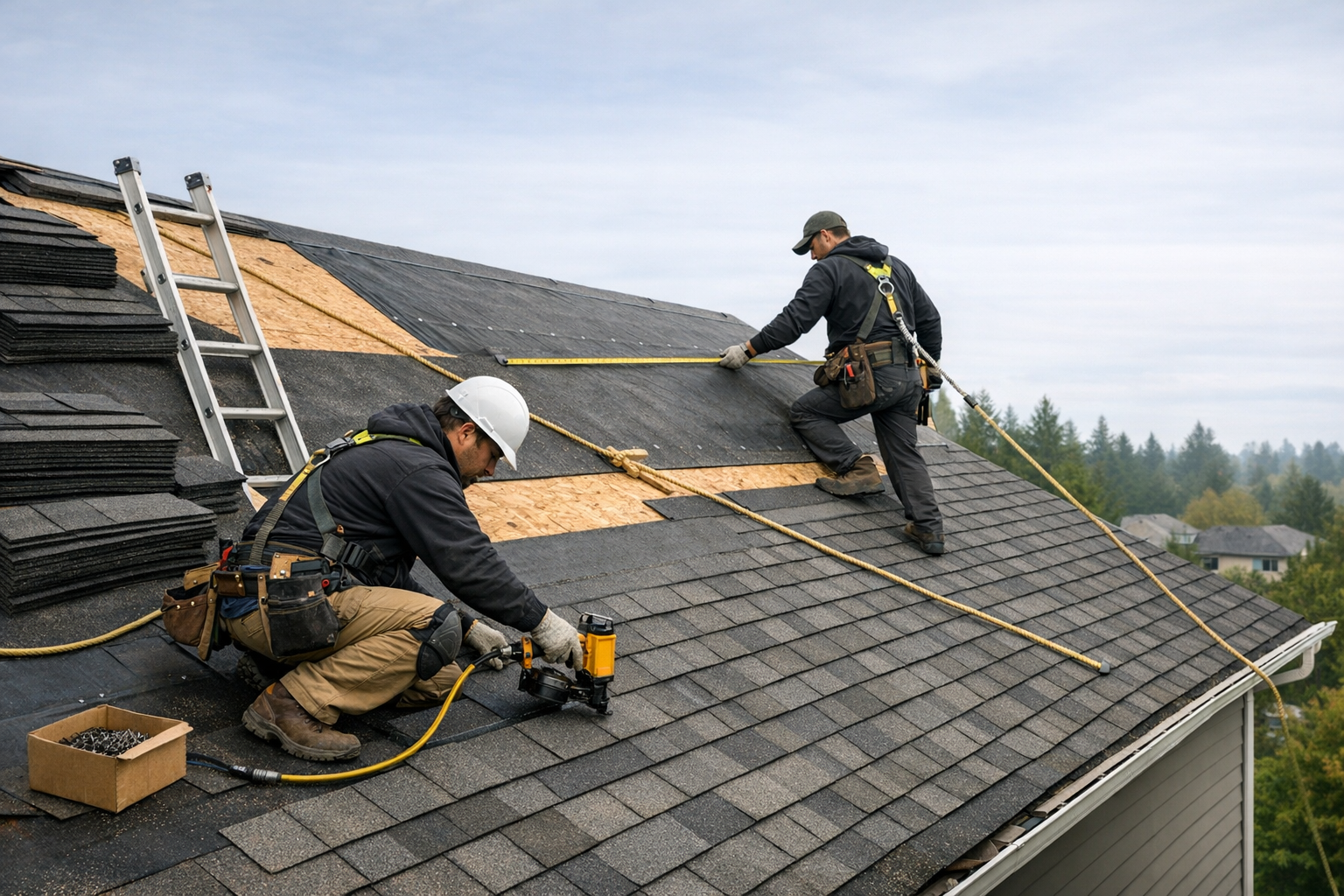
Installing a metal roof in Seattle isn’t just about picking panels—it’s about surviving 150+ days of rain, salty coastal air, strict inspectors, and decades of wear. In this guide, you’ll learn exactly what Seattle inspectors look for, how to avoid failed inspections and fines (especially with asbestos and code rules), and how to choose a contractor and installation details that give you a 40–50 year, inspection-proof metal roof.
Why Seattle Inspectors Scrutinize Metal Roof Installation So Closely
Unique Seattle climate risks: rain, wind, moss, and salt air
When I talk with homeowners about Metal Roof Installation Seattle, the first thing I explain is this: our climate is not forgiving. Inspectors here know that. They are not being picky for no reason. They have seen what constant moisture and coastal air can do over time.
Seattle averages more than 150 rainy days per year. That means your roof rarely gets long drying periods. Add in wind-driven rain, especially during fall storms, and water can move uphill under poorly installed panels. Moss growth is another issue. Shaded north-facing slopes stay damp, which accelerates corrosion if coatings are compromised. Near Puget Sound, salt air increases the risk of fastener and panel rust.
Because of these factors, inspectors look beyond surface appearance. They want to know if the system will resist:
- Wind uplift during winter storms
- Persistent moisture intrusion
- Corrosion from marine exposure
- Biological growth that traps water
In my experience, a metal roof that works in a drier inland climate may fail early here if not upgraded for Pacific Northwest conditions.
How permitting, codes, and inspections work in the Seattle area
Metal Roof Installation Seattle projects typically require permits, especially if there is structural work or a full tear-off. Local jurisdictions follow Washington State building codes, often with additional city amendments set by the City of Seattle’s permitting authority Seattle SDCI permits and services. Inspectors verify compliance with structural, fire, and environmental rules.
The basic process usually includes:
- Submitting plans and specifications
- Obtaining a building permit
- Scheduling inspections at key stages
- Passing final inspection before project closeout
Inspectors may check nailing patterns, flashing details, underlayment type, and structural attachments. In some cases, they also verify energy code compliance and ventilation.
I always tell homeowners that permits protect them. If work is done without proper approvals, it can complicate insurance claims or future resale. A clean inspection record shows that your Metal Roof Installation Seattle project met local standards at the time of construction.
Why “passing inspection” isn’t enough for a 40–50 year metal roof
A metal roof can last 40 to 50 years or more. An inspection, however, is a snapshot in time. It confirms minimum code compliance, not necessarily best practice.
Building code is the baseline. It answers the question: Is this safe and compliant today? It does not answer: Will this perform flawlessly for decades in Seattle rain?
For example, code may allow a certain underlayment type, but I often recommend high-temperature, fully adhered waterproof membranes for added protection. Code may specify minimum fastener spacing, yet tighter patterns can improve wind resistance.
When I approach Metal Roof Installation Seattle, I think long term. I ask:
- Will this detail still shed water after 20 winters?
- Will these fasteners resist corrosion near salt water?
- Is ventilation strong enough to prevent condensation?
Passing inspection is important. Building beyond minimum code is what protects your investment.
Red flags that make inspectors slow down or dig deeper
Inspectors develop instincts. Certain issues immediately signal that they need to look closer.
Common red flags include:
- Uneven panel lines or inconsistent spacing
- Exposed fasteners in areas that should use concealed clips
- Improper flashing around skylights or chimneys
- Evidence of prior water damage left uncorrected
If an inspector sees sloppy workmanship at the eaves, they may scrutinize valleys and penetrations more carefully. If documentation is incomplete, such as missing engineering details, they may pause the project.
In Metal Roof Installation Seattle projects, small inconsistencies often hint at bigger hidden problems. I prefer to address potential concerns proactively rather than waiting for an inspector to find them.
What Inspectors Look For Before Metal Roof Installation in Seattle
Verifying permits, plans, and engineering for your specific roof structure
Before any panels go on, inspectors want to see paperwork. Metal roofing systems can be heavier or attach differently than asphalt shingles. The structure beneath must support them properly.
For example, a standing seam metal system on a long-span roof may require engineering confirmation of load paths and uplift resistance. Inspectors check that the submitted plans match what is being installed.
In Metal Roof Installation Seattle, this step is critical for homes with complex rooflines or previous remodels. I have seen cases where additions were built without updated framing plans. That creates confusion during inspection and delays the project.
Clear, accurate documentation helps inspections move smoothly and ensures structural integrity from day one.
Confirming asbestos testing and surveys on older homes before tear-off
Many Seattle homes were built before modern asbestos regulations. If you are removing old roofing materials, you are legally required to have a good faith asbestos inspection before disturbing suspect materials.
In Washington State, building owners and contractors share responsibility for this survey under state safety regulations Washington L&I asbestos requirements. A certified AHERA building inspector must perform the inspection. If asbestos-containing material is found and will be disturbed, a certified asbestos contractor must handle abatement. Notifications to the Department of Labor and Industries are required for projects over certain thresholds, and short-term notifications may be needed if unexpected materials are discovered mid-project.
Inspectors may request:
- A copy of the asbestos survey
- Proof of proper abatement if required
- Documentation of notification and disposal
Failing to follow these steps can result in daily fines and serious project delays. In Metal Roof Installation Seattle, especially on older homes, asbestos compliance is not optional. It is a legal and safety requirement.
Evaluating existing roof layers, sheathing, and framing for load and damage
Inspectors also look at what is under the old roof. Multiple existing layers can hide rot or sagging decking. Some re-roof projects are not allowed if the substrate is compromised.
They check for:
- Soft spots in plywood or OSB
- Signs of long-term moisture damage
- Proper fastening of sheathing to rafters
If the deck is too thin or damaged, it must be replaced before new metal panels are installed. I always recommend addressing these issues proactively. Installing metal over weak decking only masks problems temporarily.
Metal Roof Installation Seattle projects perform best when the structural base is solid, dry, and properly fastened.
Checking attic ventilation and moisture issues that can shorten metal roof life
Ventilation is often overlooked, yet inspectors pay close attention to it. Metal roofs can amplify condensation if warm indoor air meets cold panels without adequate airflow.
Inspectors verify intake and exhaust ventilation ratios, often based on code formulas tied to attic square footage. Poor ventilation can lead to mold growth, insulation damage, and premature corrosion of fasteners from the underside.
In Seattle’s damp climate, I consider ventilation a core performance factor. Before installation begins, I assess soffit vents, ridge vents, and overall airflow paths. Correcting ventilation before panel installation prevents expensive corrections later.
Detail #1: Underlayment and Moisture Barriers
Why high-temp, waterproof underlayment is non-negotiable in Seattle’s rain
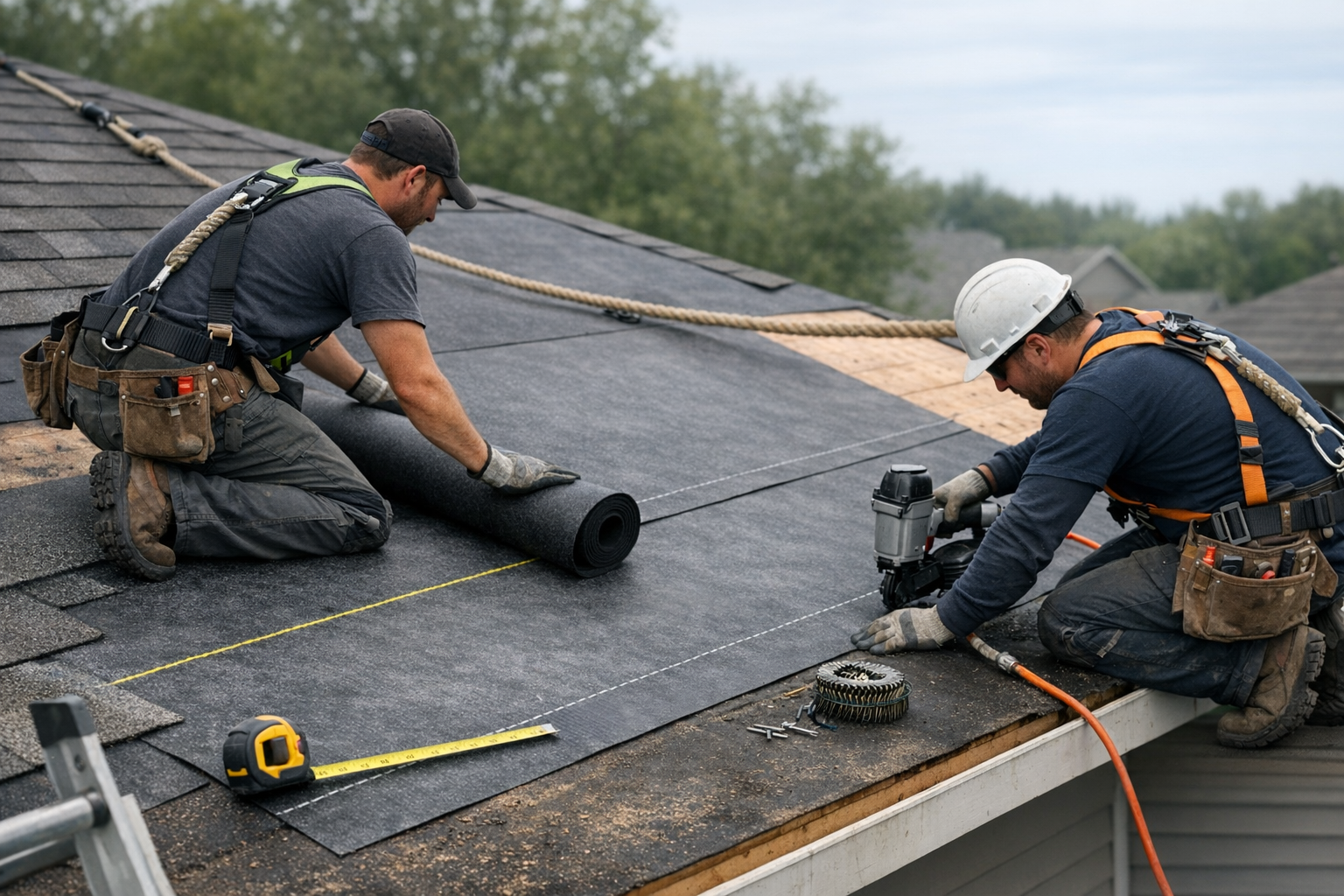
Underlayment is the hidden hero of any Metal Roof Installation Seattle project. It acts as a secondary water barrier if wind-driven rain slips beneath panels.
High-temperature, waterproof underlayment is especially important under metal because panels can transfer heat. Standard felt can degrade prematurely. A fully adhered membrane provides stronger protection against pooling and ice backup.
In our region, inspectors expect durable materials that can withstand constant moisture. I never treat underlayment as an afterthought. It is the layer that often prevents minor flashing issues from becoming interior leaks.
Common underlayment installation mistakes inspectors flag
Even the best material fails if installed poorly. Inspectors frequently flag:
- Inadequate overlap at seams
- Improper fastening patterns
- Tears left unrepaired
- Missing underlayment at transitions
For example, if valleys are not fully protected before panels are installed, inspectors may require corrections. I always double-check seam overlaps and edge terminations. Precision at this stage builds confidence with inspectors and protects the structure.
Ice, wind-driven rain, and coastal exposure upgrades inspectors like to see
While Seattle is not known for heavy ice dams, certain neighborhoods and elevations can experience freeze-thaw cycles. Wind-driven rain is more common and equally damaging.
Inspectors appreciate upgrades such as:
- Extended membrane coverage at eaves
- Reinforced valley underlayment
- Corrosion-resistant edge details near marine areas
These enhancements go beyond minimum code. In Metal Roof Installation Seattle, small upgrades can significantly improve resilience in harsh weather events.
Detail #2: Fasteners, Clips, and Attachment Patterns
Proper fastener type, spacing, and corrosion resistance for Puget Sound
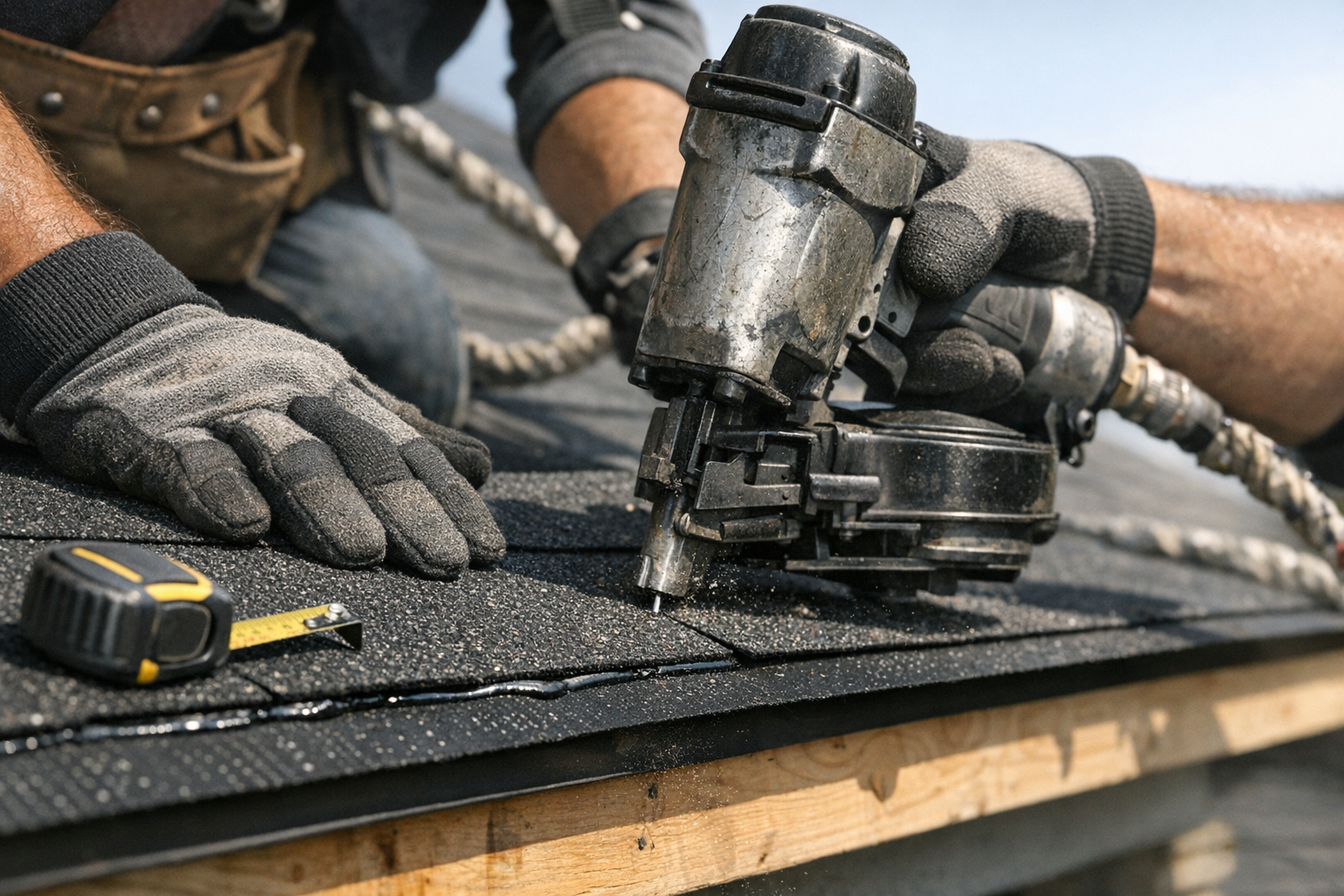
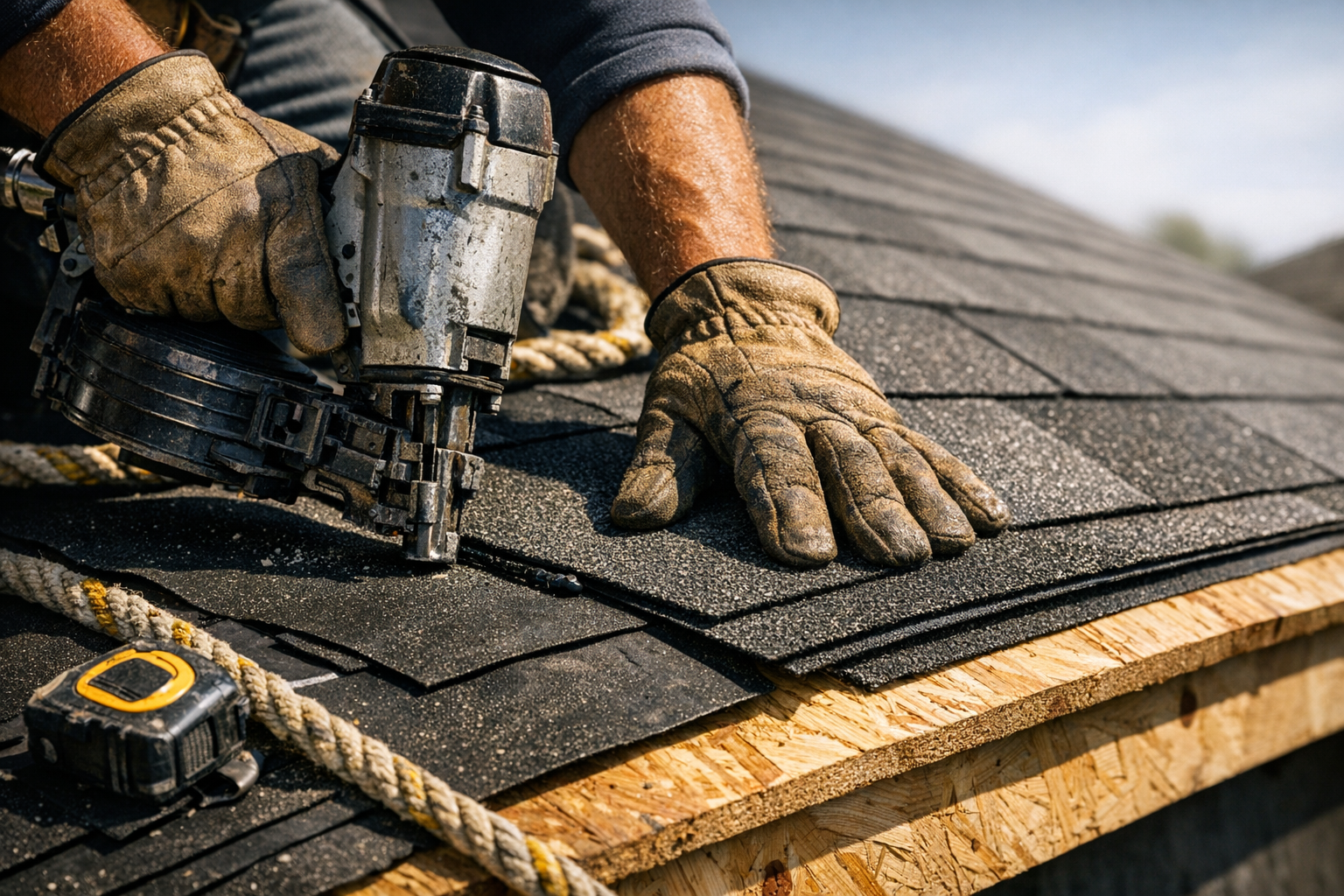
Fasteners are often the first components to fail in coastal climates. Inspectors verify that screws are rated for exterior metal use and resist corrosion.
In Puget Sound areas, I prefer high-quality, coated fasteners or stainless options where appropriate. Spacing must match manufacturer and engineering requirements. Too few fasteners increase uplift risk; too many can distort panels.
Metal Roof Installation Seattle demands attention to these details because moisture exposure is constant.
How inspectors spot over-driven, under-driven, or misaligned screws
It only takes a glance for a trained inspector to notice screw issues. Over-driven screws compress washers and create leaks. Under-driven screws leave gaps. Crooked screws compromise seals.
Inspectors look for consistent seating and alignment. I train crews to maintain uniform torque and check their work visually from multiple angles. Precision here prevents callbacks and inspection failures.
Expansion, contraction, and why clip systems matter on long Seattle roof runs
Metal expands and contracts with temperature changes. On long roof runs, this movement can stress fasteners if not properly accommodated.
Clip systems allow panels to float slightly, reducing stress. Inspectors understand this and often look for proper clip installation on standing seam systems.
In Metal Roof Installation Seattle, where temperature swings and sun exposure vary, allowing for movement protects seams and fasteners over decades.
Detail #3: Flashings Around Penetrations (Skylights, Vents, Chimneys)
The “leak triangle”: where most Seattle metal roofs fail inspection
In my experience, most leaks originate around penetrations. I call this the leak triangle: skylights, vents, and chimneys.
Inspectors focus heavily on these areas. Improper sealing or missing flashing components quickly draw attention. Seattle’s wind-driven rain can exploit even small gaps.
Step flashing, counter-flashing, and boots inspectors expect to see
Inspectors expect layered protection. Step flashing at sidewalls, counter-flashing at chimneys, and high-quality pipe boots are standard.
Each component must overlap correctly to shed water downward. I always visualize water flow when installing these details. If water cannot naturally flow away, the detail needs revision.
Retrofitting older skylights and chimneys to meet today’s standards
Older skylights and masonry chimneys often lack modern flashing systems. During Metal Roof Installation Seattle projects, inspectors may require updates to meet current standards.
Retrofitting might include new curb-mounted skylights or improved counter-flashing. Addressing these upgrades during roof replacement is far more cost-effective than after a failed inspection.
How to Choose a Metal Roof Installation Contractor in Seattle
Why “licensed, bonded, and insured” is only a starting point
Licensing and insurance are basic requirements. They do not guarantee expertise in Metal Roof Installation Seattle.
I recommend asking about local project experience, understanding of Seattle building codes, and familiarity with marine corrosion issues. A contractor should explain climate-specific strategies clearly.
Checking safety records, certifications, and manufacturer training
Metal roofing systems often require specialized training. Inspectors may ask about compliance with manufacturer specifications.
Look for documented training, strong safety practices, and a clear understanding of fall protection. A contractor who values safety usually values precision.
Questions to ask about underlayment, fasteners, and warranty coverage
Ask specific questions:
- What type of underlayment will you use and why?
- What fastener coating is specified for my location?
- How is expansion handled on long panel runs?
Clear answers indicate genuine expertise in Metal Roof Installation Seattle.
Warning signs your roofer doesn’t understand Seattle-specific requirements
Be cautious if a roofer dismisses ventilation concerns, skips asbestos discussions on older homes, or suggests skipping permits.
Seattle’s climate and regulations are complex. Contractors who minimize these factors may create long-term risk.
Asbestos, Tear-Off, and Code Compliance on Older Seattle Roofs
When you must test for asbestos before metal roof installation
Washington State requires a good faith asbestos inspection before renovation, repair, or demolition that could disturb suspect materials. This applies regardless of building age.
Before any tear-off in a Metal Roof Installation Seattle project, I ensure an AHERA-certified building inspector conducts the survey. The report must be available on site.
Who can perform asbestos surveys and abatement in Washington State
Asbestos surveys must be completed by certified inspectors. If asbestos-containing material is present and will be disturbed, a certified asbestos contractor must handle removal.
These contractors must have active registration with the Department of Labor and Industries and certified supervisors on payroll. Inspectors may verify credentials during review.
How inspectors verify asbestos documentation, disposal, and notifications
For larger abatement projects, notification to the department is required before work begins. Inspectors may request proof of notification, disposal manifests, and certification documents.
Short-term notifications are available for urgent situations, but they must follow proper procedures. Missing documentation can halt a project immediately.
Risks, fines, and project delays if asbestos rules are ignored
Ignoring asbestos rules can lead to daily fines and mandatory work stoppages. More importantly, it creates serious health risks.
In Metal Roof Installation Seattle, asbestos compliance is not a paperwork formality. It protects workers, homeowners, and the surrounding community.
Metal Roof Installation Seattle: How to Prepare Your Home for Inspection
Simple homeowner steps before installation begins (access, attic, landscaping)
Homeowners can help inspections go smoothly by:
- Clearing driveway access
- Providing attic access
- Trimming back landscaping near walls
These steps allow inspectors and crews to evaluate conditions efficiently.
Documentation inspectors may ask to see on site
Keep copies of:
- Building permits
- Approved plans
- Asbestos survey reports
- Engineering documents
Organized documentation builds confidence and speeds up review.
How to handle mid-project surprises (rot, hidden layers, or asbestos)
If rot or unexpected layers are found, pause and reassess. Additional permits or engineering updates may be required.
If suspect materials appear that were not in the original survey, a short-term asbestos notification process may be necessary before proceeding.
Coordinating with your contractor so inspections go smoothly the first time
Clear communication prevents delays. Schedule inspections at the correct stages and confirm that required elements are visible before they are covered.
In Metal Roof Installation Seattle, timing matters. Missed inspections can mean costly rework.
Cost, Longevity, and Value: What Inspectors Know That Homeowners Don’t
How small installation errors become big repair bills in 5–10 years
Inspectors understand that tiny gaps today become major leaks later. A misaligned flashing or poorly seated fastener may not leak immediately, but years of rain will exploit it.
I have seen minor shortcuts turn into structural repairs within a decade. Precision during installation protects long-term value.
The long-term payoff of building above minimum code in Seattle’s climate
Upgrading underlayment, fasteners, and ventilation often adds modest upfront cost. Over 40 years, that investment pays off in reduced repairs and stronger performance.
In Metal Roof Installation Seattle, building above code often means fewer worries during storm season.
Insurance, resale value, and how a clean inspection record helps you later
A documented, permitted installation with passed inspections supports insurance claims and resale transactions. Buyers appreciate transparency.
Inspectors may not be present at resale, but their records remain. A clean history reflects quality workmanship.
When it’s worth upgrading from “budget” to “best practice” metal systems
Budget systems may meet code but lack advanced corrosion resistance or movement accommodation.
If your home is near salt water or exposed to strong winds, upgrading to a higher-grade system often makes sense. I evaluate location, slope, and long-term goals before recommending options.
Next Steps: Getting a Seattle Metal Roof That Passes Inspection and Performs
Turning inspector expectations into your installation checklist
Use inspector priorities as your checklist:
- Verified permits and plans
- Asbestos survey completed
- High-quality underlayment
- Proper fasteners and flashing
- Adequate ventilation
This approach aligns your goals with inspection standards.
How to compare metal roof installation bids apples-to-apples
Compare:
- Underlayment type
- Fastener specifications
- Ventilation upgrades
- Flashing details
A lower bid may omit critical components. In Metal Roof Installation Seattle, details matter more than headline price.
When to bring in a second opinion or independent inspection
If your home has complex geometry, prior water damage, or marine exposure, an independent review can provide peace of mind.
An experienced professional can identify potential issues before they become inspection failures.
How to schedule a site visit and get a tailored metal roof proposal in Seattle
The best starting point is an on-site evaluation. Every roof is different. Slope, exposure, age, and structure all influence design.
A thorough proposal for Metal Roof Installation Seattle should outline materials, code compliance steps, ventilation strategy, and inspection coordination. When those elements are clear, you can move forward confidently, knowing your roof is built to pass inspection and perform for decades.
Key Takeaways
- Seattle’s unique climate—marked by heavy rain, wind, moss, and salt air—requires metal roof installations to exceed standard code, as inspectors look for resilience against moisture intrusion, corrosion, and biological growth.
- Passing inspection for Metal Roof Installation in Seattle involves more than meeting basic codes; inspectors scrutinize underlayment quality, fastener type and spacing, flashing details, and attic ventilation to ensure long-term durability.
- Proper permitting, asbestos testing on older homes, and thorough documentation are non-negotiable steps that inspectors verify to protect homeowners from legal, health, and insurance issues during and after installation.
- Small installation errors—like misaligned fasteners or inadequate flashing—can lead to major leaks and costly repairs within 5–10 years, making above-code upgrades in materials and methods a wise investment for long-term roof performance.
- Choosing a contractor with proven Seattle expertise, transparent documentation, and a proactive approach to inspection requirements is critical for ensuring your metal roof passes inspection and delivers decades of protection.
Frequently Asked Questions
1. Why do metal roof installations in Seattle require such careful inspection?
Seattle’s wet, windy, and coastal climate puts roofs at higher risk for leaks, corrosion, and moss growth. Inspectors look for details that ensure a metal roof can withstand these unique local conditions and provide long-term protection.
2. What permits or documentation are needed for metal roof installation in Seattle?
Most metal roof installations in Seattle require building permits, approved plans, and sometimes engineering documents. Inspectors will also check for asbestos surveys on older homes and proof of compliance with local and state codes.
3. What are common reasons metal roof installations fail inspection in Seattle?
Typical issues include poor underlayment installation, improper flashing around penetrations, exposed or misaligned fasteners, ventilation problems, and missing documentation. These mistakes can lead to water intrusion or structural concerns.
4. How does proper underlayment protect a metal roof in Seattle’s climate?
High-quality, waterproof underlayment acts as a secondary barrier against Seattle’s persistent rain and wind-driven moisture. Using fully adhered membranes and ensuring correct installation helps prevent leaks and prolong roof life.
5. What should I look for in a Seattle metal roof installation contractor?
Choose a contractor experienced with Seattle’s climate, local codes, and marine exposure. They should be licensed, insured, trained on manufacturer guidelines, and transparent about materials, fastener choices, ventilation, and warranty coverage.
Protect your home and investment with Seattle’s trusted experts in metal roofing—ensure your project passes inspection and stands up to our unique climate for decades to come. For personalized advice and a detailed plan tailored to your needs, schedule a consultation with our roofing services team today and move forward with total confidence.