
IKO Shingles: How To Compare Lines And Warranties
Comparing IKO shingles but overwhelmed by specs, product names, and climate claims? This guide breaks down every major IKO shingle line, the only specs that actually matter (wind, impact, algae, warranty), and a simple step‑by‑step process so you can confidently choose the right roof for your home, budget, and local weather risks.
What Are IKO Shingles? Understanding the Basics Before You Compare
When homeowners first start researching IKO Shingles, they usually want a simple answer: are they good, and which line should I choose? Before you compare warranties and wind ratings, it helps to understand what IKO actually makes and how the product families are structured.
IKO is a manufacturer of asphalt roofing shingles, primarily architectural and designer styles, built around fiberglass mats and protective mineral granules. The company has deep Canadian roots, and that heritage shows up in how their products are engineered for moisture, freeze-thaw cycles, and wind exposure.
If you are evaluating roof replacement options, this foundation matters. You are not just picking a color. You are choosing a layered system that has to perform for decades in your specific climate.
What makes IKO shingles different from other asphalt brands?
From a technical standpoint, IKO Shingles are known for three core design priorities: wider nailing zones, strong sealant adhesion, and storm-focused product lines like Nordic.
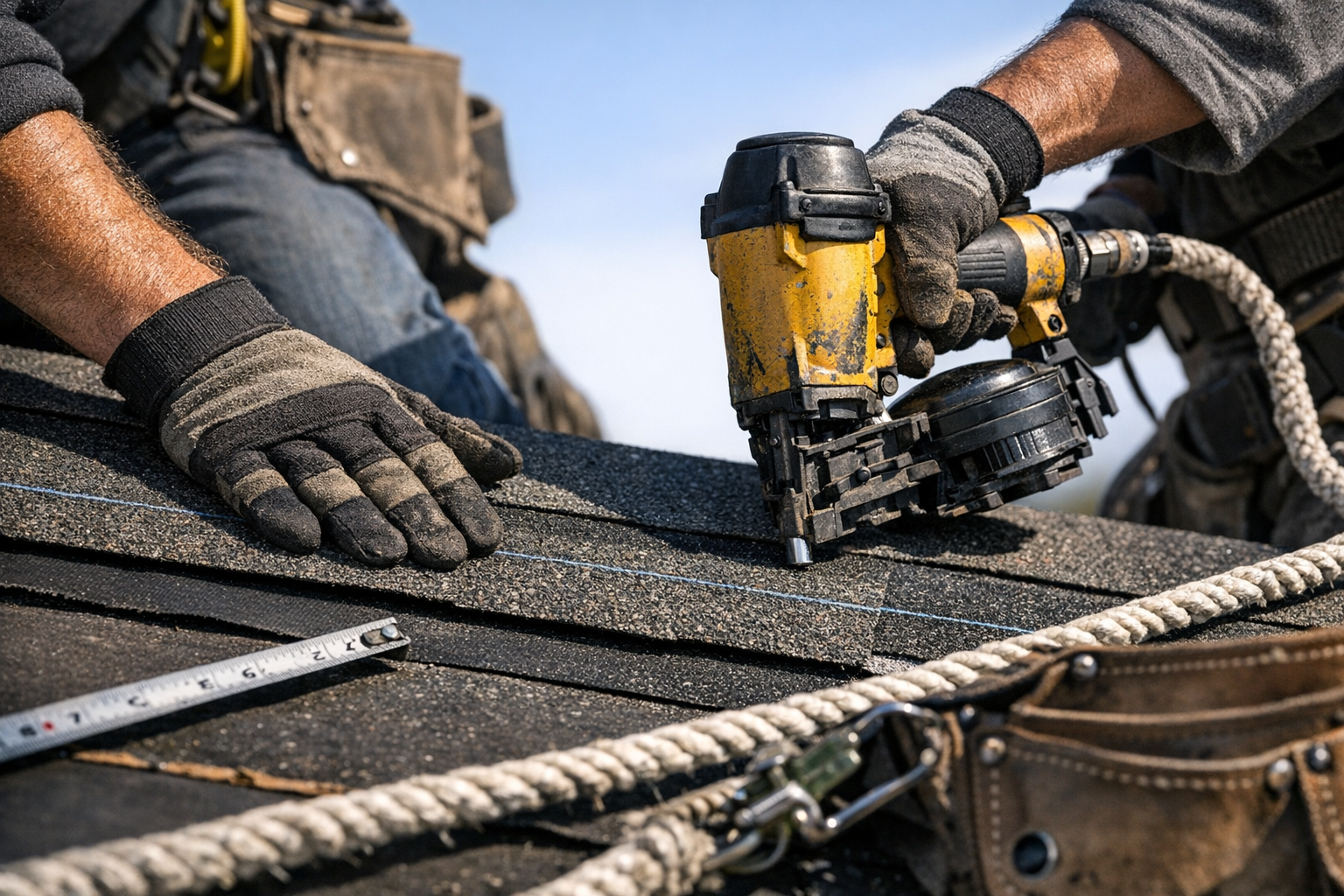
The wider nailing strip is not marketing fluff. It is meant to reduce installation errors. In real-world roofing, misplaced nails are one of the most common causes of wind failure. A broader fastening zone gives contractors more room for precision, which can protect your wind warranty.
IKO also places emphasis on impact resistance in certain lines. The Nordic series, for example, integrates polymer-modified asphalt for higher durability against hail and debris. Not every manufacturer builds a Class 4 line into their mainstream offering.
In my experience, IKO stands out most when homeowners care about wind and impact performance more than brand name recognition.
Key IKO shingle families at a glance (Cambridge, Dynasty, Nordic, Royal Estate, etc.)
When comparing IKO Shingles, you will typically encounter five main families:
- Marathon: Traditional 3-tab shingles, entry-level and basic.
- Cambridge: The most common architectural line, dimensional and versatile.
- Dynasty: Reinforced architectural shingles with stronger wind performance.
- Nordic: Class 4 impact-resistant shingles for hail and storm-prone regions.
- Designer lines such as Royal Estate, Crowne Slate, and Armourshake: premium aesthetic-focused options.
Each family targets a different priority. Cambridge fits most standard homes. Dynasty adds wind reinforcement. Nordic focuses on impact resistance. Designer lines prioritize curb appeal and architectural character.
Knowing these categories helps you narrow your decision quickly instead of feeling overwhelmed by spec sheets.
Architectural vs. 3-tab vs. designer shingles: which category are IKO products in?
IKO produces all three main asphalt categories:
- 3-tab shingles such as Marathon
- Architectural shingles such as Cambridge and Dynasty
- Designer shingles such as Royal Estate
Architectural shingles dominate modern roofing because they are thicker, more dimensional, and typically rated for higher wind speeds. Most homeowners today choose architectural over 3-tab due to lifespan and resale value.
Designer shingles mimic slate or shake profiles. They cost more but can significantly elevate a high-end or historic property.
If you are unsure where to start, architectural IKO Shingles are usually the default recommendation for performance and value balance.
How IKO’s Canadian roots shape product design for wet, cold, and coastal climates
IKO was founded in Canada, and that influences how their products are engineered. Cold-weather flexibility, freeze-thaw durability, and moisture resistance are central to their design approach.
In wet climates, roofs face algae growth, moss buildup, and persistent humidity. IKO incorporates copper-coated granules to inhibit algae discoloration. In colder climates, shingles must remain flexible enough to resist cracking during freeze cycles.
For coastal areas, wind uplift performance becomes critical. That is where Dynasty and Nordic lines often make sense.
If you live in a region with heavy rain, coastal storms, or long winters, understanding this climate-driven design philosophy can help you evaluate whether IKO Shingles align with your environment.
How To Read IKO Shingle Specs Without Getting Overwhelmed
Specification sheets can intimidate even confident homeowners. I always tell clients that you only need to focus on a handful of metrics when comparing IKO Shingles.
The 6 specs that matter most for homeowners (and what to ignore)
When reviewing IKO spec sheets, focus on:
- Wind rating
- Impact rating
- Algae resistance warranty
- Shingle weight
- Warranty structure
- Required installation pattern
Ignore overly technical manufacturing references unless you are comparing products line by line.
For example, if you live in a hail-prone region, impact rating matters more than minor weight differences. If your home sits under heavy tree cover, algae warranty length becomes more important.
I always recommend writing down your top three concerns first, then matching specs to those priorities.
Impact resistance (up to Class 4): what ASTM D3462 and UL 2218 really mean
Impact resistance is commonly measured under UL 2218, which assigns Class 1 through Class 4 ratings. Class 4 is the highest.
IKO Nordic shingles achieve Class 4. That means they withstand simulated steel ball impact tests without cracking.
For homeowners in hail belts, this matters for two reasons:
- Greater durability against storm damage
- Potential insurance discounts
ASTM D3462 is a manufacturing standard for fiberglass asphalt shingles. It confirms baseline structural compliance, not impact strength alone.
You can review how the test itself works on the UL Solutions roofing certification page — Class 4 requires a shingle to withstand a 2-inch steel ball dropped from 20 feet without cracking, the toughest test in the UL 2218 scale.
If hail is part of your risk profile, prioritize Class 4 IKO Shingles.
Wind ratings (up to 130 mph): Class H, fastening patterns, and sealant behavior
Many architectural IKO Shingles are rated up to 130 mph when installed correctly. This typically corresponds with Class H wind resistance.
However, wind rating depends on:
- Nail placement
- Number of fasteners
- Starter strip installation
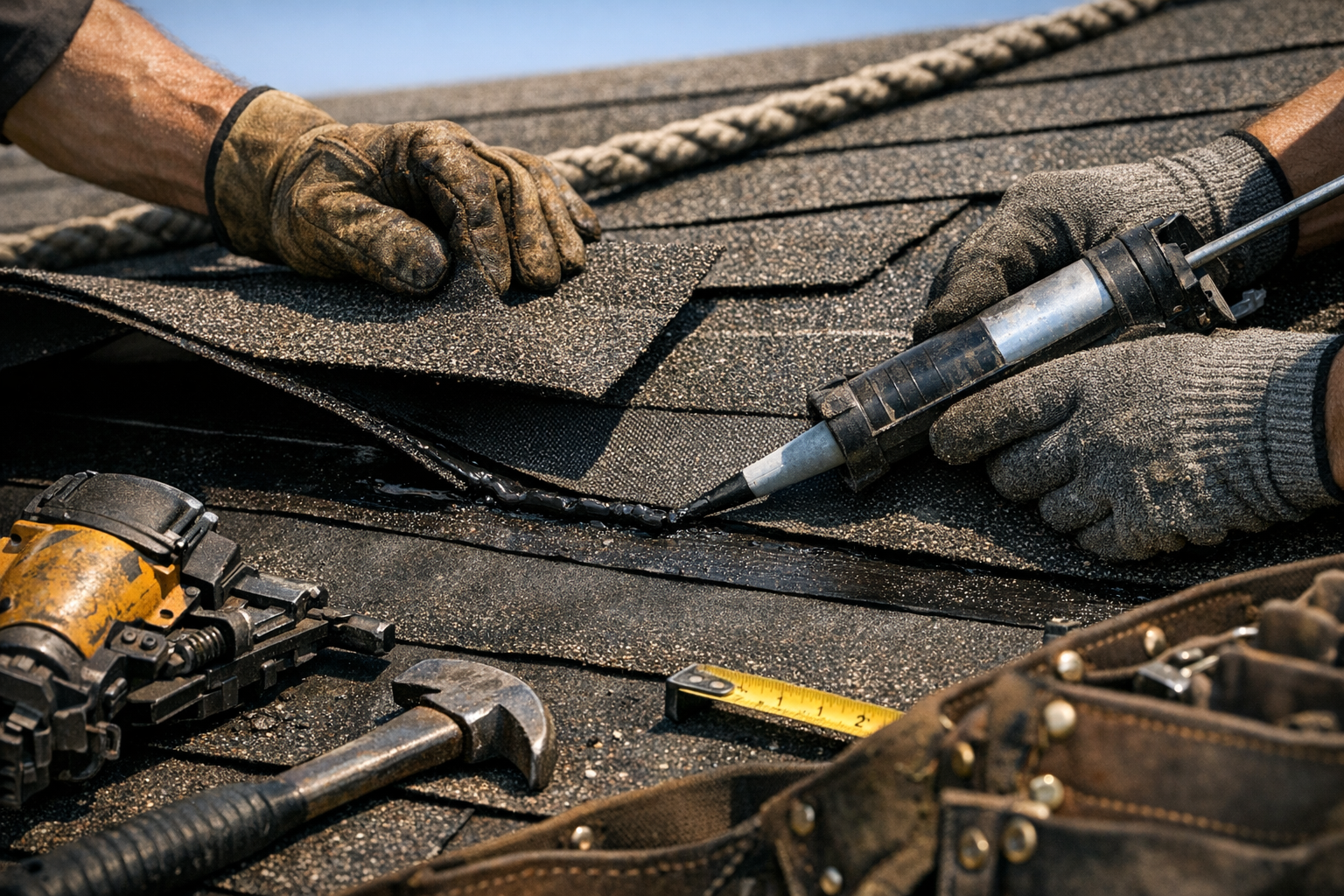
- Proper sealant activation
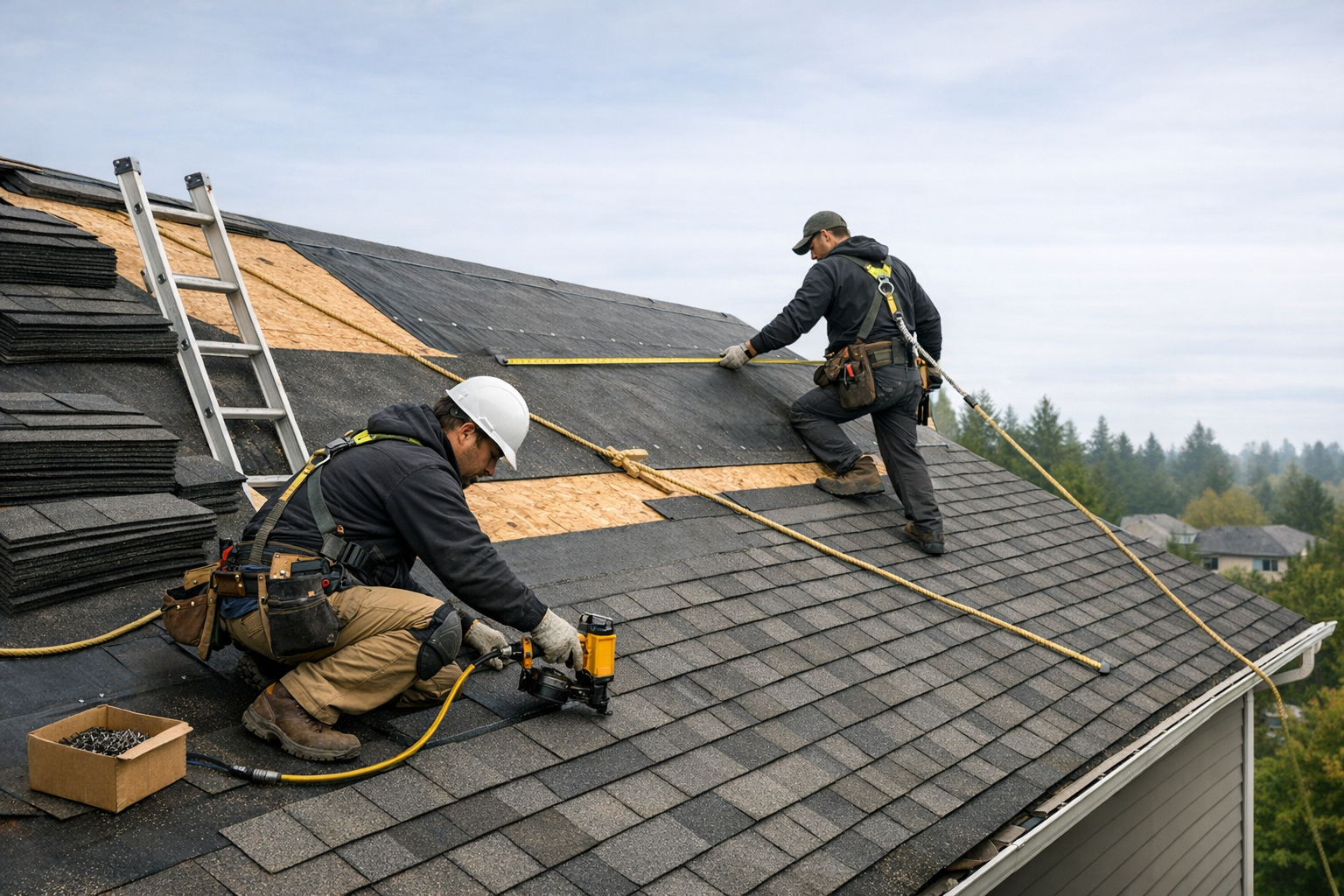
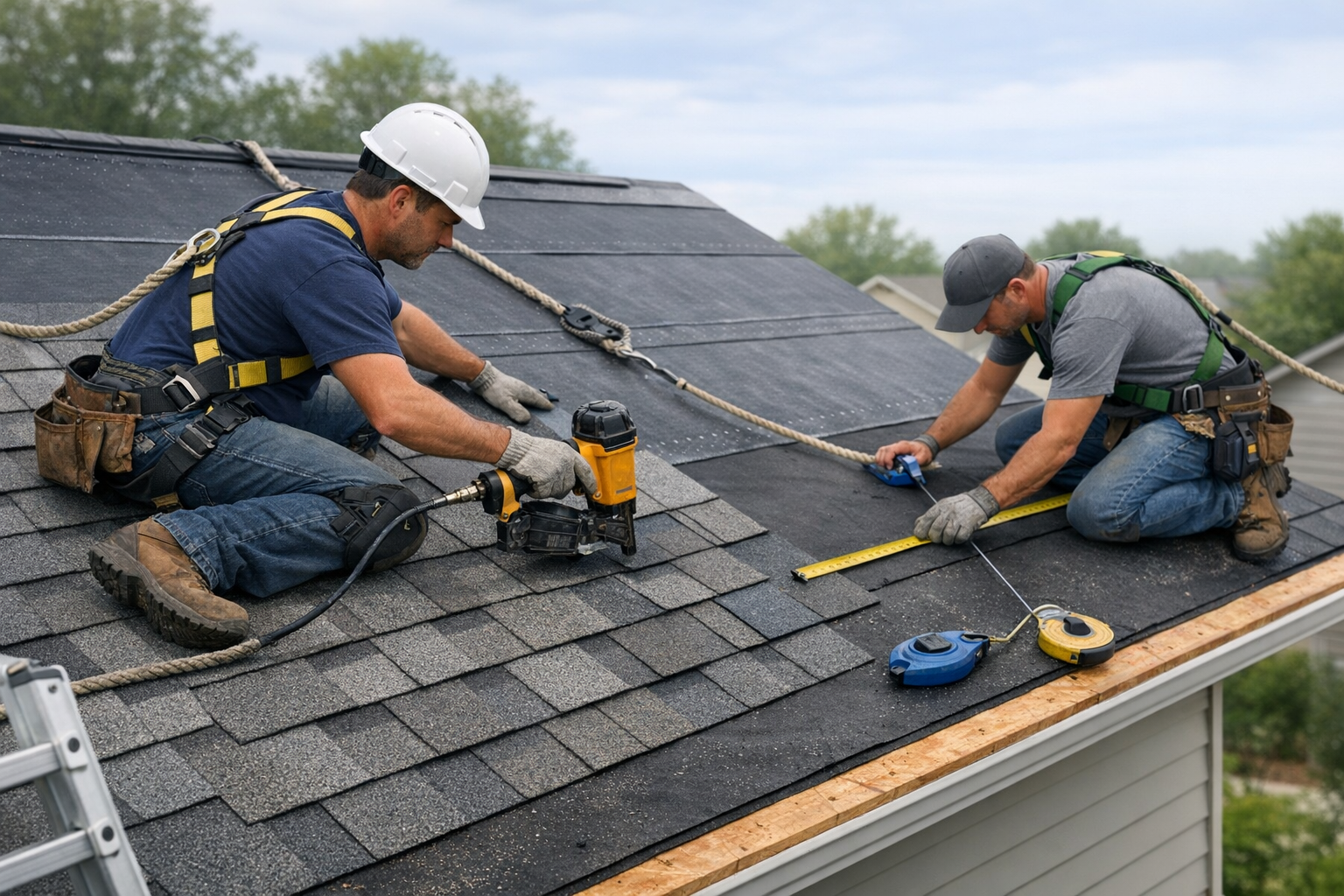
Even the best shingle fails if improperly installed. I always emphasize that wind performance is both a product and workmanship variable.
If you live in a coastal or storm-prone region, confirm the fastening pattern required to maintain that rating.
Algae and moss resistance: copper granules, warranty years, and real-world expectations
IKO uses copper-infused granules to slow algae growth. Most lines carry algae-resistance warranties between 10 and 15 years.
It is important to set expectations. Copper granules inhibit discoloration from algae streaking, but they do not eliminate moss growth in heavily shaded or damp environments.
In wet climates, ventilation and routine maintenance matter just as much as brand.
When comparing IKO Shingles, weigh algae warranty length against your roof’s exposure to shade and moisture.
Weight, fiberglass mat, and granule quality: how they affect lifespan and sagging
Heavier shingles generally contain more asphalt and can offer improved durability. The fiberglass mat provides structural stability, while granules protect against UV exposure.
Lower weight does not automatically mean poor quality, but significant differences can signal thinner construction.
If your roof deck has minor sagging or unevenness, shingle rigidity becomes more noticeable visually. Premium architectural lines often hide imperfections better than 3-tab products.
Warranty language 101: “limited lifetime,” “prorated,” and “non-prorated” explained
“Limited lifetime” does not mean full replacement forever. It typically refers to coverage for as long as the original owner owns the home, subject to prorating.
- Non-prorated period: Early years where coverage is strongest
- Prorated period: Coverage value declines over time
Understanding this distinction helps you realistically compare IKO Shingles warranty structures without being misled by headline terms.
IKO Shingles Product Lines: Side‑by‑Side Comparison
IKO Marathon / 3-tab: entry-level basics and limitations
Marathon is a traditional 3-tab shingle. It is lightweight, flat in appearance, and typically carries lower wind resistance compared to architectural lines.
I usually only recommend 3-tab in budget-sensitive projects or detached structures. Lifespan and resale value are generally lower than architectural options.
IKO Cambridge: the core architectural workhorse for most homes
Cambridge is the most commonly installed among IKO Shingles. It offers dimensional appearance, solid wind ratings, and balanced cost.
For homeowners who want reliability without premium pricing, Cambridge often hits the sweet spot.
IKO Dynasty: reinforced architectural shingles for stronger wind performance
Dynasty builds on Cambridge with enhanced wind resistance and improved fastening zones.
If your roof has complex geometry or is exposed to higher wind uplift, Dynasty can offer additional security without stepping into full impact-resistant pricing.
IKO Nordic: Class 4 impact-resistant shingles for hail and storm resilience
Nordic is engineered for hail-prone regions. The polymer-modified asphalt increases flexibility and shock absorption.
IKO's official Nordic product page confirms the Class 4 rating and 130 mph wind warranty, along with the fine print worth reading: the impact rating exists to help homeowners qualify for insurance discounts, not as a guarantee against hail damage itself.
For homeowners concerned about storm resilience and potential insurance incentives, Nordic is typically the strongest performer in the IKO lineup.
IKO designer shingles: when looks drive the decision
Designer lines such as Royal Estate and Crowne Slate replicate slate or shake textures.
They are best suited for high-end homes or historic districts where architectural character matters more than budget constraints.
How to choose the right IKO line for your roof pitch, shade level, and neighborhood
Flat or low-slope roofs require special consideration and may not be suitable for standard shingles.
Heavily shaded homes benefit from stronger algae resistance and potentially higher-end architectural profiles.
Neighborhood standards and HOA requirements may also dictate acceptable profiles or colors.
Matching product to context is just as important as comparing specs.
Comparing IKO Shingles by Climate, Roof Type, and Risk Profile
Best IKO shingles for wet, moss-prone regions
In damp regions, architectural shingles like Cambridge or Dynasty are typically better than 3-tab due to thickness and durability.
Routine maintenance remains essential, even with copper granules.
Best IKO shingles for hail and storm belts
If hail is common, Nordic stands out. Class 4 impact resistance can reduce repair frequency and potentially insurance costs.
Low-slope vs. steep-slope roofs
IKO Shingles are designed for steep-slope applications. Very low slopes require alternative systems or enhanced underlayment strategies.
Heavy tree cover and debris risk
Homes under dense tree canopy benefit from thicker architectural shingles or Nordic for impact resilience.
Matching IKO colors in HOA or historic districts
Designer lines provide more traditional aesthetics suitable for regulated communities.
How To Compare IKO Shingle Lines Step‑by‑Step (For Beginners)
Step 1: Define your priorities
Write down what matters most: lifespan, impact resistance, algae protection, curb appeal, or budget.
Step 2: Shortlist 2–3 IKO shingles
Narrow your options to two or three lines that align with your climate and risk profile.
Step 3: Compare warranty terms line by line
Examine algae coverage, wind coverage, and prorated timelines carefully.
Step 4: Map your choices to available contractor warranty levels
Enhanced warranties may depend on installer certification.
Step 5: Request apples-to-apples bids
Ensure proposals specify exact IKO product line, color, and warranty tier.
Step 6: Weigh small material differences against long-term performance
A modest upfront cost difference may translate to decades of improved durability.
Choosing among IKO Shingles does not have to feel complicated. When you understand the categories, specs, and warranty structure, the decision becomes logical and aligned with your home’s real risks.
Key Takeaways
- IKO Shingles offer a diverse lineup—including Cambridge, Dynasty, Nordic, and designer options—engineered for specific climates, budgets, and performance needs, with architectural shingles as the most popular choice for modern homes.
- Key comparison factors for IKO shingles include wind and impact ratings, algae resistance, warranty structure, and shingle weight—helping homeowners match products to climate risks like storms, hail, heavy shade, or coastal winds.
- Warranty terms vary by product line, typically featuring a non-prorated period followed by prorated coverage, so understanding these distinctions is essential for making informed, apples-to-apples comparisons.
- IKO’s Canadian heritage influences their focus on durability in wet, cold, and storm-prone regions, with features like wider nailing zones and copper granules to address installation accuracy and algae resistance.
- Homeowners should define their top priorities, shortlist suitable IKO lines, review warranties, and request detailed bids to ensure the selected shingle aligns with their roof’s requirements and long-term value goals.
Frequently Asked Questions
1. What are the main differences between IKO shingle lines like Cambridge, Dynasty, and Nordic?
Cambridge is a versatile architectural shingle for most homes. Dynasty offers extra wind resistance and better fastening. Nordic is engineered for maximum impact resistance, making it ideal for hail-prone areas. Each line addresses different climate and durability needs.
2. How do IKO shingles perform in wet or cold climates?
IKO shingles are designed with Canadian engineering, emphasizing moisture resistance, freeze-thaw durability, and strong wind performance. Copper granules help reduce algae growth, and flexibility in cold weather helps prevent cracking, making them a smart choice for harsh climates.
3. What does “Class 4 impact resistance” mean for IKO Nordic shingles?
Class 4 impact resistance is the highest rating for asphalt shingles, indicating they can withstand severe hail and debris impacts. IKO Nordic shingles use polymer-modified asphalt to achieve this, offering better protection and potentially qualifying for insurance discounts in storm-prone regions.
4. How do I compare IKO shingle warranties?
Review both the non-prorated and prorated periods of each warranty. “Limited lifetime” usually means coverage for as long as you own your home, with the strongest protection in the early years. Compare algae, wind, and workmanship coverage across different IKO product lines for a clear assessment.
5. Which IKO shingle should I choose for my roof?
First, identify your top priorities—like lifespan, impact resistance, or curb appeal. Then, match those needs to IKO lines: Cambridge for reliability, Dynasty for wind, Nordic for hail, or designer lines for aesthetics. Always confirm warranty terms and installation requirements before deciding.
Take the guesswork out of choosing the right IKO Shingles for your home—contact us for expert roofing services tailored to your climate and priorities. Our team will walk you through your best options, ensure your investment lasts for decades, and deliver the peace of mind you deserve. Schedule a consultation today and start your roofing project with confidence.