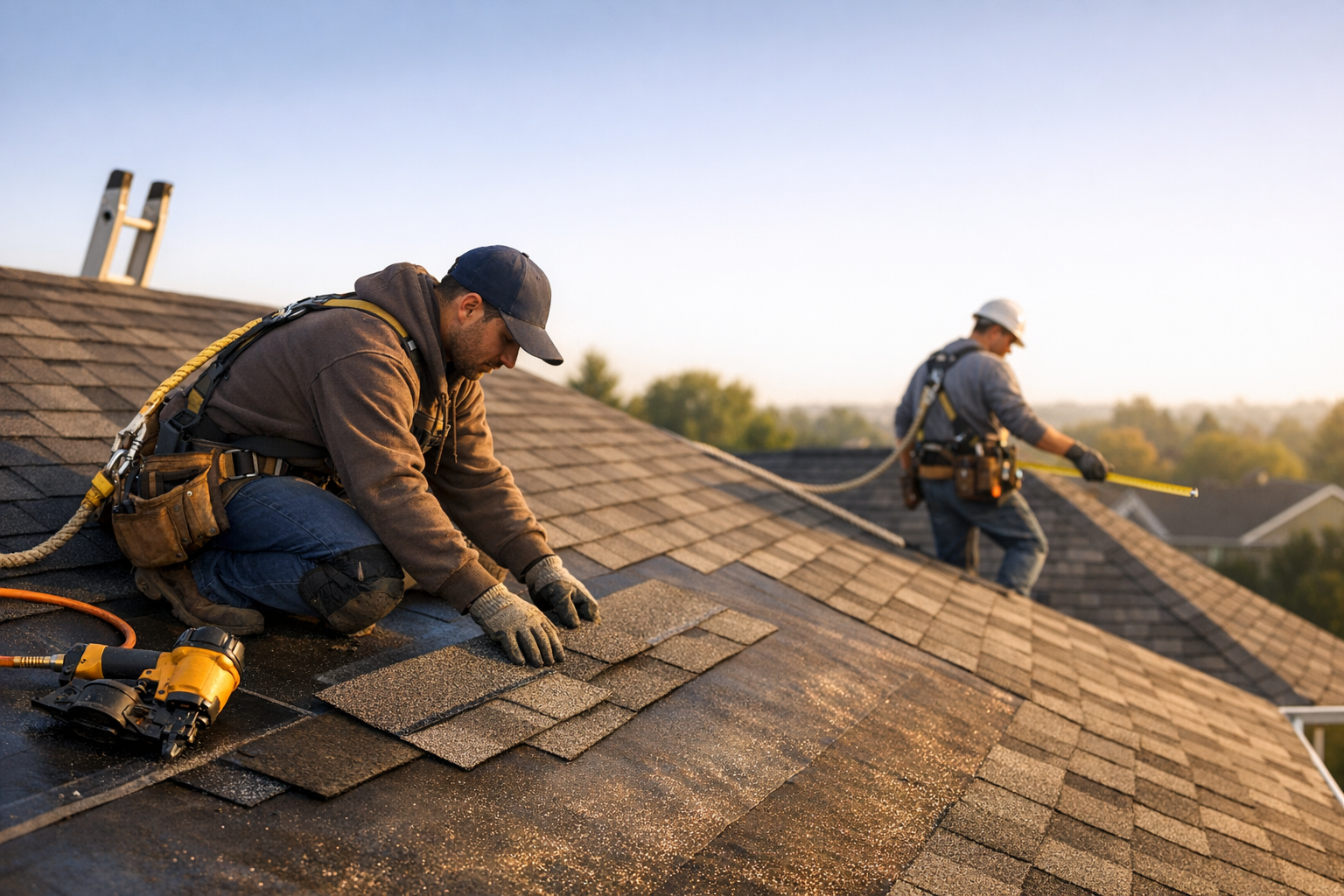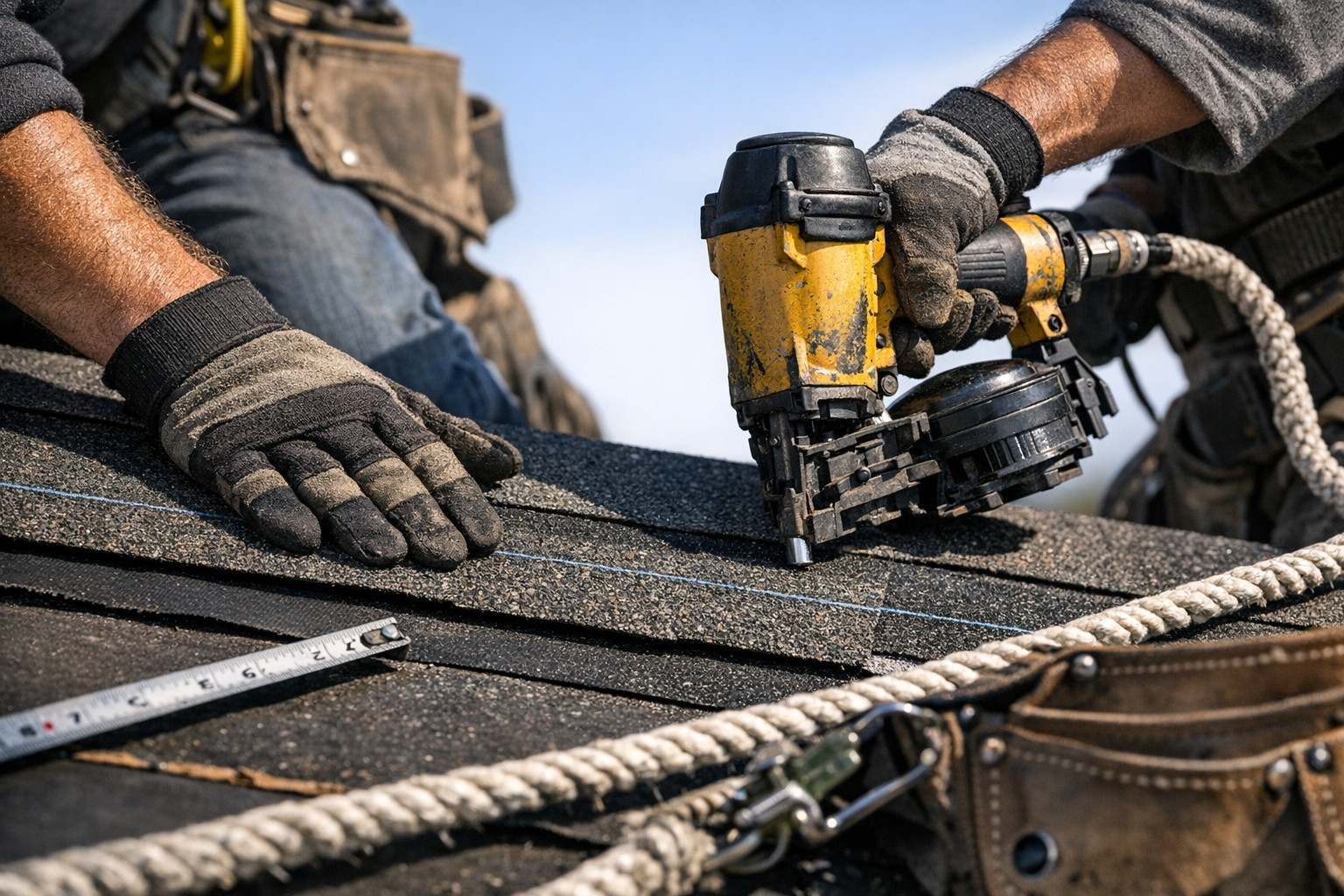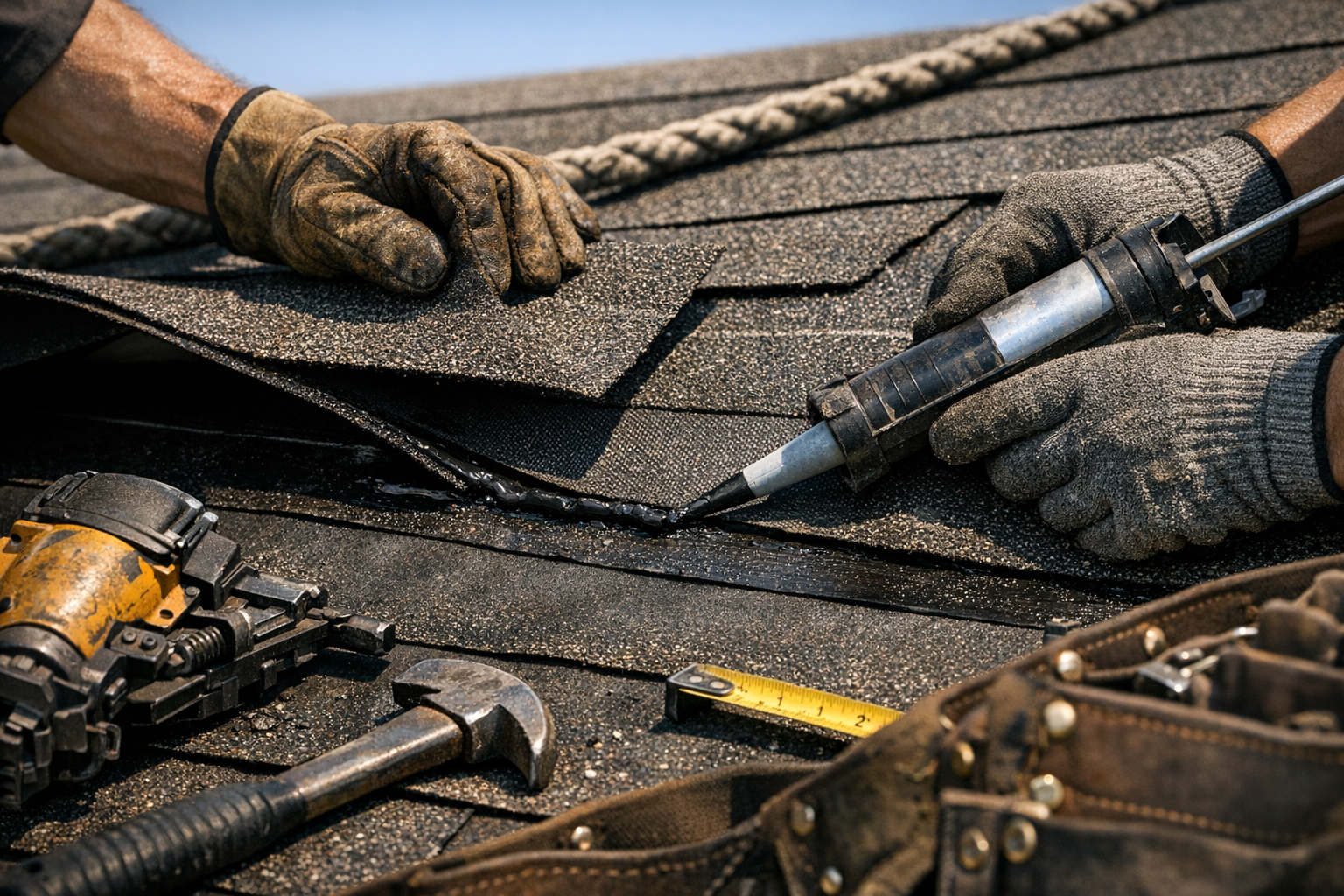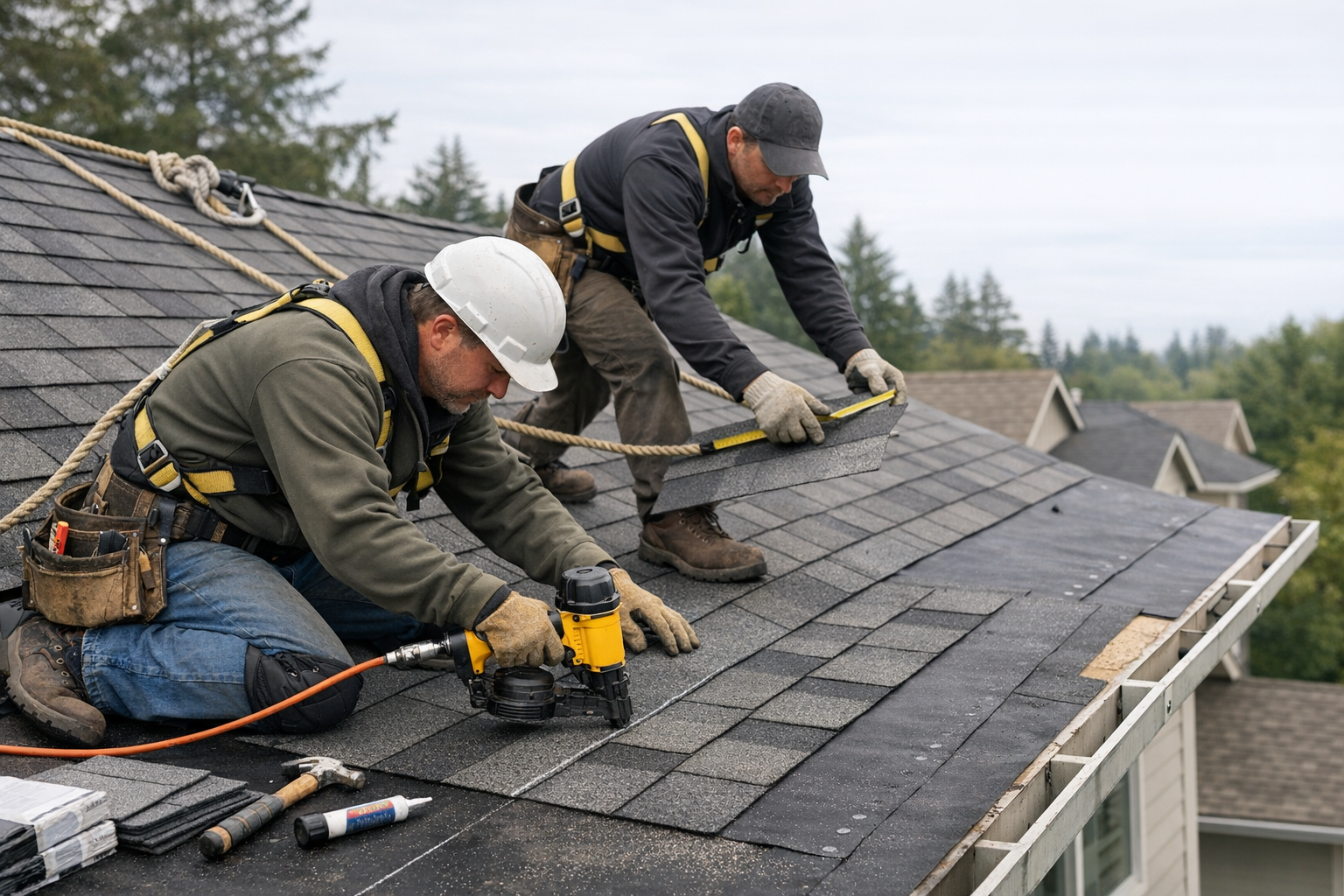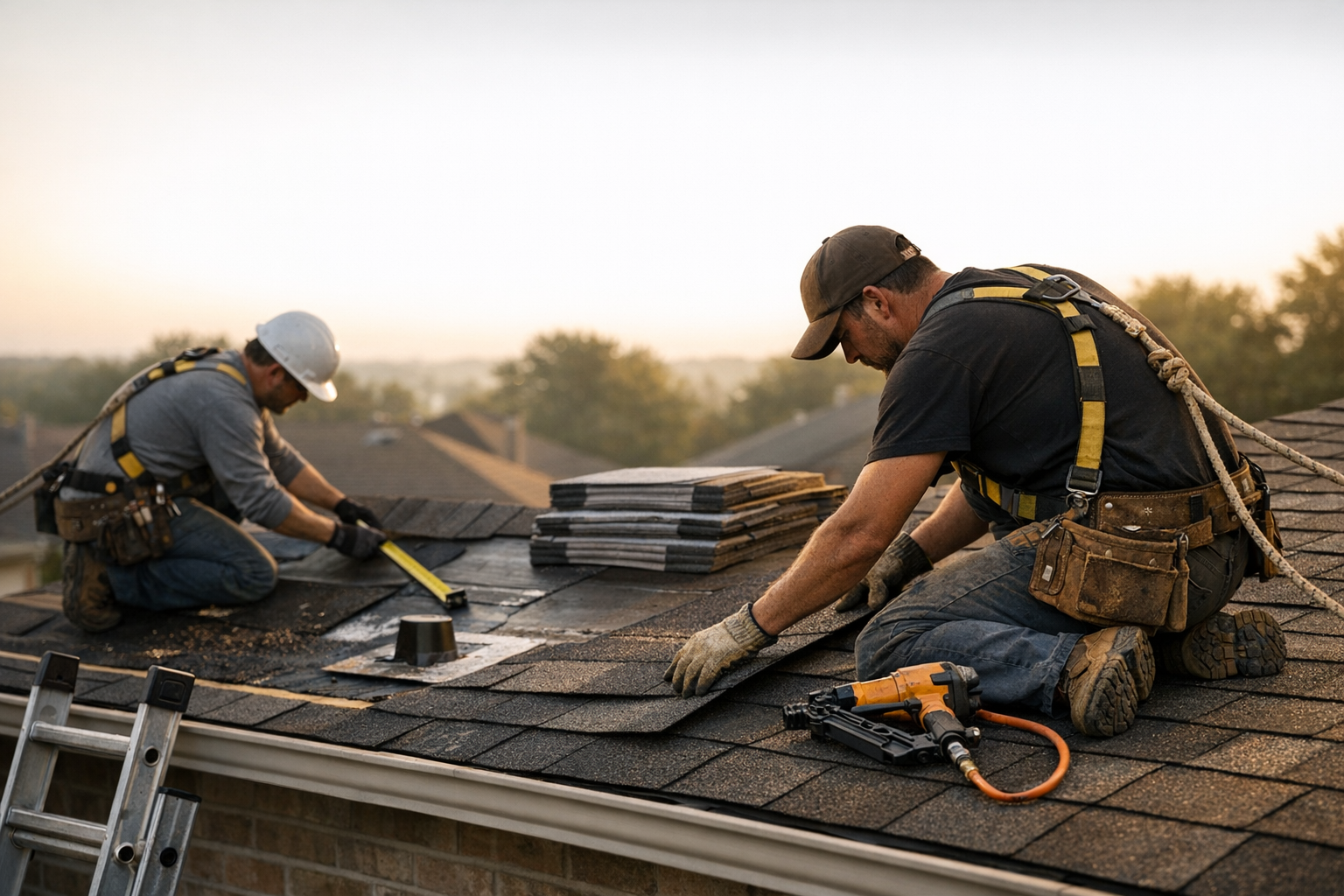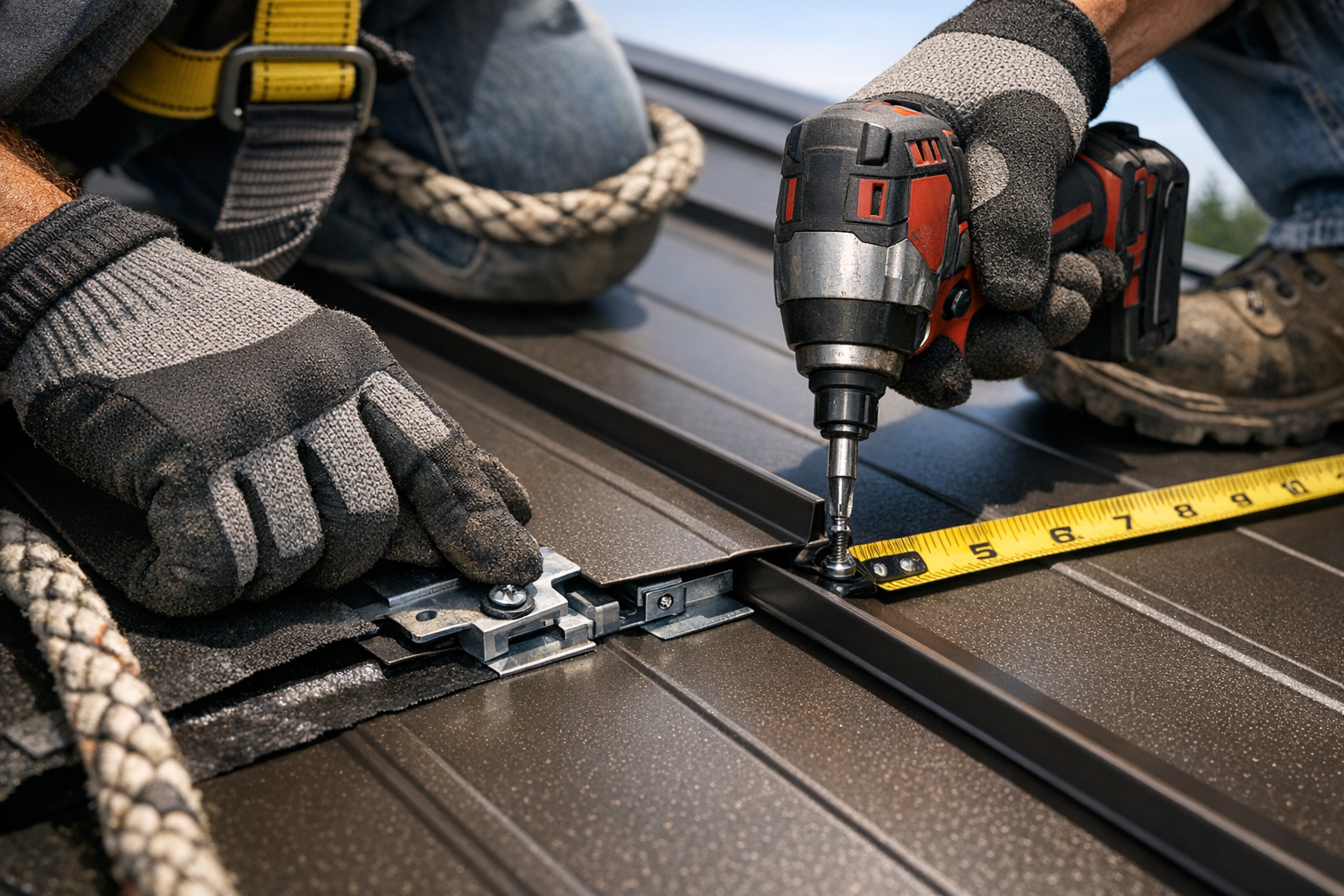

Roof Underlayment: Which Type Is Best For Rain-Heavy Climates
When you live in a rain-heavy or storm-prone area, your roof underlayment—not the shingles you see—is what quietly decides whether your home stays dry or slowly rots from hidden leaks. This article explains exactly what roof underlayment is, how different types perform in wet climates, and gives you clear, contractor-level guidance to choose the best system for your roof, budget, and weather conditions.
What Is Roof Underlayment and Why It Matters in Rain-Heavy Climates
When I explain roof underlayment to homeowners, I describe it as the unsung hero of the roofing system. You never see it once the shingles or metal panels go on, but in rain-heavy climates, it often determines whether your home stays dry or slowly develops hidden water damage.
In regions with long soaking rains, high humidity, and wind-driven storms, roof underlayment becomes more than a secondary layer. It becomes a critical water-management component that protects your decking, framing, and insulation.
What does roof underlayment actually do?
Roof underlayment is a protective layer installed directly over the roof decking and beneath your visible roofing material. Its primary job is to act as a secondary water barrier in case rain gets past shingles, tiles, or metal panels.
In simple terms, it does three things:
- Sheds water that slips under the outer roofing layer
- Protects roof decking from temporary exposure during installation
- Adds an extra layer of moisture defense during storms
For example, during a heavy rainstorm with strong winds, water can be pushed upward under shingle edges. Without quality roof underlayment, that water can reach the wood decking quickly. With the right underlayment in place, it drains down and away before damage occurs.
How roof underlayment works with shingles, metal, and tile
Each roofing material interacts differently with roof underlayment.
With asphalt shingles, the underlayment sits beneath overlapping courses. Shingles are water shedding, not waterproof. That means wind-driven rain can occasionally bypass them. The underlayment catches and redirects that moisture.
With metal roofing, condensation becomes a major concern. Metal panels expand and contract with temperature changes. A stable, tear-resistant underlayment helps handle movement while managing moisture below the panels.
Tile and slate roofs are even more dependent on roof underlayment. Because tiles are installed with gaps and rely on gravity for drainage, the underlayment often does the real waterproofing work beneath them.
Primary functions in rain-heavy regions: water shedding vs. waterproofing
This distinction matters.
Most roof underlayment is designed to shed water, not serve as a permanent waterproof membrane. It channels water downward toward the eaves. However, in valleys and low-slope areas, full waterproofing may be necessary.
In rain-heavy climates, I recommend thinking in layers:
- Shingles or panels shed most of the rain
- Underlayment manages secondary moisture
- Targeted waterproof membranes protect high-risk zones
Understanding that difference helps prevent unrealistic expectations about what each layer can handle.
Underlayment vs. ice & water shield vs. vapor barrier (clear definitions)
Homeowners often confuse these terms, so here is a clear breakdown:
- Roof underlayment: A broad protective layer beneath roofing materials that sheds water.
- Ice and water shield: A self-adhering waterproof membrane that seals around nails and prevents water intrusion in vulnerable areas.
- Vapor barrier: A material installed to control indoor moisture movement through walls or ceilings.
They serve different purposes. In wet climates, you often need more than one.
Why underlayment choice matters more in wet, humid, and stormy climates
In dry climates, underlayment may rarely face prolonged exposure to moisture. In rain-heavy regions, it is routinely tested.
Continuous rainfall can saturate weaker materials. High humidity slows drying. Storm winds force water upward into places it normally would not reach.
Choosing the right roof underlayment in these climates is not a minor detail. It directly impacts long-term structural integrity, mold risk, and even energy efficiency.
Main Types of Roof Underlayment (And How They Handle Heavy Rain)
There are four primary categories of roof underlayment. Each behaves differently under heavy rain and high humidity.
Asphalt-saturated felt (roofing felt / tar paper)
Asphalt-saturated felt, often called tar paper, has been used for decades. It is made from an organic or fiberglass mat soaked in asphalt.
Its strengths include affordability and broad code acceptance. It offers moderate water resistance and can perform adequately in mild climates.
However, in heavy rain, felt can wrinkle or absorb moisture. Prolonged exposure may cause deterioration. In my experience, felt performs best on steeper roofs where water drains quickly and rainfall is not constant.
Synthetic roof underlayment (polypropylene, polyethylene, polyester)
Synthetic roof underlayment is made from engineered polymers. It is lighter, stronger, and typically more tear-resistant than felt.
In rain-heavy climates, synthetic options offer key advantages:
- Higher tear strength during storms
- Better resistance to UV exposure if left uncovered temporarily
- Lower water absorption
For example, if installation is delayed by several days of rain, synthetic underlayment generally maintains integrity better than felt. That resilience can make a noticeable difference.
Rubberized asphalt / ice & water shield membranes
Rubberized asphalt underlayment is self-adhering and waterproof. It bonds directly to the decking and seals around nails.
This type of roof underlayment excels in high-risk areas such as valleys and eaves. In heavy rain combined with wind, it prevents water from penetrating fastener holes.
While more expensive, it offers the highest level of protection where leaks are most likely.
Breathable synthetic underlayments
Breathable synthetic roof underlayment allows water vapor to escape while blocking liquid water from entering.
This is particularly useful in humid climates where trapped moisture in attic spaces can cause mold or rot. Breathable products balance external water protection with internal moisture control.
Self-adhered vs mechanically fastened underlayments
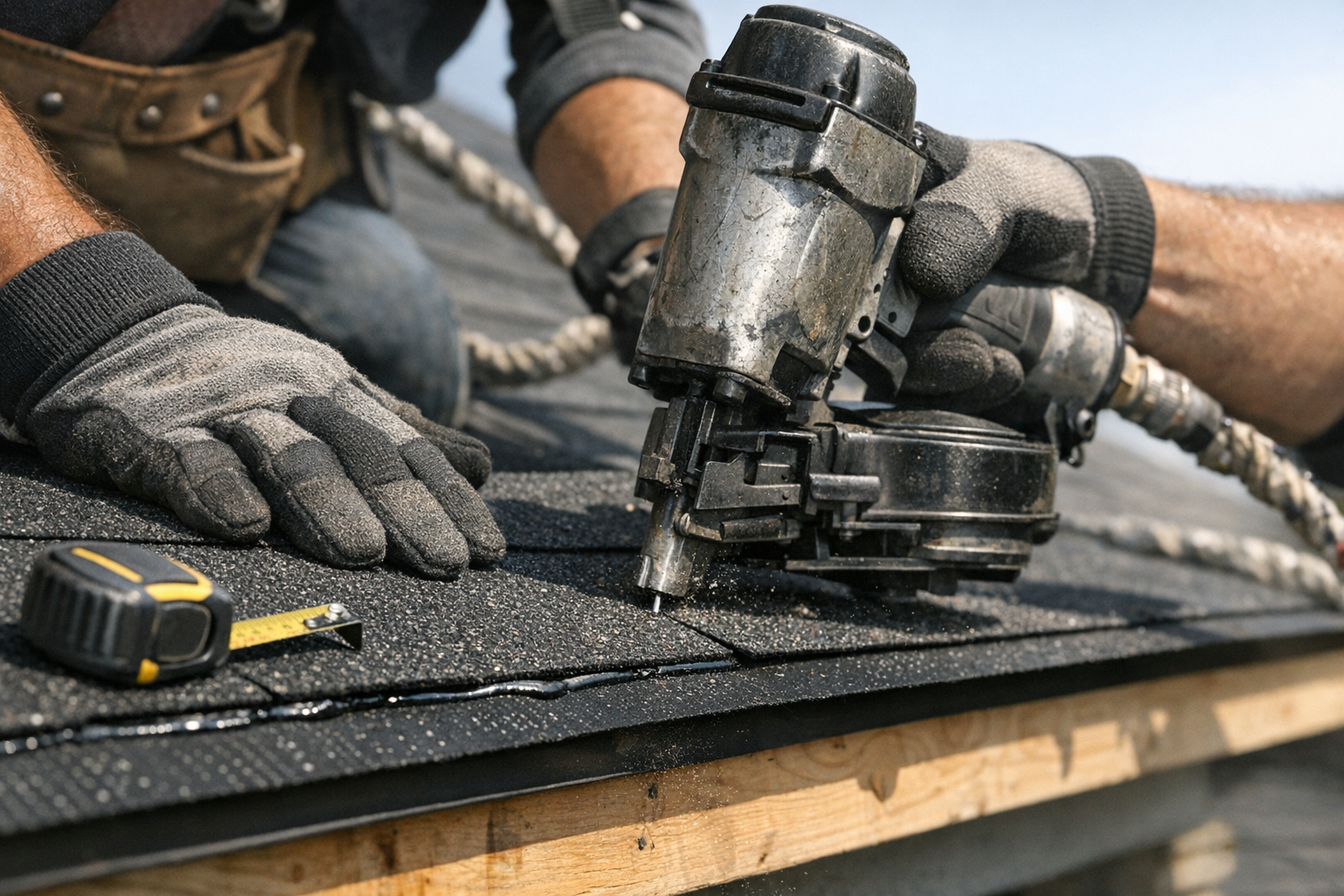
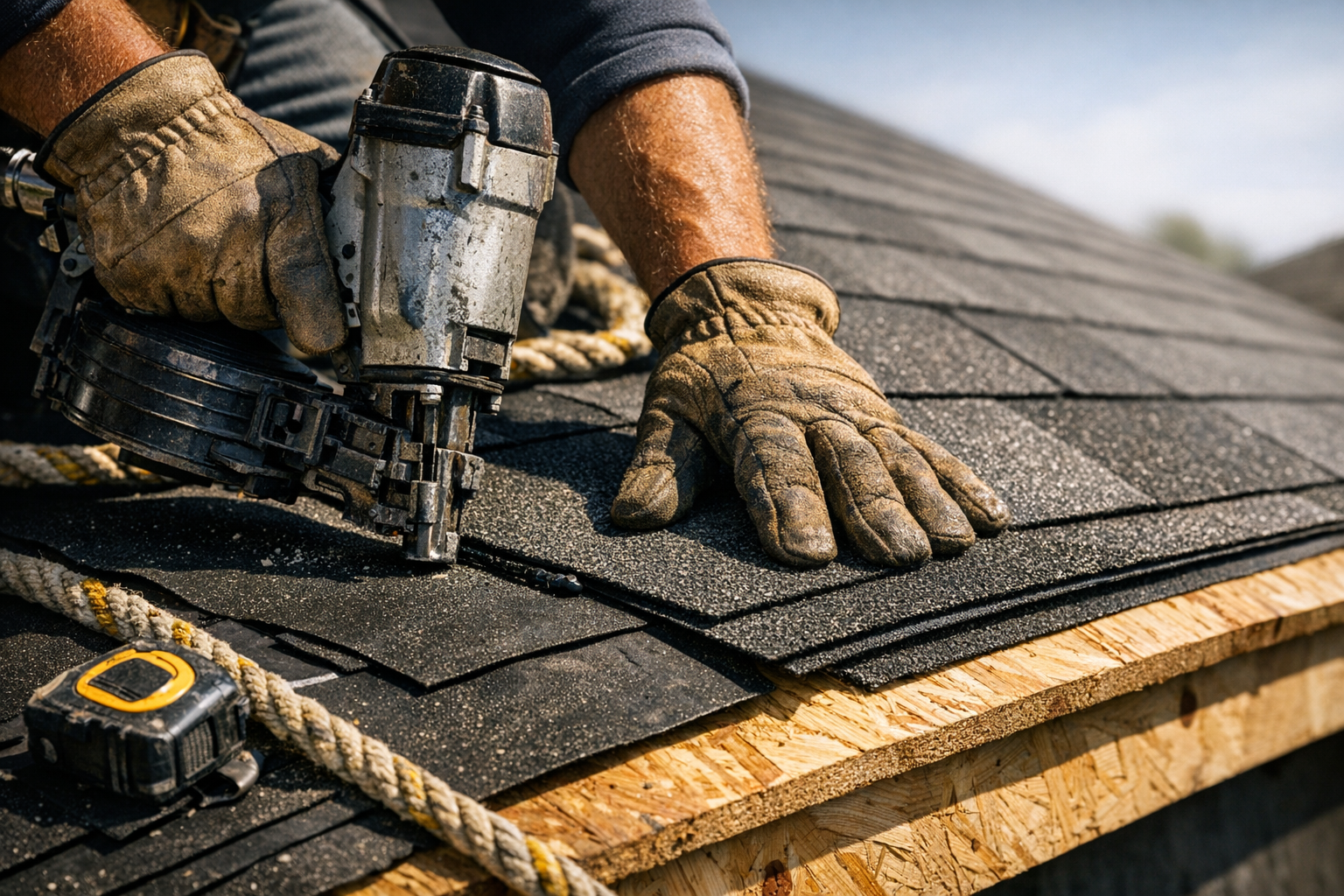
Self-adhered underlayment sticks directly to the decking. Mechanically fastened products use nails or staples.
In storm-prone areas, self-adhered systems reduce the risk of blow-off during installation. Mechanically fastened options can perform well when properly installed with correct overlaps and fastening patterns.
The right choice depends on slope, exposure risk, and budget.
How Rain-Heavy Climates Stress Your Roof Underlayment
Heavy rain does more than make your roof wet. It creates sustained stress conditions.
Continuous rain vs. short storms: why duration matters
A 30-minute thunderstorm tests surface drainage. A three-day rain event tests system durability.
Continuous rain saturates materials and slows drying. Lower-quality roof underlayment may remain damp for extended periods, increasing the chance of deterioration or mold beneath the deck.
Duration often matters more than intensity.
Wind-driven rain and uplift: where underlayment often fails
Wind changes everything.
When rain is driven sideways or upward, water can travel beneath shingles. At the same time, uplift pressure stresses fasteners and seams.
Weak overlaps or improperly fastened roof underlayment are common failure points. High tear strength and correct installation are critical in these environments.
Ponding water, slow drying, and trapped moisture risks
Low-slope areas may allow temporary ponding. Even small amounts of standing water increase infiltration risk.
If moisture becomes trapped between layers, wood decking may soften over time. This is one reason breathable underlayment and proper ventilation matter.
The role of freeze-thaw and ice dams in wet, cold regions
In climates with both rain and freezing temperatures, water can refreeze at the eaves.
Ice dams force water backward beneath shingles. Without waterproof roof underlayment at these edges, leaks are common.
This is exactly why the International Residential Code requires ice barrier underlayment in regions with a history of ice damming, extending from the roof's edge to at least 24 inches inside the exterior wall line.
Humidity, condensation, and poor attic ventilation
High humidity alone can create moisture issues.
Warm indoor air rises, meets a cool roof deck, and condenses. Without proper ventilation and compatible underlayment, this moisture remains trapped.
The EPA's guidance on mold and moisture is blunt about what happens next: materials that stay damp for more than 24-48 hours are at real risk of mold growth, which is why trapped moisture behind underlayment is a structural problem, not just a comfort issue.
In wet climates, I always evaluate attic ventilation alongside underlayment selection.
Felt vs Synthetic Roof Underlayment in Wet Weather
This is one of the most common comparisons homeowners ask about.
Performance comparison: water resistance, UV, and tear strength
Synthetic roof underlayment generally outperforms felt in tear resistance and UV stability. It is less prone to wrinkling and can resist extended moisture exposure.
Felt provides basic water shedding but is more vulnerable to tearing and saturation in prolonged rain.
Exposure time in rainy conditions: how long each type can stay uncovered
Synthetic products often tolerate longer exposure before shingles are installed. Felt typically requires quicker coverage.
In regions with unpredictable rain delays, this difference can reduce risk during construction.
Slip resistance and safety on wet roofs
Many synthetic products include textured walking surfaces. This improves safety during installation in damp conditions.
Felt can become slick when wet, increasing fall risk.
Lifespan and warranty expectations in rain-heavy regions
Synthetic roof underlayment usually aligns better with modern roofing lifespans, especially for metal or tile systems.
Felt may perform adequately beneath standard shingles but may not match extended roofing warranties.
When felt still makes sense (budget, low-risk roofs, mild climates)
Felt remains viable for:
- Budget-conscious projects
- Steep-slope roofs with excellent drainage
- Regions without prolonged heavy rainfall
It is not obsolete. It simply requires careful matching to conditions.
Rubberized Asphalt & Ice and Water Shield: Where You Need Extra Protection
In rain-heavy climates, targeted waterproofing often makes the biggest difference.
What is rubberized asphalt underlayment?
Rubberized asphalt roof underlayment is a self-adhering membrane composed of asphalt modified with rubber polymers. It bonds directly to the roof deck and forms a watertight seal.
It is designed for true waterproofing rather than simple water shedding.
Self-sealing around fasteners: why it’s critical in valleys and eaves
When nails penetrate rubberized membranes, the material seals tightly around them.
In valleys, where two roof planes meet and concentrate water flow, this self-sealing ability prevents leaks during heavy storms.
Ideal locations: eaves, valleys, low-slope sections, and penetrations
- Roof valleys
- Eaves prone to ice dams
- Around chimneys and vents
- Skylights and roof transitions
These zones experience the highest water exposure.
Full-coverage vs. partial-coverage in rainy or coastal climates
Partial coverage targets vulnerable areas. Full coverage provides comprehensive protection.
In coastal or hurricane-prone climates, full-coverage waterproof underlayment can serve as a secondary water barrier if shingles blow off.
Cost vs. risk trade-off: when premium underlayment pays for itself
Upgrading underlayment typically represents a small percentage of total roof cost.
When weighed against potential decking replacement, mold remediation, or interior repairs, premium protection often makes financial sense in rain-heavy regions.
How to Choose the Best Roof Underlayment for Rain-Heavy Climates
Selecting the right system requires evaluating multiple factors together.
Step 1: Match underlayment to roof slope and design complexity
Low-slope roofs require stronger water resistance. Complex roofs with multiple valleys increase risk.
The more complicated the design, the more robust your roof underlayment strategy should be.
Step 2: Consider your primary roofing material (asphalt, metal, tile, low-slope)
Metal roofing benefits from durable synthetic or breathable underlayment. Tile roofs often demand high-strength materials.
Asphalt shingles offer more flexibility but still require climate-appropriate selection.
Step 3: Evaluate local climate patterns (rainfall, storms, humidity, freeze-thaw)
Ask practical questions:
- How many inches of rain fall annually?
- Are multi-day storms common?
- Do freeze-thaw cycles occur?
Your answers guide material selection.
Step 4: Check building codes, manufacturer guidelines, and warranties
Code requirements may mandate ice barrier coverage at eaves. Roofing manufacturers specify compatible roof underlayment types.
Following these guidelines protects warranty coverage.
Step 5: Balance upfront budget vs. long-term risk of water damage
Saving a small amount on underlayment can expose you to significant long-term risk.
I advise homeowners to view underlayment as insurance for the structure beneath their roof.
Best Roof Underlayment by Roofing Material in Wet Regions
Asphalt shingle roofs in rain-heavy climates
For asphalt shingles, I typically recommend high-quality synthetic roof underlayment paired with ice and water shield at eaves and valleys.
This combination balances cost and performance.
Metal roofing: managing condensation and thermal movement
Metal roofs expand and contract significantly. Tear-resistant synthetic underlayment performs well.
In humid climates, breathable options help manage condensation beneath panels.
Tile, slate, and heavy roofing systems under prolonged rain
These systems rely heavily on underlayment for waterproofing.
Durable synthetic or rubberized membranes are often the safest choice due to weight and long service life.
Low-slope and “problem” roofs that collect water
Low-slope areas face increased ponding risk.
Waterproof or self-adhered roof underlayment is often necessary to prevent slow seepage.
Older homes vs new builds: framing, decking, and ventilation considerations
Older homes may lack modern ventilation.
In these cases, breathable underlayment and improved attic airflow can reduce trapped moisture.
New builds allow more integrated moisture management from the start.
Common Roof Underlayment Mistakes That Lead to Leaks
Skimping on coverage in valleys, around chimneys, and at eaves
These areas experience the highest water flow. Minimal coverage increases leak risk dramatically.
Using the wrong underlayment for roof slope or climate
Basic felt on a low-slope roof in a rain-heavy region is a common mismatch.
Material must match environment.
Poor fastening and overlaps that allow wind-driven rain to penetrate
Incorrect overlap width or fastening patterns create entry points.
Attention to detail matters.
Installing over damaged or uneven roof decking
Soft or warped decking compromises adhesion and performance.
Underlayment cannot compensate for structural defects.
Ignoring ventilation and moisture management below the deck
Without ventilation, even premium roof underlayment can trap moisture.
Roof systems must work together.
“What’s Best for My Home?”: Real-World Scenarios in Rain-Heavy Areas
Short, intense storms vs. long, soaking rains: different risk profiles
Short storms test uplift resistance. Long rains test saturation tolerance.
Material selection should reflect dominant weather patterns.
Coastal climates with salt air and high winds
Corrosion resistance and high tear strength become priorities.
Full secondary water barrier coverage is often wise.
Humid, warm regions with afternoon thunderstorms
Frequent rainfall combined with heat increases mold risk.
Breathable synthetic underlayment paired with proper ventilation performs well.
Cool, wet climates with frequent drizzle and fog
Persistent moisture requires materials that resist slow saturation.
Durability over time is critical.
Mountain and mixed climates: heavy rain plus snow and ice
These regions demand combined strategies: synthetic base layers and waterproof membranes at eaves and valleys.
Cost, Value, and ROI: Is Premium Roof Underlayment Worth It?
Price ranges: felt vs synthetic vs rubberized asphalt
Felt is generally the lowest cost. Synthetic costs more but remains moderate. Rubberized asphalt is the premium option.
However, material cost differences are small compared to total roofing labor and materials.
How small underlayment upgrades prevent expensive structural repairs
Water damage can require decking replacement, insulation removal, and interior ceiling repairs.
Spending slightly more upfront reduces that risk significantly.
Insurance, resale value, and inspection findings in wet regions
Inspectors often look closely at water damage history.
A robust roof underlayment system supports clean inspections and buyer confidence.
Lifecycle costs: replacing a roof early due to underlayment failure
If underlayment fails prematurely, you may need partial tear-off sooner than expected.
That dramatically increases lifecycle cost.
Where to spend more—and where you can safely save
I prioritize:
- Valleys
- Eaves
- Low-slope transitions
On simple, steep roofs in moderate climates, you may not need full premium coverage everywhere.
How Professional Installers Protect Roofs in Rain-Heavy Climates
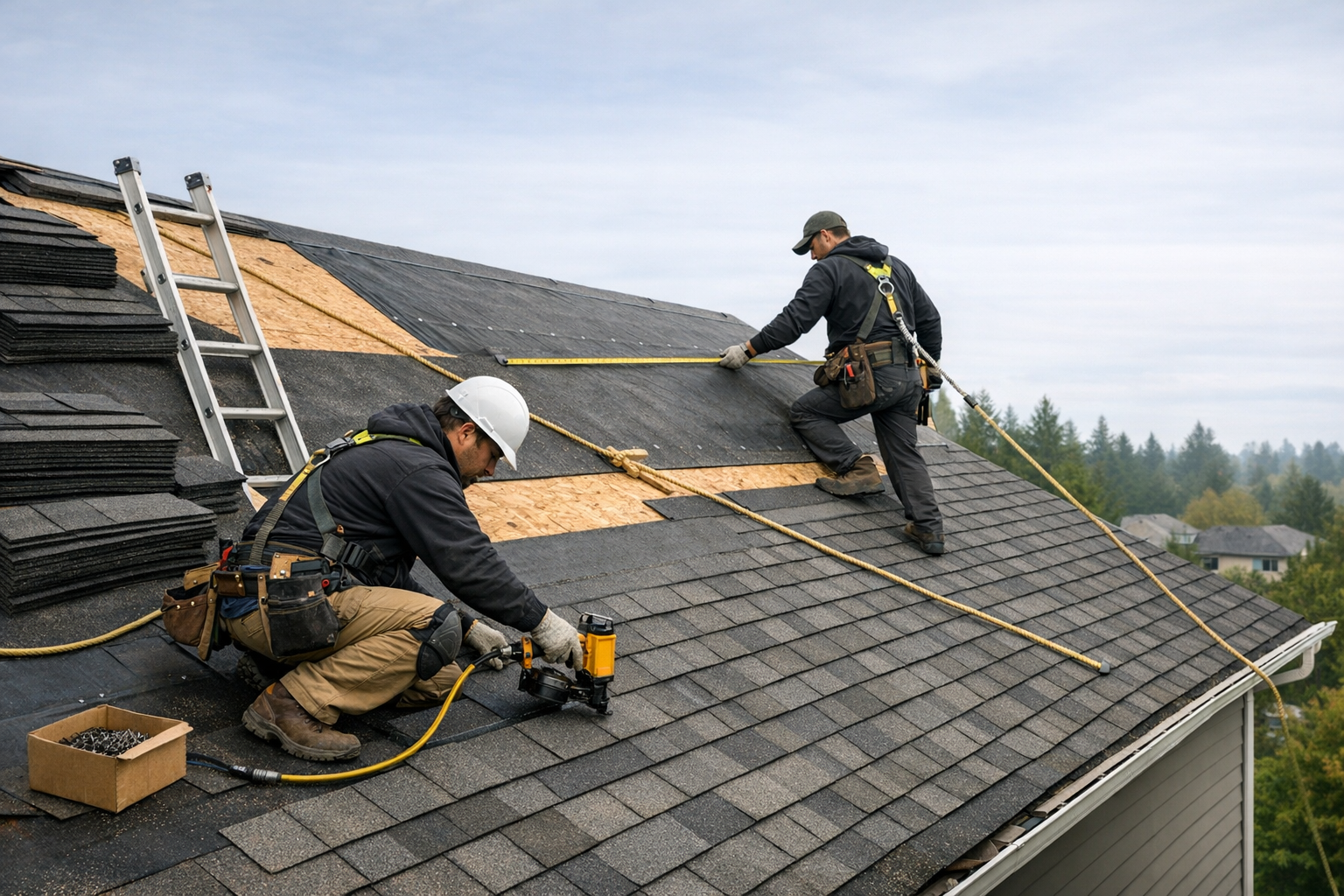
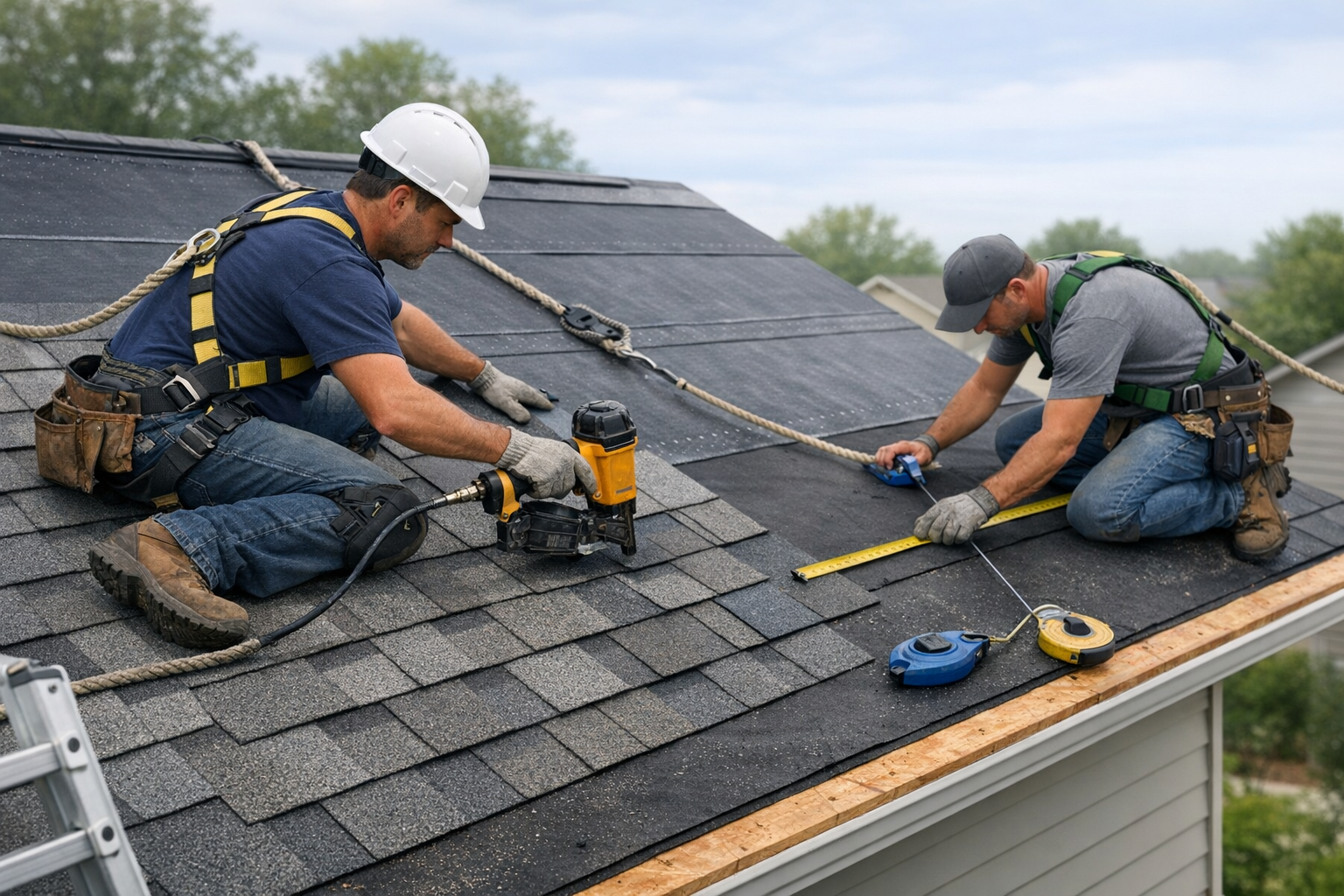
Best-practice installation details for wet-weather performance
Key practices include:
- Proper overlap distances
- Correct fastening patterns
- Smooth decking preparation
- Tight sealing at penetrations
These details determine real-world performance.
Staging a roofing project around rain forecasts and exposure limits
Roof underlayment has exposure limits. Professional planning minimizes uncovered time.
Weather awareness reduces risk during installation.
Combining multiple underlayment types for layered protection
A common strategy is synthetic roof underlayment across the field with rubberized membranes in high-risk areas.
Layered systems provide balanced protection.
Verifying compliance with shingle/metal/tile manufacturer specs
Following manufacturer guidelines protects warranties and ensures compatibility.
Documentation matters.
What to ask a contractor about their underlayment approach
Ask:
- What type of roof underlayment will be used?
- Where will waterproof membranes be installed?
- How do you handle valleys and penetrations?
Clear answers signal experience.
Underlayment Red Flags During Roof Inspections
Visible buckling, wrinkling, or telegraphing through shingles
These signs may indicate saturated or poorly installed underlayment beneath.
Signs of trapped moisture: staining, mold smell, and soft decking
Interior ceiling stains or attic odors can point to underlayment failure.
Evidence of past patchwork around penetrations and valleys
Repeated repairs often trace back to inadequate waterproofing at critical areas.
Early shingle failure that points back to underlayment issues
Curling or lifting shingles may reflect moisture problems below.
When an inspection suggests upgrading underlayment during re-roofing
Re-roofing provides the best opportunity to improve protection.
Upgrading roof underlayment during replacement is often wise in rain-heavy climates.
Roof Underlayment for Storm-Prone and Hurricane-Exposed Areas
Wind ratings and tear resistance under uplift loads
High tear strength helps resist uplift during severe storms.
Synthetic materials often perform better here.
Secondary water barrier strategies when shingles blow off
Full-coverage waterproof underlayment can temporarily protect decking if outer roofing fails.
This adds resilience.
Code requirements in coastal and high-wind zones
Many codes require enhanced eave protection and specific fastening methods.
Compliance is essential.
Underlayment choices that support impact-resistant shingles
Stronger underlayment complements reinforced shingles for complete storm systems.
Planning for future storms: building resilience into your roof system
Investing in durable roof underlayment today can reduce long-term storm repair costs.
Resilience is about preparation, not reaction.
How to Talk With Your Contractor About Roof Underlayment
Key questions homeowners should ask before signing a contract
Request details about product type, coverage areas, and fastening methods.
Do not settle for vague descriptions.
How to compare underlayment options on written estimates
Look for material specifications, not just generic terms like “standard underlayment.”
Specifics matter.
Interpreting “good / better / best” underlayment proposals
Understand what differentiates each tier:
- Material type
- Coverage scope
- Tear strength and waterproof rating
Warning signs your contractor is cutting corners on underlayment
Minimal valley protection or refusal to discuss specifications can signal shortcuts.
When to insist on specific products or performance ratings
In rain-heavy climates, insisting on minimum tear strength or waterproof membranes at eaves is reasonable.
Your roof protects your entire home.
Next Steps: Choosing the Right Roof Underlayment for Your Project
Narrowing your options based on roof type, budget, and climate
List your priorities: rainfall intensity, roof complexity, and long-term plans.
Match materials accordingly.
When to use a hybrid approach (synthetic + ice & water shield)
This is one of the most effective strategies in rain-heavy regions.
Synthetic roof underlayment handles broad coverage. Ice and water shield reinforces vulnerable zones.
Documents to review: codes, manufacturer specs, and warranties
Before installation, review local building codes and roofing manufacturer guidelines.
Proper documentation protects your investment.
How a trusted local supplier/installer can help you finalize the choice
Experienced professionals understand regional climate stress patterns.
By discussing your specific roof design and weather exposure, you can confidently select the roof underlayment that provides durable, long-term protection in even the wettest conditions.
Key Takeaways
- Choosing the right roof underlayment is critical in rain-heavy climates, as it serves as the main defense against leaks, water damage, and mold by managing moisture that gets past shingles or panels.
- Synthetic roof underlayment and rubberized asphalt (ice & water shield) offer superior water resistance, tear strength, and longevity compared to traditional felt, making them the preferred options for wet, storm-prone regions.
- Targeted use of waterproof membranes in high-risk areas—such as valleys, eaves, and low-slope sections—dramatically reduces leak risks, especially during long rain events or wind-driven storms.
- Proper installation, including correct overlaps, fastening, and ventilation, is as important as material choice for long-term roof protection and warranty compliance in rain-heavy climates.
- Investing in premium or hybrid underlayment systems pays off by preventing costly structural repairs, supporting insurance and resale value, and ensuring resilience against severe weather and storms.
Frequently Asked Questions
1. What is the best roof underlayment for rain-heavy climates?
The best roof underlayment for rain-heavy climates is typically a high-quality synthetic underlayment combined with ice and water shield in vulnerable areas like eaves and valleys. This pairing offers superior water resistance, durability, and protection against leaks during prolonged or intense rainfall.
2. How does synthetic roof underlayment compare to felt in wet weather?
Synthetic roof underlayment outperforms felt in wet weather due to its higher tear strength, better resistance to moisture, and longer exposure tolerance. Felt may absorb water and deteriorate faster, while synthetic options stay intact during rain delays or heavy storms.
3. Where should ice and water shield be installed on a roof in rainy regions?
Ice and water shield should be installed in high-risk areas such as roof valleys, eaves, around chimneys, skylights, and other penetrations. In rain-heavy or coastal climates, some homeowners opt for full coverage for maximum leak protection.
4. Why is roof underlayment important in humid or stormy climates?
Roof underlayment acts as a crucial secondary barrier against water intrusion. In humid or stormy climates, it protects the roof decking from wind-driven rain, prolonged moisture, and condensation, helping prevent leaks, mold, and structural damage.
5. How do I choose the right roof underlayment for my home?
Choose roof underlayment based on your roof’s slope, local rainfall patterns, roofing material, and building codes. For rain-heavy climates, prioritize synthetic or rubberized underlayment and ensure proper installation in high-risk areas to maximize long-term protection.
Protect your home from costly water damage and ensure your roof stands strong in any weather with the right roof underlayment and expert roofing services. If you want confidence that your next roof—whether asphalt shingles, metal roofing, or tile—will deliver lasting protection in rain-heavy climates, do not leave it to chance. Schedule a consultation with our experienced team today and get personalized recommendations for the best materials and installation practices to keep your home safe and dry for years to come.