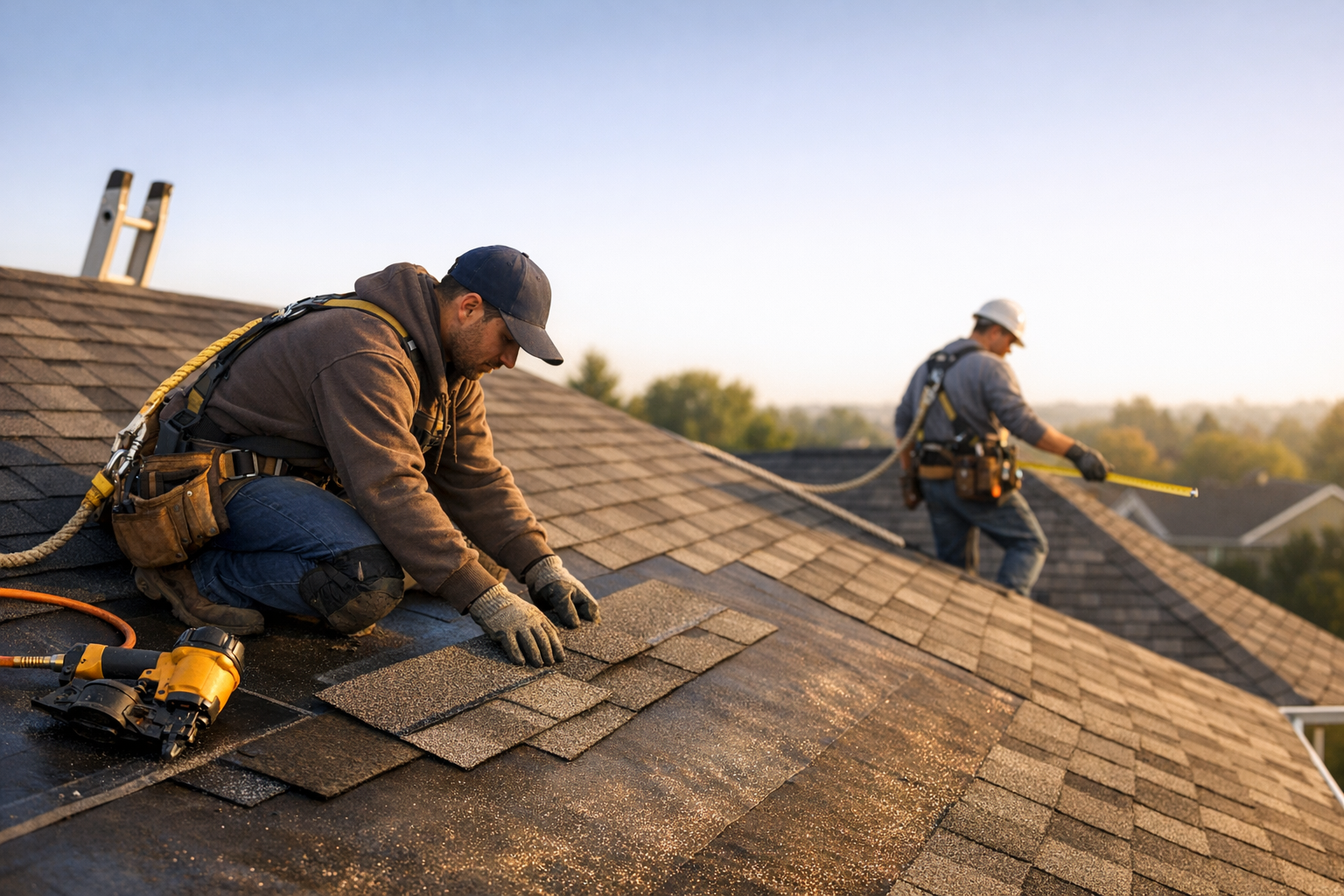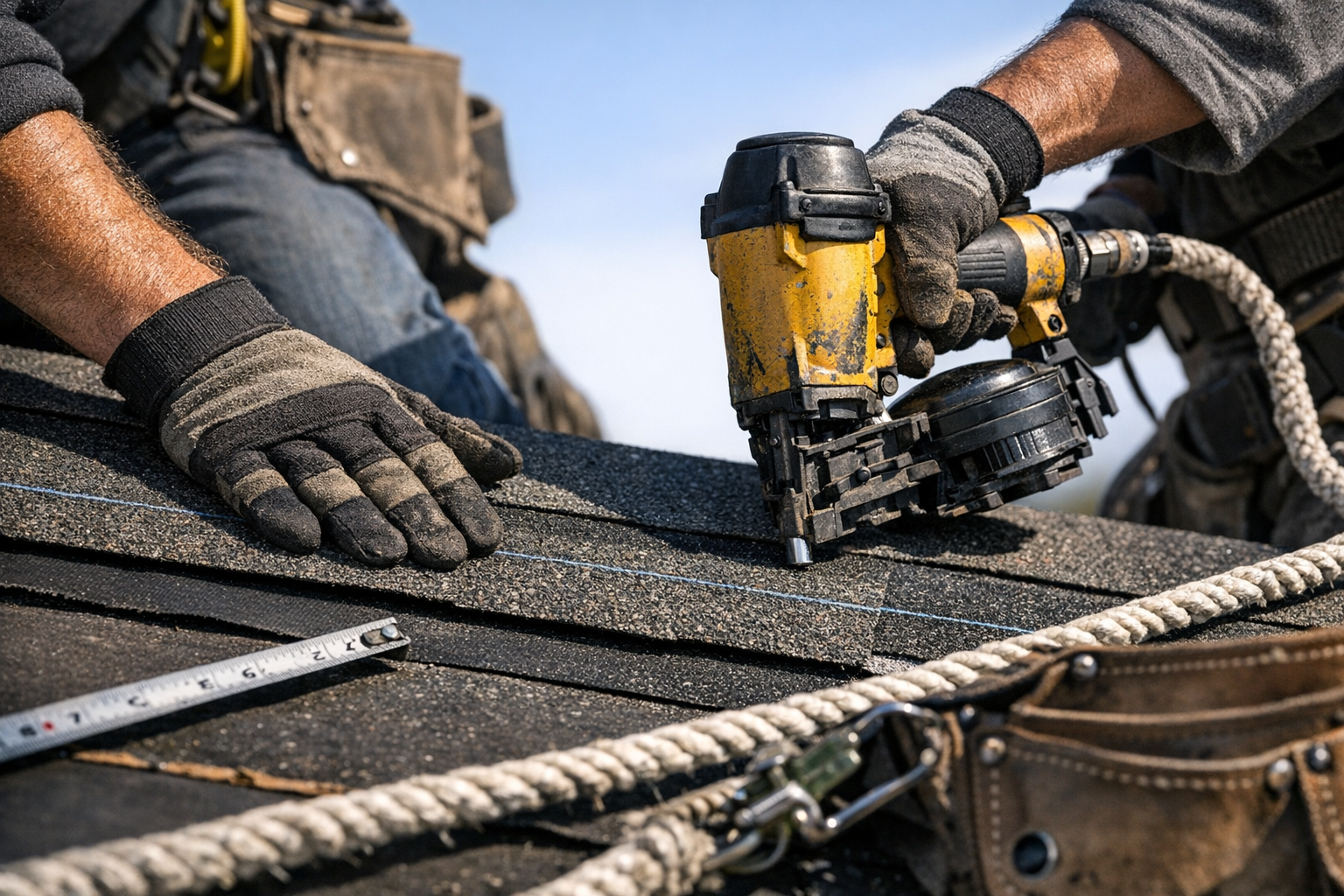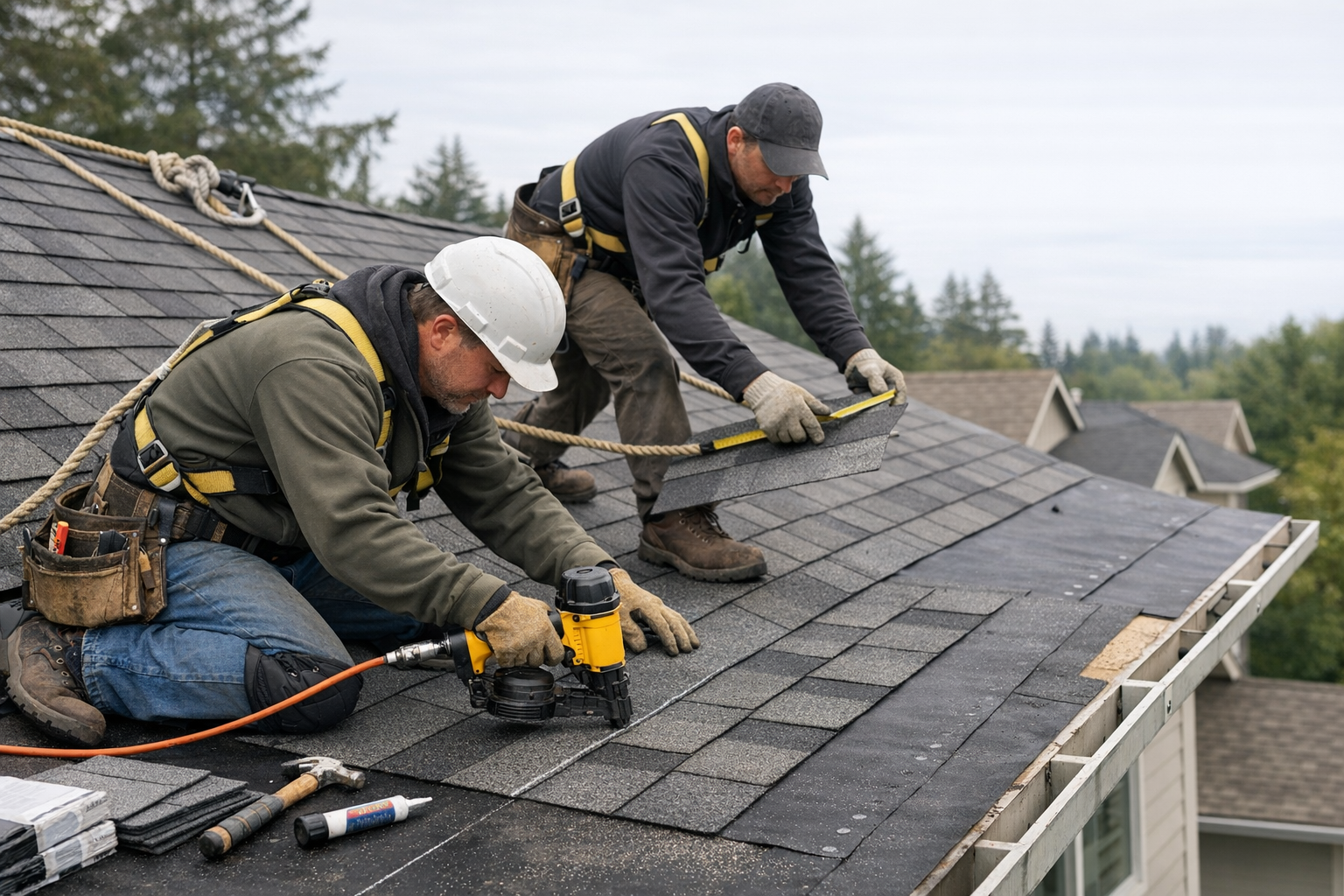
Roofing Maintenance Program: What’s Included And Who It’s For
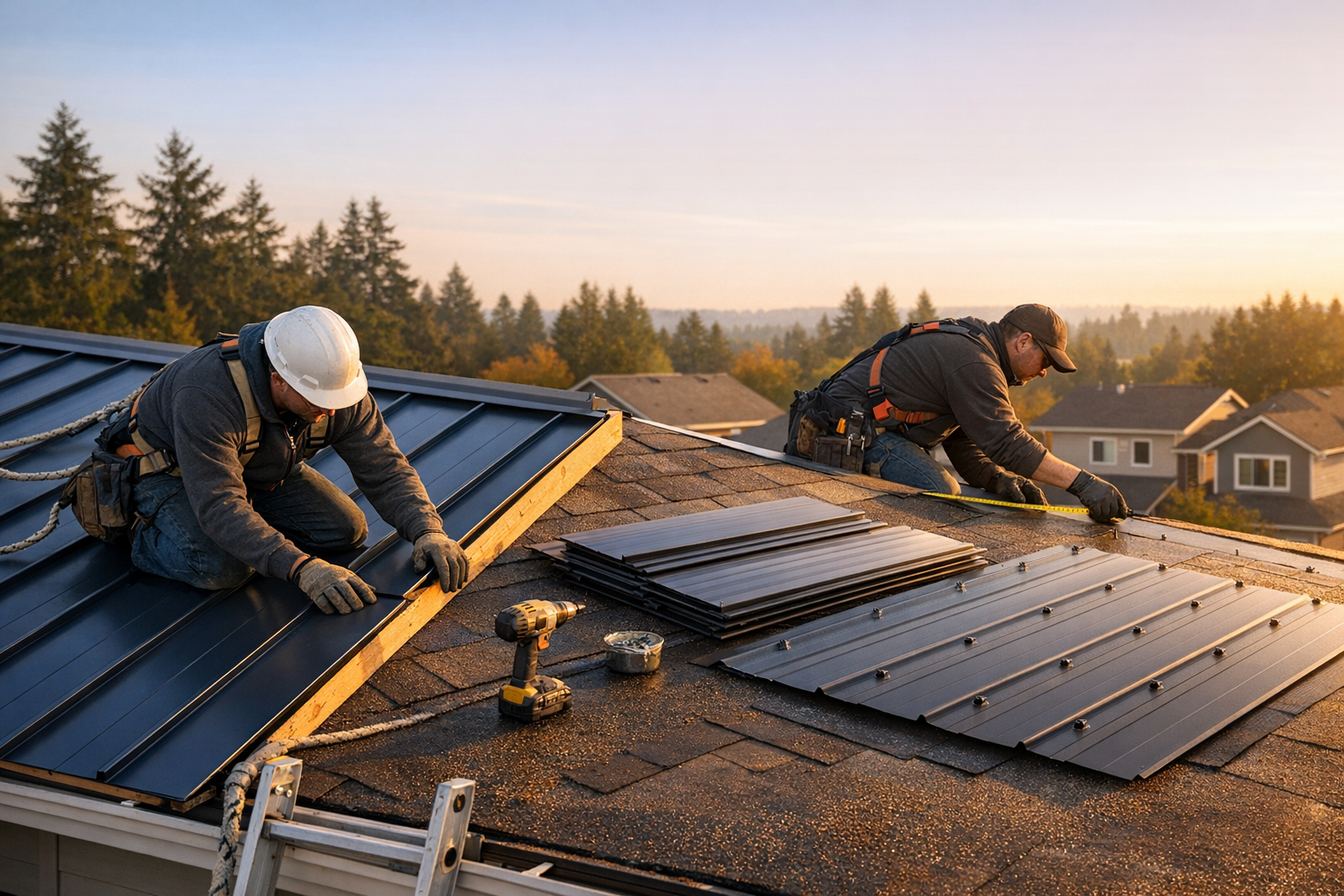
Most roofs don’t suddenly fail—they slowly deteriorate in ways you can’t see until leaks, rot, and expensive emergencies force your hand. This article explains exactly what a Roofing Maintenance Program is, what’s included, how often you really need it, and how the right plan can extend your roof’s life, protect warranties, prevent surprise repair bills, and give you documented peace of mind whether you’re a homeowner, landlord, or property manager.
What Is a Roofing Maintenance Program?
Simple definition a homeowner can understand
A Roofing Maintenance Program is a structured, ongoing plan to inspect, clean, and protect your roof on a regular schedule.Instead of waiting for a leak or storm damage, the roof is checked proactively and minor issues are addressed before they grow into expensive problems.
In simple terms, it is like routine servicing for your car. You would not wait for your engine to fail before changing the oil. Your roof works the same way. It faces sun, rain, wind, snow, and debris every day. A Roofing Maintenance Program keeps that exposure from turning into premature damage.
I explain it to homeowners this way: you are not just paying for inspections. You are investing in prevention, documentation, and long-term roof performance.
How a maintenance program differs from a one-time roof repair or inspection
A one-time inspection is a snapshot. A Roofing Maintenance Program is a timeline.
When I perform a single inspection, I assess current conditions and recommend repairs. That is helpful, but it does not track how the roof changes year after year. A maintenance program builds a record. It shows wear patterns, recurring trouble spots, and aging trends.
A one-time repair fixes a visible issue. A Roofing Maintenance Program looks for hidden risks before they show up inside your home. For example, small flashing separation may not leak today, but over time it will. With routine visits, we catch it early.
The difference is reactive versus proactive. Programs are designed for prevention and long-term cost control.
Common terms you’ll hear
When discussing a Roofing Maintenance Program, you may hear terms such as:
- Inspection
- Tune-up
- Service agreement
- Preventative maintenance
- Roof asset management
Inspection refers to evaluating the condition of all roofing components. A tune-up usually includes minor repairs such as resealing exposed fasteners. A service agreement outlines scheduled visits and included services. Roof asset management is more common in commercial settings, focusing on maximizing roof lifespan and budgeting for future replacement.
Understanding these terms helps you compare proposals and know exactly what is included.
Why roof maintenance matters more as your roof ages
New roofs still benefit from baseline inspections, but aging roofs truly depend on consistent care. As shingles lose granules and sealants dry out, vulnerability increases.
A 5-year-old asphalt shingle roof may only need light monitoring. A 15-year-old roof, however, is entering a stage where flashing, ventilation, and shingle brittleness require closer attention.
Weathering accelerates over time. Sun exposure weakens materials. Freeze-thaw cycles expand small cracks. Without a Roofing Maintenance Program, aging issues go unnoticed until water reaches the interior. Regular monitoring slows this process and helps extend the roof’s usable life.
Why a Roofing Maintenance Program Is Worth It
How neglected roofs fail
Most roof failures follow a predictable path. It starts small. A lifted shingle. A cracked vent boot. A clogged gutter. Water begins entering where it should not.
Over time, that moisture causes:
- Wood rot in decking
- Mold growth in insulation
- Stained ceilings and drywall damage
- Structural weakening
By the time you see interior staining, the problem has likely existed for months. A Roofing Maintenance Program interrupts that chain reaction early.
Neglect does not just cause leaks. It shortens the entire life cycle of the roofing system.
The real cost comparison
Emergency roof repairs almost always cost more than planned maintenance. When water is actively entering the home, urgency increases labor costs and material waste.
Consider this comparison:
- Planned visit: inspection plus minor repairs during a scheduled service
- Emergency visit: leak tracing, interior protection, urgent patching, potential decking replacement
The second scenario is far more disruptive and expensive. A Roofing Maintenance Program spreads costs predictably and reduces surprise expenditures.
From a budgeting perspective, maintenance creates stability. Emergencies create stress.
Insurance, warranties, and code issues
Many roofing warranties require reasonable maintenance. If neglect is documented, claims may be denied. A Roofing Maintenance Program provides written records and photo documentation to demonstrate responsible care.
Insurance claims also benefit from documentation. After hail or wind events, having pre-storm inspection records strengthens your position.
Building codes evolve. During routine visits, I check for issues that may create compliance concerns, such as improper ventilation or flashing defects. Addressing these early prevents larger corrections later.
Peace-of-mind benefits
Peace of mind is difficult to measure but easy to feel. Homeowners sleep better knowing their roof is being monitored. Property managers appreciate predictable budgeting. Investors value asset protection.
A Roofing Maintenance Program shifts roof care from reactive worry to structured oversight. Instead of wondering when something will go wrong, you know someone is consistently watching for problems.
What’s Typically Included in a Roofing Maintenance Program
Visual inspection of the entire roof system
A proper Roofing Maintenance Program examines the full system, not just shingles. That includes:
- Shingles or membrane surface
- Flashing and roof transitions
- Penetrations such as vents and chimneys
- Gutters and drainage
- Ventilation components
The goal is to view the roof as an interconnected system. A failure in one area often affects another. For example, clogged gutters can force water under shingles near the eaves.
I never isolate components. Everything works together.
Detailed photo documentation and written condition report
Every visit should produce a written report with photos. This documentation establishes a baseline and tracks changes over time.
A strong report includes:
- Overall roof condition rating
- Identified deficiencies
- Immediate repair needs
- Preventative recommendations
Photos remove guesswork. You can see what we see. Over multiple visits, trends become clear, which helps forecast larger repairs before they become urgent.
Minor repairs and adjustments included
Most Roofing Maintenance Programs include small repairs during routine visits. Examples may include:
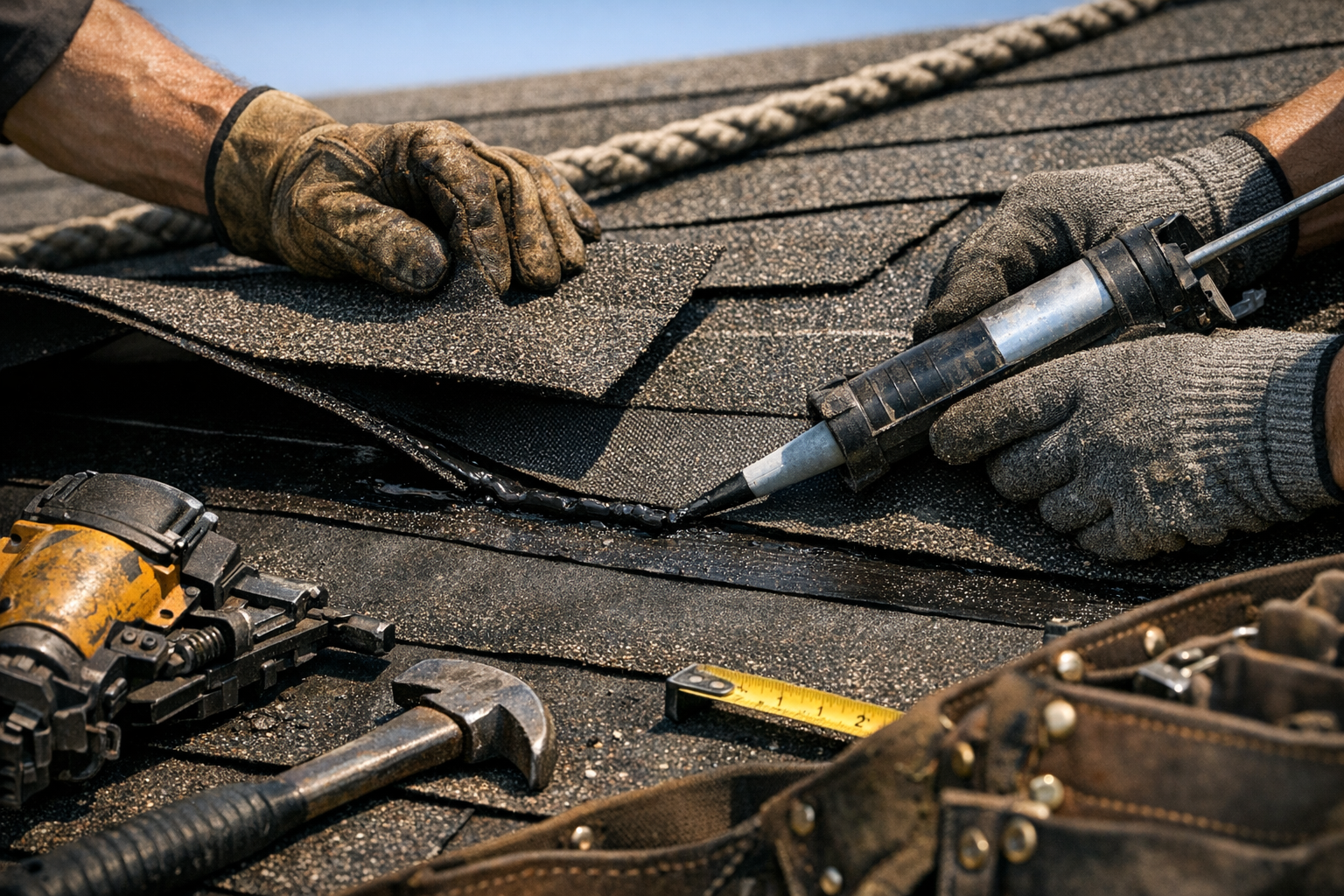
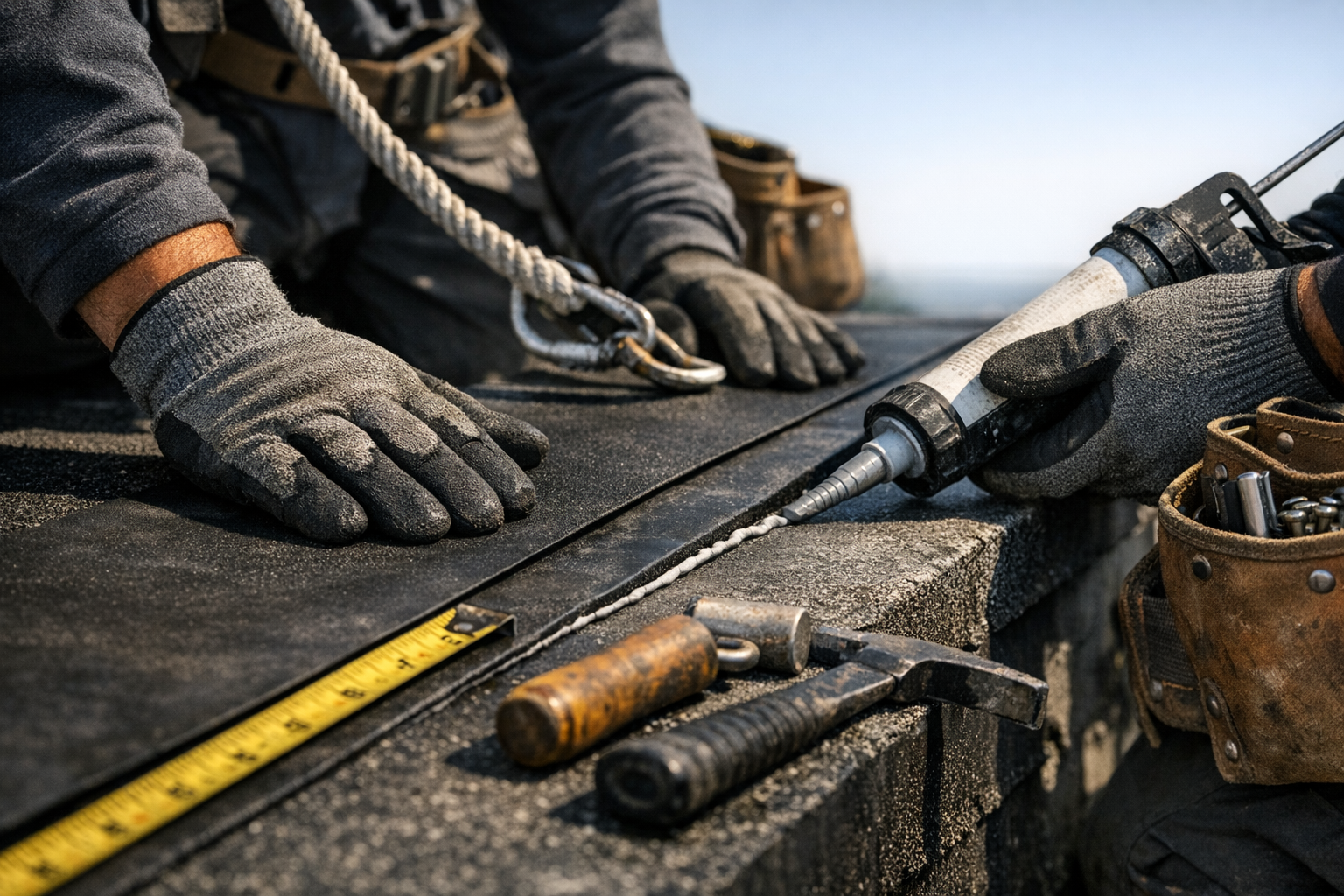
- Resealing exposed fasteners
- Securing loose shingles
- Replacing small sections of damaged flashing
- Cleaning out drainage paths
Handling these minor items immediately prevents service calls later. It also keeps the roof performing consistently between visits.
Recommendations and prioritized action plan
Not every issue can be fixed on the spot. Larger concerns require planning.
After inspection, I provide a prioritized list:
- Immediate concerns
- Short-term repairs within 6 to 12 months
- Long-term planning items
This structured plan helps you budget wisely and avoid reactive decision-making.
Core Inspection Checklist in a Roofing Maintenance Program
Roof surface and shingles
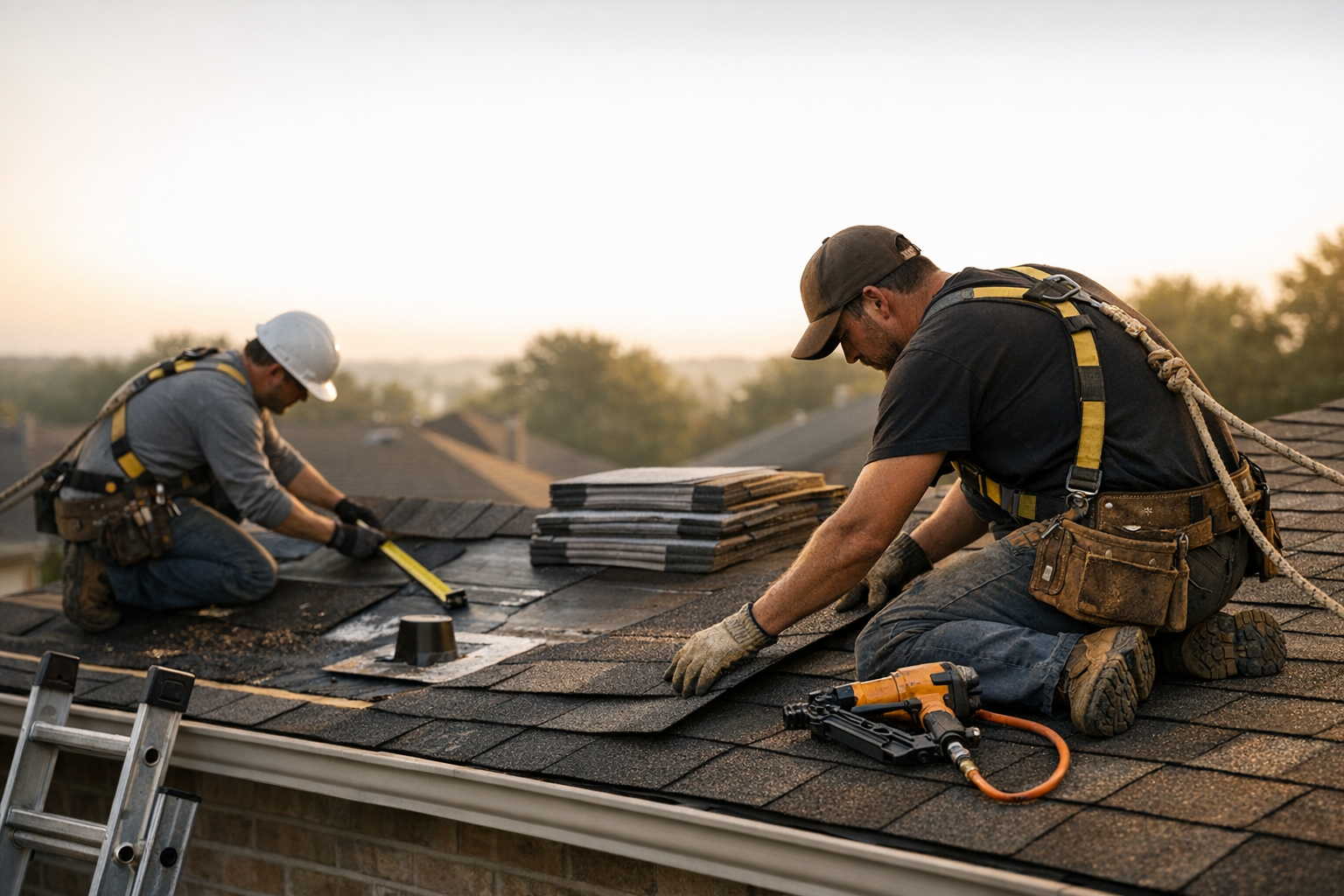
The roof surface is your first line of defense, which is why a seasonal roof maintenance checklist is useful.. During a Roofing Maintenance Program visit, I look for cracked, curled, missing, or loose shingles. These defects often begin at edges or high-wind zones.
Granule loss is another critical indicator. Excessive granule shedding exposes asphalt to UV damage and speeds up aging. Early detection allows targeted repairs rather than widespread replacement.
For example, if one slope shows accelerated wear due to sun exposure, we can monitor it more closely and plan accordingly.
Flashing, penetrations, and roof transitions
Flashing failure is one of the top causes of leaks. Areas around chimneys, skylights, wall intersections, and valleys are high risk.
I check for rust, lifted edges, deteriorated sealant, and missing fasteners. Even a small separation can channel water beneath shingles.
Penetrations such as vent pipes often rely on rubber gaskets that dry and crack over time. Catching these early during a Roofing Maintenance Program prevents interior damage.
Gutters, downspouts, and drainage paths
Water must exit the roof efficiently. Clogs create standing water, which increases weight and moisture exposure.
I look for:
- Debris buildup
- Improper slope
- Loose brackets
- Downspout blockages
Poor drainage can damage fascia boards and even impact foundations. A Roofing Maintenance Program treats drainage as part of the roofing system, not an afterthought.
Attic and interior signs of roof trouble
Exterior inspections tell part of the story. Attic checks reveal hidden leaks.
I look for moisture staining, mold growth, compressed insulation, and ventilation imbalance. Sometimes a minor exterior defect creates noticeable attic condensation.
Using attic inspections within a Roofing Maintenance Program allows early detection before drywall staining appears inside living spaces.
Cleaning & Preventative Care Inside a Roofing Maintenance Program
Moss, algae, and lichen control
Moss and algae grow in shaded, damp environments. North-facing slopes and heavily wooded properties are especially vulnerable.
Moss holds moisture against shingles, lifting edges and exposing underlayment. Algae creates dark streaks and can weaken shingle surfaces over time.
Safe roof cleaning methods use gentle solutions and low-pressure application. Aggressive power washing strips granules and shortens roof life. A Roofing Maintenance Program uses cleaning strategies that preserve materials rather than damage them.
Debris removal
Leaves and branches trap moisture. Organic buildup prevents proper drying after rain.
In wooded areas, debris may need clearing multiple times per year. In open climates, twice annually may be sufficient.
Regular removal reduces rot risk and prevents gutter overflow. Small maintenance steps protect long-term performance.
Tree management and overhanging branches
Branches rubbing against shingles during windstorms remove protective granules. They also pose puncture risks during storms.
Trimming back limbs protects the roof surface and reduces debris accumulation. In some cases, overhanging branches become liability issues if they threaten structural damage.
A Roofing Maintenance Program often includes guidance on when tree trimming becomes necessary for roof protection.
How a Roofing Maintenance Program Extends Roof Life
Slowing down natural weathering
All roofs age. Sunlight, temperature swings, and moisture gradually weaken materials. Maintenance slows this process by reducing standing water, sealing vulnerable points, and correcting minor damage.
Consistent care helps roofing materials reach or exceed their expected lifespan.
Catching small issues early
Small problems rarely stay small. A lifted shingle can become widespread wind damage. A cracked sealant joint can lead to decking rot.
A Roofing Maintenance Program identifies and addresses these minor issues early, reducing structural impact.
Protecting warranties
Manufacturers often recommend periodic inspections. Documented maintenance supports warranty claims and demonstrates responsible ownership.
Without documentation, disputes may arise over whether damage resulted from neglect. Maintenance records reduce that uncertainty.
Increasing resale value
Buyers appreciate documented roof care. Maintenance history demonstrates diligence and reduces perceived risk.
A Roofing Maintenance Program creates a record you can present during resale, strengthening buyer confidence and negotiation position.
Who a Roofing Maintenance Program Is For
Homeowners with asphalt shingle roofs
Even new roofs benefit from baseline inspections. Establishing documentation early helps track aging patterns.
For older asphalt shingle roofs, maintenance becomes even more critical. Early granule loss or sealant failure can be corrected before leaks occur.
Owners of high-value or complex homes
Complex roof lines, steep slopes, and multiple transitions increase risk. More valleys and penetrations mean more potential leak points.
A Roofing Maintenance Program provides structured oversight for these intricate systems.
Landlords, HOAs, and property managers
Managing multiple roofs requires predictability. Maintenance programs help budget planning and risk reduction.
Routine inspections reduce emergency calls from tenants and protect long-term investment value.
Commercial building owners
Flat and low-slope systems such as TPO, EPDM, and metal require specialized care. Ponding water and seam separation are common concerns.
Commercial Roofing Maintenance Programs focus on membrane integrity, drainage performance, and rooftop equipment coordination.
Choosing the Right Roofing Maintenance Program for Your Property
Key questions to ask
Ask what is included in each visit. Clarify response times, documentation standards, and minor repair limits.
A detailed scope prevents misunderstandings later.
What a professional operation looks like
Professional programs prioritize safety, consistent scheduling, and thorough reporting. Clear communication matters as much as technical skill.
You should receive transparent findings, not vague summaries.
Licensing and insurance red flags
Verify proper licensing and insurance coverage. Avoid contractors unwilling to provide documentation.
A Roofing Maintenance Program requires ongoing trust. Credentials matter.
Why cheap inspections can be costly
Low-cost inspections may skip attic checks or detailed documentation. Superficial reviews miss early warning signs.
In roof care, thoroughness protects your investment.
How Often You Really Need Roof Maintenance
General frequency guidelines
Most residential roofs benefit from inspections once or twice per year. Aging roofs may require more frequent visits.
Commercial properties often schedule biannual or quarterly inspections depending on system type.
Climate and design factors
Heavy snow regions require post-winter inspections. Hurricane-prone areas need storm follow-ups. Dense tree cover increases debris clearing frequency.
Roof pitch and complexity also influence scheduling.
Signs you need more frequent checks
Recurring leaks, excessive debris, visible granule loss, or attic moisture indicate increased inspection frequency.
A Roofing Maintenance Program should adapt to your roof’s condition.
DIY vs. Professional Roofing Maintenance Program
Safe tasks from the ground
Homeowners can check for visible shingle displacement, clear ground-level debris, and monitor interior ceilings for stains.
Binoculars and attic visits offer safe observation points.
Tasks for trained professionals
Walking steep slopes, repairing flashing, resealing penetrations, and addressing structural concerns require professional expertise.
Improper repairs often cause more harm than good.
Ladder safety and liability
Falls are a leading cause of home injury. Without proper safety gear and training, roof access carries serious risk.
A Roofing Maintenance Program reduces homeowner exposure to these hazards.
Supporting your program at home
Between visits, monitor for interior changes and report concerns promptly. Quick communication enhances preventative efforts.
Common Roofing Maintenance Mistakes
Walking on the roof unnecessarily
Foot traffic dislodges granules and cracks brittle shingles. Limit roof access to necessary, trained personnel.
Using pressure washers
High pressure strips protective surfaces and voids warranties. Gentle, approved methods preserve material integrity.
Ignoring small stains
Ceiling stains and attic odors often signal early moisture intrusion. Addressing them promptly prevents structural damage.
Assuming no leaks means no problems
Many roofing issues remain hidden until advanced stages. A Roofing Maintenance Program detects what you cannot see from inside.
What a Professional Roofing Maintenance Visit Looks Like Step by Step
Pre-visit
We schedule in advance and confirm access needs. Clear communication ensures efficient service.
On-site
Safety setup comes first. Inspection follows a systematic flow from surface to penetrations to drainage.
Findings are documented in real time.
Post-visit
You receive a report with photos and prioritized recommendations. We review next steps clearly and honestly.
Ongoing documentation
Each visit builds on previous reports. Over time, this record becomes a valuable asset.
Understanding the Costs of a Roofing Maintenance Program
Typical pricing models
Programs may be structured per visit, annually, or through multi-year agreements.
Commercial properties often use contract-based pricing tied to square footage.
What is included
Clarify what minor repairs are covered and what qualifies as additional work.
Transparency prevents billing surprises.
Evaluating quotes
Compare scope, documentation standards, and frequency. The lowest price rarely delivers the most value.
Calculating ROI
Avoided emergency repairs, extended lifespan, and preserved warranties contribute to measurable savings.
Roofing Maintenance Program Features That Add Extra Value
Priority scheduling
Members often receive faster response after storms or urgent concerns.
Discounted repair rates
Bundled services reduce overall cost over time.
Digital records
Online portals and photo logs simplify recordkeeping and resale documentation.
Warranty and insurance support
Documentation assistance strengthens claims and protects coverage.
How a Roofing Maintenance Program Fits Into Whole-Home Care
Coordinating with other exterior systems
Roof, gutters, siding, and windows must work together to manage water effectively.
Moisture management as a system
Proper ventilation, drainage, and flashing create a balanced moisture control strategy.
When to involve other professionals
Insulation issues, HVAC ventilation imbalances, or mold concerns sometimes require coordinated expertise.
When It’s Too Late for Maintenance and Time for Roof Replacement
Signs maintenance is no longer enough
Widespread shingle brittleness, sagging decking, repeated leaks, and extensive granule loss indicate end-of-life conditions.
Maintenance cannot reverse structural deterioration.
How history simplifies replacement
Documented inspections clarify condition and simplify planning for replacement.
Transitioning from program to project
A Roofing Maintenance Program often evolves into a replacement strategy when lifespan limits are reached.
How to Get Started With a Roofing Maintenance Program
Information to gather
Know your roof age, material type, prior repairs, and any known problem areas.
This helps tailor the program effectively.
What to expect from an initial inspection
Expect a comprehensive evaluation, attic review, and documented findings.
Comparing proposals
Look at scope, frequency, reporting detail, and included services side by side.
Turning inspection into long-term protection
A one-time inspection can become the foundation of a Roofing Maintenance Program. With consistent follow-up, your roof shifts from reactive repairs to proactive protection.
Key Takeaways
- A Roofing Maintenance Program is a proactive, scheduled service that inspects, cleans, and documents your roof’s condition, preventing small issues from becoming expensive repairs and extending roof life.
- Routine maintenance is especially critical as roofs age, helping to catch hidden risks early, maintain warranties, control costs, and provide peace of mind through consistent oversight and detailed reporting.
- Typical programs include comprehensive inspections, minor repairs, thorough documentation, and prioritized action plans, treating the roof as a connected system with attention to drainage, ventilation, and surface integrity.
- These programs benefit homeowners, property managers, and commercial building owners by reducing emergency repairs, supporting insurance and warranty claims, and increasing property value with a documented maintenance history.
- Choosing the right Roofing Maintenance Program involves clarifying service scope, verifying professional credentials, and understanding that thorough, regular maintenance protects your investment far more effectively than reactive repairs.
Frequently Asked Questions
1. What is a roofing maintenance program?
A roofing maintenance program is a scheduled service plan for regular roof inspections, cleaning, minor repairs, and documentation. It helps catch problems early, prevents leaks, and extends your roof’s lifespan by proactively addressing issues before they become costly.
2. How is a roofing maintenance program different from a one-time inspection?
Unlike a one-time inspection, a roofing maintenance program provides ongoing care and records, tracking your roof’s condition over time. This approach prevents small issues from becoming major repairs and offers better long-term protection for your home.
3. What’s typically included in a roofing maintenance program?
A standard roofing maintenance program includes visual inspections, detailed reports with photos, minor repairs, gutter cleaning, and prioritized recommendations. It covers all major roof components, including shingles, flashing, penetrations, drainage, and attic checks.
4. Who should consider a roofing maintenance program?
Homeowners with aging roofs, complex roof designs, property managers, and commercial building owners benefit most from a roofing maintenance program. It’s ideal for anyone wanting to prevent leaks, protect warranties, and maximize roof value.
5. How often should you schedule roof maintenance?
Most residential roofs need maintenance once or twice a year. Older roofs or those in harsh climates may require more frequent inspections. Your schedule should be tailored to your roof’s age, design, and local weather conditions.
Protect your home and investment with proactive roofing services designed to catch issues before they become costly problems. Enjoy peace of mind, clear documentation, and long-term savings by letting our experts handle your Roofing Maintenance Program from start to finish. Do not wait for leaks or surprises— schedule a consultation today and experience the confidence that comes with professional, reliable roof care.