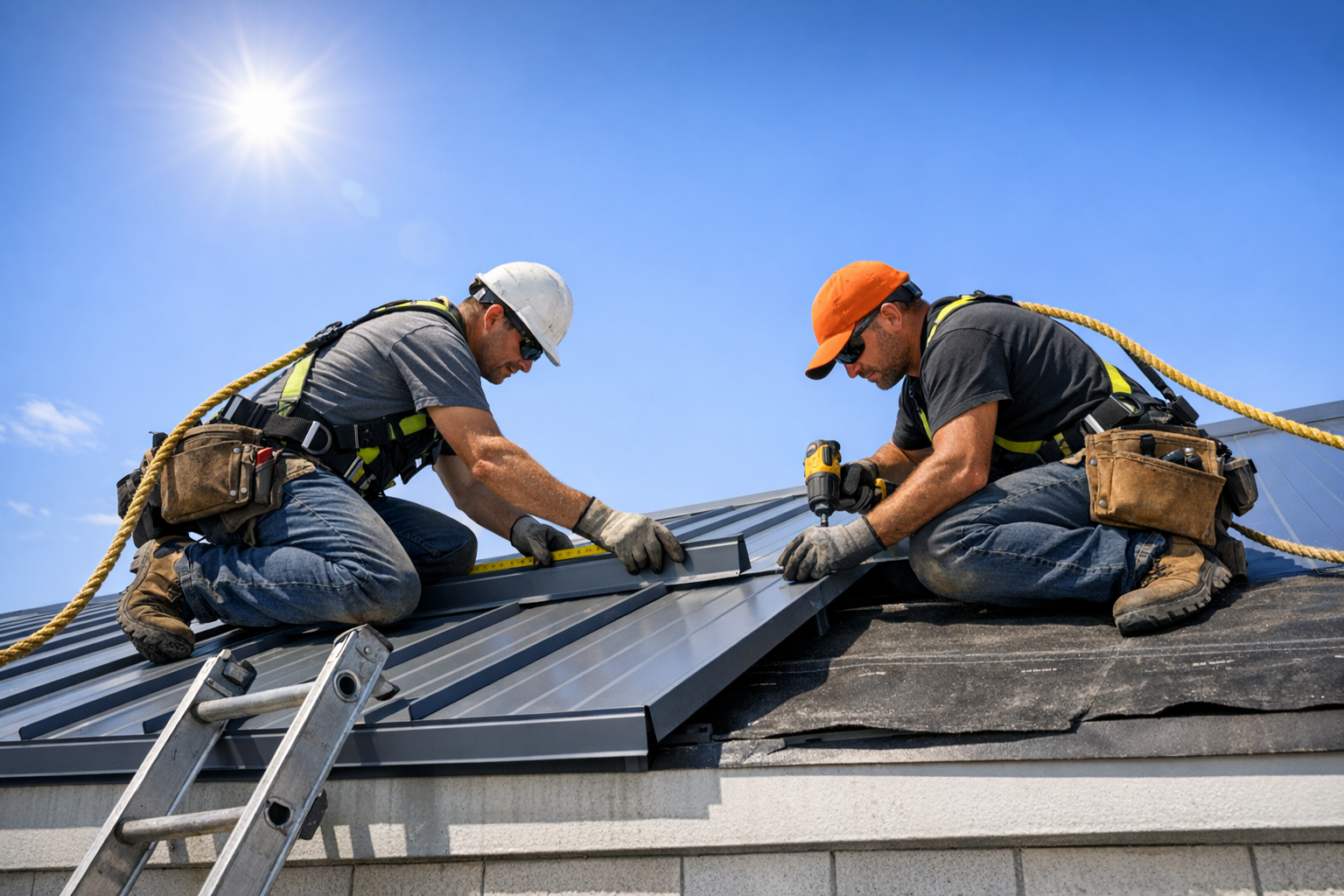

Standing Seam Metal: When It’s The Best Choice For Your Property
Thinking about a standing seam metal roof but not sure if it’s really worth the higher upfront cost, or even the right fit for your property at all? This article explains exactly what standing seam metal roofing is, how it compares to shingles and other systems, its core benefits and drawbacks, and gives you a clear checklist and next steps so you can confidently decide if it’s the best long-term roofing investment for your home or building.
What Is Standing Seam Metal Roofing?
Clear definition of standing seam metal (vs. other metal roofing profiles)
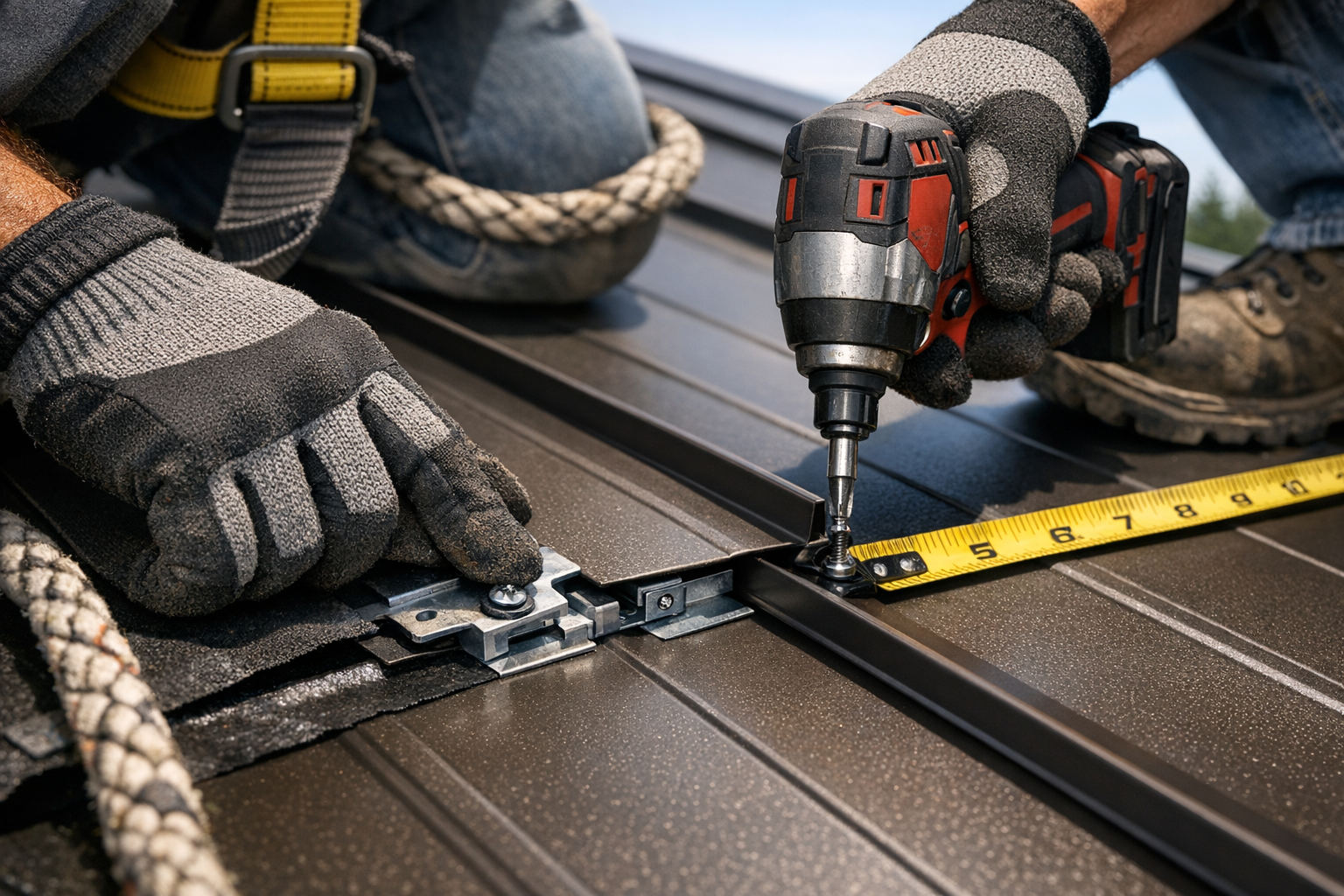
When I explain standing seam metal to a property owner for the first time, I keep it simple. Standing seam metal is a concealed-fastener roofing system made of long vertical panels that lock together at raised seams. Those seams stand above the flat area of the panel, which is where the name comes from.
The key difference between standing seam metal and other metal roofing profiles is how it is fastened. In exposed-fastener systems, screws go directly through the face of the panel. With standing seam metal roofing, the fasteners are hidden beneath the seams. That single design difference changes performance, longevity, and maintenance needs in a big way.
Other profiles like corrugated or R-panel are often used on barns, warehouses, and budget-conscious projects. Standing seam metal is typically chosen for higher-end residential homes and commercial buildings where durability, appearance, and long-term value matter more than the lowest upfront cost.
Key components: panels, seams, clips, fasteners, underlayment, and substrate
To understand how standing seam metal works, it helps to know the parts involved:
- Panels: Long metal sheets that run vertically from ridge to eave.
- Seams: Raised vertical legs where adjacent panels lock together.
- Clips: Hidden metal brackets that secure panels to the roof deck.
- Fasteners: Screws that attach clips to the structure, not the panel face.
- Underlayment: A protective layer between metal and decking.
- Substrate: The roof deck or structural framing beneath everything.
In most architectural standing seam metal systems, clips allow the panels to expand and contract with temperature changes. That movement is critical for performance. Without it, the metal would stress around fasteners and potentially fail over time.
I always remind clients that a standing seam metal roof is not just metal sheets. It is a system. Every component must work together for the roof to perform as intended.
How standing seam metal roofing works to protect your property
Standing seam metal roofing protects your property in three main ways: water shedding, wind resistance, and structural integrity.
First, the raised seams keep water out. Because fasteners are concealed and elevated above the drainage plane, there are fewer direct entry points for moisture. On steep-slope roofs, water flows quickly off the panels. On lower slopes, mechanically seamed systems create tight, interlocked joints that resist wind-driven rain.
Second, the interlocking seams provide strong resistance to uplift in high winds. When properly engineered and installed, standing seam metal can meet strict wind uplift ratings required in coastal and hurricane-prone regions.
Finally, the system distributes loads across clips and panels rather than relying on exposed screws. Over decades, this reduces wear at fastening points and lowers the chance of leaks. That is one reason standing seam metal is often associated with long service life.
Standing Seam Metal vs. Other Roofing Types: The Big Picture
Standing seam vs. exposed-fastener metal roofs (R-panel, corrugated, etc.)
The biggest difference comes down to fasteners and long-term performance.
Exposed-fastener roofs use screws with rubber washers driven through the panel surface. Over time, those washers can dry out, crack, or loosen. In climates with temperature swings, the constant expansion and contraction can cause screws to back out slightly.
Standing seam metal avoids that issue by hiding fasteners beneath the seams. Clips hold the panels in place, and the seams snap or crimp over them. This reduces the number of potential leak points.
Exposed-fastener systems cost less upfront and install faster. For agricultural buildings or tight budgets, they make sense. For long-term residential or commercial properties where appearance and longevity matter, I usually recommend standing seam metal.
Standing seam vs. asphalt shingles: durability, cost, and curb appeal
Asphalt shingles are common because they are affordable and familiar. But they have a shorter lifespan. In many climates, shingles last 15 to 30 years depending on quality and conditions.
Standing seam metal roofing can last 40 to 70 years or more with proper installation and maintenance. That longevity shifts the cost conversation from upfront price to lifetime value.
Curb appeal is another factor. Shingles provide a traditional look. Standing seam metal offers clean vertical lines and a modern aesthetic. For homeowners investing in architectural upgrades, the visual impact alone can justify the choice.
Standing seam vs. tile, slate, and single-ply membranes on low-slope roofs
Tile and slate are durable and beautiful but heavy. They require structural support and can be costly to repair. Standing seam metal offers similar longevity with significantly less weight.
On low-slope commercial roofs, single-ply membranes are common. They work well but can be vulnerable to punctures and seam failures over time. Structural standing seam metal systems can span purlins and perform effectively on lower slopes when properly engineered.
The right choice depends on structure, slope, and budget. I never recommend standing seam metal simply because it is premium. It has to fit the building.
When standing seam metal is overkill and when cheaper options make sense
There are times when standing seam metal is more than you need.
If you plan to sell within a few years and your current shingle roof is near the end of its life, a quality architectural shingle may be more practical. If the structure is temporary or purely functional, exposed-fastener panels might be sufficient.
Standing seam metal is best viewed as a long-term investment. If the property does not require extended service life, enhanced wind performance, or a distinctive aesthetic, a simpler system can make financial sense.
Core Benefits of Standing Seam Metal for Property Owners
Long-term durability and weather resistance (wind, hail, heavy snow, UV)
Durability is one of the main reasons people choose standing seam metal. Properly installed systems resist:
- High winds
- Heavy snow loads
- Hail impacts
- Prolonged UV exposure
Because the panels are continuous from ridge to eave, there are fewer horizontal seams. That reduces vulnerability in storms. In snowy climates, the smooth surface helps snow slide off rather than accumulate excessively.
I have seen standing seam metal roofs perform exceptionally well after severe weather events that damaged neighboring asphalt systems.
Energy efficiency and cool roof options (reflective coatings, insulation synergies)
Standing seam metal can improve energy efficiency, especially when paired with reflective finishes and proper insulation.
Many panels are coated with high-performance paint systems that reflect solar radiation. Lighter colors in particular can reduce heat gain. When combined with quality underlayment and attic insulation, the result is lower cooling demand in hot months.
Energy efficiency is not automatic. It depends on color choice, ventilation, and insulation design. But standing seam metal gives you strong options for building a cool roof system.
Low maintenance and fewer leak points vs. exposed-fastener systems
Maintenance is often where standing seam metal shines.
Because fasteners are concealed, you avoid the regular screw tightening and washer replacement that exposed-fastener roofs may require. Routine maintenance usually involves:
- Inspecting seams and flashings
- Clearing debris
- Checking sealants at penetrations
This lower maintenance profile makes standing seam metal appealing for property owners who want fewer surprises over time.
Aesthetic flexibility: profiles, colors, finishes, and modern design appeal
Standing seam metal is not one-size-fits-all. You can choose:
- Different panel widths
- Various seam heights
- Matte or gloss finishes
- A wide color palette
The vertical lines create a clean, contemporary look. On modern homes, the effect can be dramatic. On traditional designs, subtle color choices can keep the aesthetic balanced.
I often help clients match roof color with siding, trim, and stone elements to create a cohesive design.
Sustainability benefits: recyclability, longer life cycle, and reduced waste
Most standing seam metal panels are made from recyclable materials and are themselves recyclable at end of life. Compared to asphalt shingles that may require multiple replacements over decades, a single standing seam metal installation can reduce landfill waste.
Longer life cycle means fewer tear-offs and less material consumption. For property owners thinking about environmental impact, that matters.
Key Drawbacks and Limitations to Consider
Higher upfront cost: what drives the price of standing seam metal
Standing seam metal costs more upfront than shingles or exposed-fastener panels. The price reflects:
- Higher material quality
- More complex fabrication
- Skilled labor requirements
- Specialized tools and equipment
Long panels often need on-site roll forming or precise ordering. Installation takes longer and demands trained crews.
I always encourage clients to look at total cost of ownership, not just the initial invoice.
Noise, expansion, and oil-canning: what they are and how to manage them
Metal roofs can be noisy in heavy rain if not properly insulated. Solid decking and quality underlayment usually minimize this issue.
Thermal expansion is another factor. Metal expands and contracts with temperature changes. Standing seam systems manage this with clips that allow movement.
Oil-canning refers to visible waviness in flat panel areas. It is often cosmetic and influenced by panel width, substrate flatness, and installation technique. Choosing the right panel profile and experienced installers helps reduce it.
Steeper learning curve and risk with inexperienced installers
Standing seam metal is not forgiving of mistakes. Improper seaming, poor flashing details, or incorrect clip spacing can compromise performance.
That is why experience matters. Not all metal roofers specialize in standing seam systems. I have seen projects where improper installation led to leaks that were preventable.
Situations where standing seam metal is not the best fit for your property
Standing seam metal may not be ideal if:
- The roof slope is extremely low and not suited for the chosen system.
- The structure cannot support required attachment methods.
- Budget constraints outweigh long-term benefits.
In those cases, a different roofing system might align better with your goals.
When Standing Seam Metal Is the Best Choice for Your Property
Ideal property profiles: modern homes, high-end residential, and commercial buildings
Standing seam metal works exceptionally well on:
- Contemporary residential designs
- Custom high-end homes
- Offices and mixed-use buildings
- Properties seeking architectural distinction
The clean lines enhance modern architecture. On commercial properties, durability and low maintenance make it attractive for long-term asset management.
Climate and location factors: coastal, high-wind, snow load, and wildfire-prone areas
In coastal regions, corrosion resistance is critical. In high-wind zones, uplift ratings matter. In snowy climates, snow shedding is a benefit. In wildfire-prone areas, metal roofing offers strong fire resistance.
Standing seam metal adapts well to these demanding environments when properly specified.
Roof pitch and geometry: when standing seam outperforms other systems
Standing seam metal performs best on slopes typically 3:12 and above for architectural systems, though structural systems can go lower.
Simple roof geometries maximize efficiency and minimize waste. Complex roofs with many penetrations require careful detailing but can still benefit from the system.
Long-term ownership plans: how long you will own the property and ROI timelines
If you plan to own your property for decades, standing seam metal often makes financial sense. The longer you stay, the more you spread out the upfront cost.
For short-term ownership, the return depends on local market perception and resale value.
Is Standing Seam Metal the Right Choice for Your Property? Next Steps
Quick self-assessment checklist for homeowners and property managers
Ask yourself:
- Do I plan to own this property long-term?
- Is durability a top priority?
- Am I in a high-wind, coastal, or snowy region?
- Do I value modern curb appeal?
- Can my budget support a higher upfront investment?
If you answered yes to most of these, standing seam metal may be a strong fit.
When to get a professional roof evaluation and what to expect
If you are seriously considering standing seam metal roofing, a professional evaluation is the next step. I typically assess:
- Roof slope and structure
- Decking condition
- Ventilation design
- Local code requirements
You should expect a detailed discussion, not just a quick price quote.
What information to gather before requesting a standing seam quote
Before requesting pricing, gather:
- Approximate roof age
- Any known structural issues
- Photos or plans if available
- Your goals for aesthetics and longevity
Clear information leads to more accurate proposals.
How our team can help you design, price, and plan your standing seam metal roof
My role is to guide you through design choices, material selection, and budgeting with transparency. We focus exclusively on solutions that match your structure, climate, and long-term goals.
Standing seam metal is a significant investment. When it is the right choice, it can protect and elevate your property for decades. The key is thoughtful planning, proper specification, and skilled installation from the start.
Key Takeaways
- Standing seam metal roofing is a premium, concealed-fastener system that offers superior durability, weather resistance, and a modern aesthetic compared to exposed-fastener metal roofs or asphalt shingles.
- This roofing type excels in demanding climates—such as coastal, high-wind, snowy, or wildfire-prone regions—by providing excellent wind uplift ratings, snow shedding, and fire resistance when properly installed.
- While standing seam metal roofs require a higher upfront investment and skilled installation, they deliver long-term value through low maintenance, energy efficiency, sustainability, and life spans of 40–70 years or more.
- It is best suited for long-term property owners, modern homes, high-end residences, and commercial buildings where durability, curb appeal, and ROI outweigh initial cost considerations.
- Before choosing standing seam metal roofing, property owners should assess their long-term goals, budget, climate needs, and consult with experienced professionals for tailored design and installation guidance.
Frequently Asked Questions
1. What is standing seam metal roofing?
Standing seam metal roofing is a system of vertical metal panels that connect with raised, concealed seams. Unlike exposed-fastener roofs, its fasteners are hidden, providing a modern look and enhanced durability for residential and commercial properties.
2. How does standing seam metal roofing compare to asphalt shingles?
Standing seam metal roofs last much longer than asphalt shingles—typically 40–70 years versus 15–30 years. While the initial cost is higher, metal offers better durability, weather resistance, and a contemporary aesthetic that can boost curb appeal.
3. What are the main benefits of standing seam metal roofing?
Key benefits include long-term durability, strong weather resistance, low maintenance, energy efficiency with cool roof options, and a wide variety of colors and styles to match different property designs.
4. When is standing seam metal roofing the best choice for my property?
It’s ideal for property owners seeking long-term value, durability, and modern design—especially in high-wind, coastal, snowy, or wildfire-prone regions, or for those planning to own their property for many years.
5. Are there any drawbacks to standing seam metal roofs?
Drawbacks include higher upfront costs, potential noise during heavy rain if not insulated well, a need for skilled installation, and cosmetic issues like oil-canning. It may not be the best fit for every budget or roof type.
If you are ready to invest in long-lasting protection and curb appeal with expert metal roofing services, now is the perfect time to take the next step. Our team specializes in designing and installing standing seam metal roofs tailored to your property’s needs. Let us help you maximize durability, energy efficiency, and value— schedule a consultation today and discover how a professionally installed metal roof can elevate your property for decades to come.